
North Valley Food Bank sees growing need
Whitefish Pilot | Whitefish Pilot | UPDATED 2 months, 3 weeks AGO
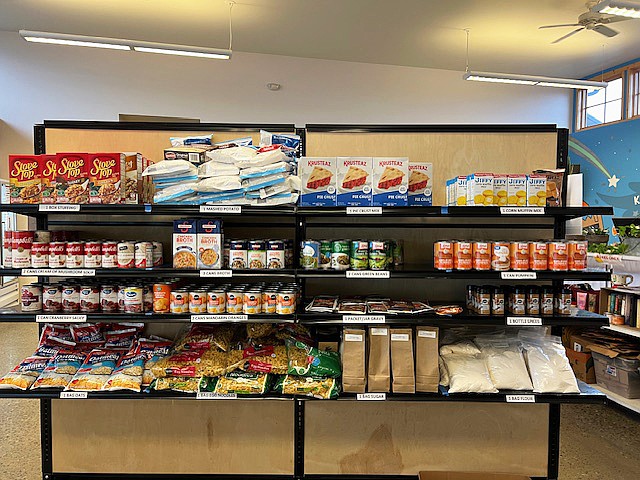
Pantry items at North Valley Food Bank's free grocery store. (Photo provided)
North Valley Food Bank is now serving more than 1,500 neighbors each week, a clear sign that food insecurity is growing across Northwest Montana as household budgets stretch thinner, and public food assistance becomes harder for some Montanans to access.
The increase comes as food banks across Montana face higher demand, rising food costs, and new pressure from changes to the Supplemental Nutrition Assistance Program and other public benefits.
Since the implementation of House Resolution 1, Montana has seen a 9% decrease in SNAP participation based on data from the Center for Budget and Policy Priorities. This is equivalent to more than 7,000 Montanans, and more are at risk of losing some or all of their benefits in the months to come.
“When a neighbor loses SNAP benefits, their need for food assistance does not disappear,” said Sophie Albert, executive director of the food bank. “It shows up somewhere else: in skipped meals, in having to make impossible choices between paying for food and rent, and with more of our neighbors visiting local food banks. We are here to support our communities with dignity and care, but we cannot do it alone.”
North Valley Food Bank provides low barrier access to fresh, nourishing food through its Free Grocery Store, mobile pantries, local food rescue, farm partnerships and ready-to-heat meals. There are no eligibility requirements to access services.
As more families seek support, the cost of keeping shelves stocked is also rising.
Over the last year, pantry visits increased from 23,700 to 28,991, while food expenses alone rose from $392,640.81 to $583,830.42.
The price of meat has been especially challenging. Last fiscal year, the food bank purchased more than 53,000 pounds of meat, compared to just under 21,000 pounds the year before, while the average cost per pound increased from $2.40 to $3.22.
The food bank helps bridge the gap between tight budgets and full plates for many households. But rising need and rising food costs create a snowball effect. When public benefits are reduced or harder to access and food is more expensive, families turn to food access programs more often. At the same time, food banks have to purchase more food at higher prices.
“This is a community issue,” Albert said. “The neighbors coming through our doors are working families, seniors, veterans, people with disabilities, and households doing their best to make ends meet. Food security is a vital component for our community’s health, and right now we all have an opportunity to make sure nutritious food is accessible for all of our neighbors.”
Community members can support North Valley Food Bank and other local food banks during the Great Fish Community Challenge, beginning August 11, by making a gift through the Challenge, volunteering, or learning more at northvalleyfoodbank.org.