
How flight training can lead to long-term career stability
Lettecha Johnson | Shoshone News-Press | UPDATED 1 month AGO
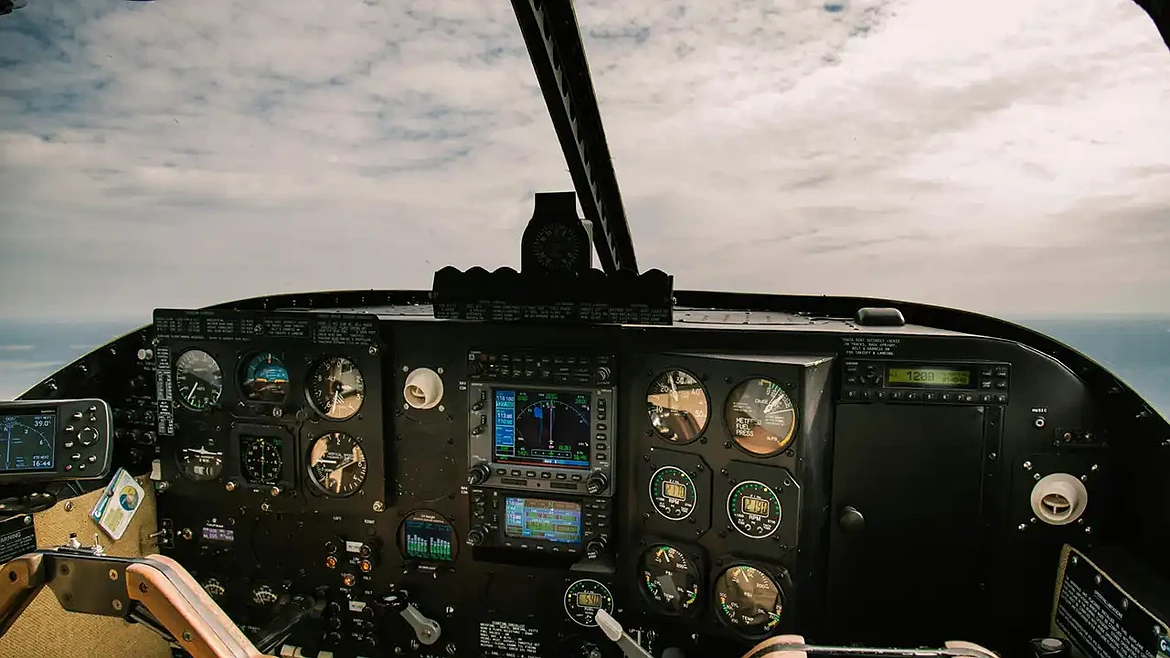
Passing flight training can be the first step to enjoying a stable, high-demand career in an industry preparing for the upcoming mandatory retirements of existing pilots and projected hiring of thousands of new ones over the next 20 years. There are different entry pathways from flight schools to specific airline programs. Travel the world while collecting a six-figure salary with other benefits.
U.S.News Careers lists pilots as the #1 Best Social Services job and #10 of the 100 Best Jobs overall. It's no surprise, as it's an exciting, high-paying job that doesn't require a degree beyond your bachelor's. Globetrot without paying additional money.
How Long Does Flight Training Usually Take?
Your timeline to certification depends on the type of flight training you tend to stop at. A private pilot license (PPL) takes three months in an accelerated full-time program, but up to six months part-time.
If you plan to become a commercial pilot, you can expect 9 to 12 months of full-time training to reach your required 250 flight hours. From zero experience to mandatory 1500 flight hours, you can become an airline transport pilot.
The timing of your training can also factor in completion rate. Daily immersion at accelerated academies speeds things up, but weather conditions such as snow and frequent storms can delay your flight training.
What Are Pilot Career Opportunities?
Airline industry careers span major airlines to the private sector. Post-training employment options often start with a job in a regional line, which can be a stepping stone to a major carrier. Regional options demand lower total flight hours.
Fly cargo for companies like FedEx and other delivery services. Work in the private sector as a corporate or private charter pilot. New pilots can continue to build hours toward their Airline Transport Pilot (ATP) certificate by working as an instructor.
Why Is This an In-Demand Field?
Aviation job security is driven by the upcoming gap expected from the mandatory retirement of several pilots who'll be 65 by 2030. The industry allows you to travel the world regularly, from a vibrant American city to a tropical paradise in another country.
This career provides an opportunity to build a nest egg since it comes with a high salary and benefits; review investment management services that can help it grow.
To fill this need, some airlines are also offering better schedules and signing bonuses for those who do flight training. American pilots working for major airlines often average over $200,000 a year, according to the Bureau of Labor Statistics.
Even though technology has expanded across fields, including aviation, which now has autopilot systems, human oversight is required. That means trained pilots are always essential for travel and related industries.
Reach for the Sky for Your Next Career
After you complete flight training, soar into a dynamic career that has high earning potential and security. Enjoy the world regularly as you fly above the clouds.
Choose different career options, from private jets to commercial airlines, as you build financial stability. The key to long-term pilot success is staying calm, focused, and continuously learning.
Learn more about airlines and related careers from other articles on our website.
This article was prepared by an independent contributor which helps us continue delivering quality content to our audiences.