
Innovative lifting technologies are transforming rigging safety
Nicole Melchionda | Daily Inter-Lake | UPDATED 2 weeks, 2 days AGO
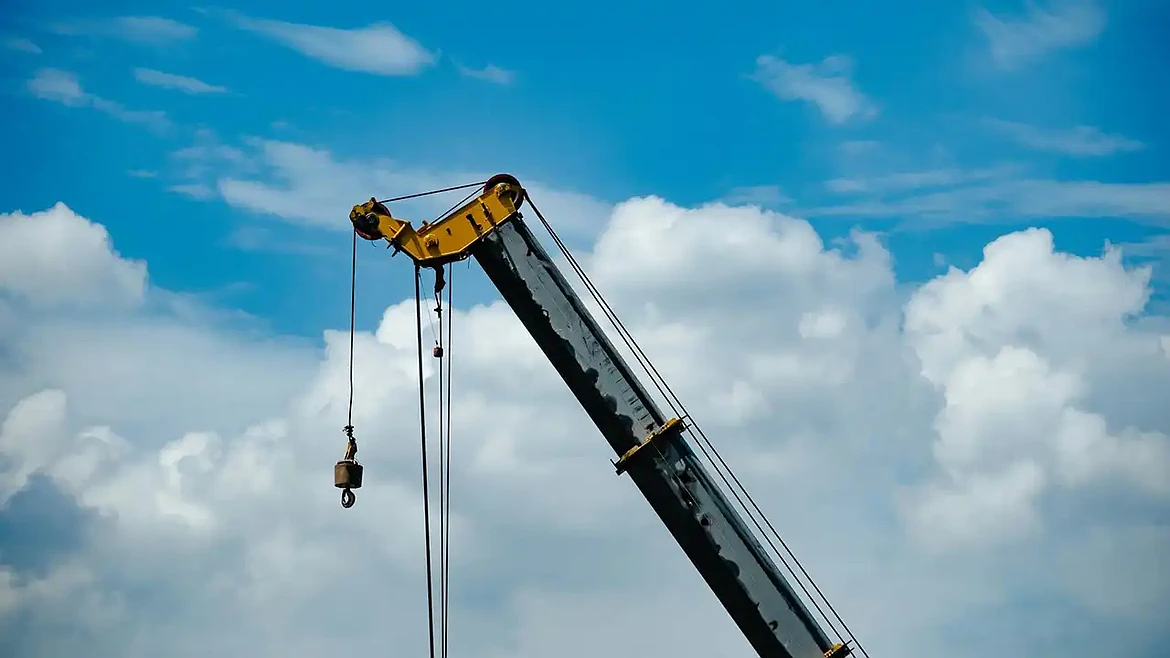
Innovative lifting technologies have gone a long way toward boosting rigging safety through fine-tuned load control, reduced manual handling, and far greater precision in lifting tasks. Modern equipment also leads to faster operations and better compliance with safety standards, which means fewer workplace injuries across the board.
There's no denying that every lifting operation involves some degree of risk, whether it takes place on a construction site, inside a warehouse, or at a manufacturing facility. Advances in equipment design have made it easier for organizations to manage and minimize those risks while increasing productivity. Modern lifting technology is synonymous with stronger materials, improved engineering, and other benefits.
What Are the Latest Innovations in Rigging Safety?
Rigging safety has changed quite a bit over the past decade, all thanks to cutting-edge technology and savvier equipment design. Traditional methods still have their place, of course, but today's lifting systems come with far greater accuracy and reliability than ever before.
One of the biggest improvements is the ability to control loads more with a higher degree of precision. The following help operators move heavy materials with the utmost confidence:
- Hydraulic equipment
- Electronic monitoring
- Ergonomic controls
Better load stability means less swinging, shifting, and other kinds of unexpected movement that could put workers at risk.
Numerous modern systems also include safety features that tell operators when loads are reaching capacity or when equipment needs vital maintenance.
Preventive monitoring helps pinpoint problems well before they become dangerous. That way, you'll deal with fewer equipment failures and sudden downtime.
Flexibility has also risen to the top of the priority list. A considerable number of companies now rely on a portable lift for projects that require equipment to move between different locations. Portable equipment can even be deployed quickly, allowing crews to perform lifting tasks safely without having to transport large machinery to every job site.
The following stretch the life of equipment while maintaining dependable performance under demanding conditions:
- Stronger alloys
- Lightweight components
- Corrosion-resistant finishes
Don't underestimate the role of improved materials.
How Exactly Do Modern Lifting Technologies Improve Workplace Safety?
Modern lifting technology is the latest step in reducing physical strain and increasing control over heavy loads. It even shrinks opportunities for human error.
Manual lifting is risky and can often cause workplace injuries. Mechanical assistance makes it easier for workers to move heavy equipment with much less physical effort, reducing the risk of the following:
- Strains
- Sprains
- Repetitive stress injuries
Fine-tuned ergonomics also make it possible for employees to maintain safer working positions throughout lifting operations.
Advanced hydraulic systems are the key to smoother lifting and lowering movements. Controlled motion prevents sudden shifts or course corrections that could damage equipment or even create hazardous situations for one's fellow workers. Refined precision becomes especially valuable when working in confined spaces or around pricey machinery.
Many organizations also benefit from equipment designed with field applications in mind. For example, the field lift pro lifting system offers mobility and dependable lifting performance that can support safe operations in environments where regular fixed equipment proves impractical. Choosing equipment that actually matches the demands of each job maintains both safety and productivity.
Technology also contributes to more efficient loading during day-to-day operations. The following reduce delays while allowing operators to uphold safety procedures:
- Faster positioning
- Improved stability
- Simplified controls
Better efficiency shouldn't mean that it's safe to rush through tasks, however. Instead, workers spend less time correcting positioning errors or making repeated adjustments.
Training remains a necessary staple of workplace safety. Even the most advanced equipment performs better when operators understand everything from proper lifting techniques and inspection procedures to load limitations. Organizations that invest in quality equipment and ongoing training often see fewer incidents and more consistent results.
Which Industries Benefit Most From Advanced Lifting Equipment?
Just about every industry that handles heavy materials can benefit from modern lifting technology. Construction companies, for instance, rely on specialized equipment to move building materials around active job sites. Compact designs allow crews to operate in areas where larger equipment may not fit.
Utility companies regularly work in remote locations where mobility matters. A portable hydraulic lift provides them with flexibility for maintenance and repair work without the need for large permanent lifting equipment.
Frequently Asked Questions
How Often Should One Inspect Rigging Equipment?
Rigging equipment should receive at least a thorough visual inspection before each use. This can help pinpoint signs of wear, damage, or corrosion that could make the equipment dangerous to operate.
Scheduled inspections should also follow manufacturer recommendations and applicable workplace safety regulations. Don't forget that routine maintenance goes a long way toward uncovering potential issues before they escalate into serious safety hazards.
What Training Is Necessary to Operate Lifting Equipment?
The exact type and scope of training depends on the kind of equipment you want to use and your local workplace regulations. Operators should take the time to fully understand the following before using any lifting device:
- Load limits
- Inspection procedures
- Safe lifting techniques
- Emergency protocols
Ongoing refresher training is far from a waste of time. On the contrary, it helps reinforce safe habits and keeps workers up to date with any technology that has come out recently.
How Can Businesses Choose the Perfect Lifting Equipment?
While needs and other variables can fluctuate, you can narrow down your equipment options by evaluating the weight, size, and shape of the loads being handled.
Businesses should consider the following as well:
- Work environment
- Available space
- Lifting height
- Mobility needs
- Frequency of use
Finding equipment designed for specific applications results in both safety and operational efficiency.
Lifting Technologies Make the Workplace Safer and More Efficient
Without lifting technologies, businesses can end up putting their employees, as well as their bottom line, at risk. When you invest in the latest tech and lifting solutions, you're also investing in your future, so that everyone can enjoy a higher level of safety and productivity.
Our readers come to us for quality news coverage across everything from business and sports to entertainment and local happenings. Since we post content as soon as stories are made available, it helps to subscribe. That way, you can stay informed on everything that matters.
This article was prepared by an independent contributor which helps us continue delivering quality content to our audiences.