
OPINION: Getting it right — overcoming active ignorance
BECKY FUNK/The Idaho Way | Coeur d'Alene Press | UPDATED 2 weeks AGO
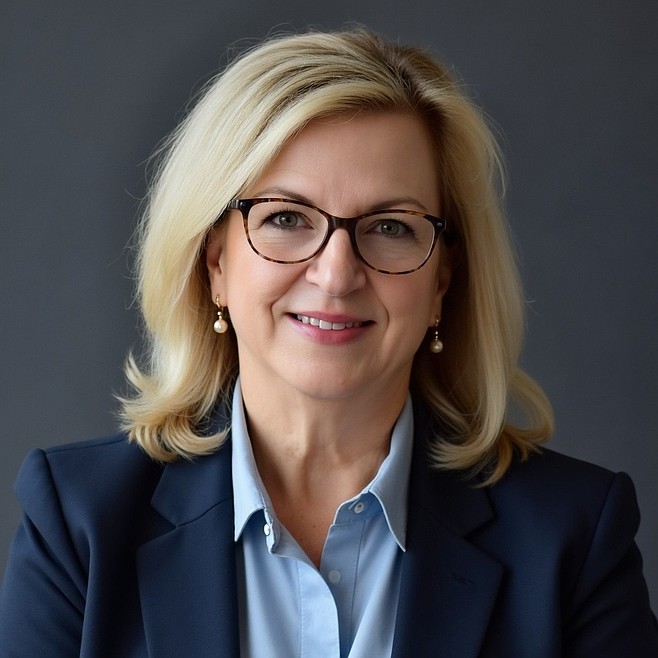
Becky Funk
One of the most enduring observations I’ve encountered wasn’t written by a politician. It came from German writer Johann Wolfgang von Goethe.
“There is nothing more terrible than active ignorance.”
The older I get, the more I think Goethe put his finger on one of democracy’s greatest vulnerabilities. He didn’t say ignorance was terrible. No one starts out an expert on anything. That’s why we ask questions, seek advice, and continue learning throughout our lives.
The danger begins when our desire to be right becomes greater than our desire to know what is true. Algorithms surround us with voices that echo our own, while public debate increasingly rewards powerful assertion over careful thought. Before long, we’re jumping on the bandwagon, defending and acting on positions we’ve never taken the time to examine.
The temptation isn’t limited to social media. Institutions of every kind can become more interested in defending a position than testing it by cherry picking the evidence that confirms a narrative instead of weighing the totality of the facts. Intellectual honesty requires letting the evidence shape conclusions, not allowing our conclusions to shape the evidence.
In government, the consequences of active ignorance extend far beyond winning or losing an argument. Policies are built on assumptions, predictions, and human judgment. When leaders care more about defending their positions than testing them, bad ideas become bad policy and public trust erodes.
Secure people aren’t threatened by another point of view or when presented with new evidence. They can say, “I hadn’t considered that,” or “I may have been wrong,” without feeling defeated. In fact, the people most secure in what they know are often the quickest to admit what they don’t know. That’s true whether we’re discussing immigration, taxes, education, foreign policy, or the latest controversy dominating the news cycle.
Intellectual humility isn’t indecision and doesn’t mean every opinion has equal merit or that convictions should constantly shift with the political winds. It’s not thinking less of our convictions but being committed to truth. Even deeply held beliefs benefit from honest examination. There may be facts we haven’t considered or arguments we haven’t fully understood.
The outcome of intellectual humility produces stronger convictions because beliefs that survive honest scrutiny are sturdier and more reliable than ones we picked up from our preferred news source or influencer. It’s easy to outsource our thinking to people we already agree with and to gravitate toward information that confirms what we already think and tells us we’re right. But
when we stop testing our ideas against thoughtful disagreement, we stop learning and merely reinforce what we already believe.
I’ve noticed something else over the years. The wisest people I know ask questions. They listen more than they speak and change their minds when the evidence justifies it. And they’re secure enough to admit when they were wrong.
Active ignorance doesn’t belong to one political party or ideology. It belongs to human nature. Every one of us, including the person writing these words, is susceptible to mistaking our opinions for truth and our certainty for wisdom. That’s why the humility to keep learning is essential to self-government. As a free people, we don’t have to agree on every issue. We simply need to care more about finding the truth than proving ourselves right. Truth has nothing to fear from honest inquiry. Our opinions often do. In the end, the measure of a free people is not how confidently we defend our conclusions, but how faithfully we pursue the truth.
• • •
Becky Funk is a member of North Idaho Republicans, First Vice President of the Idaho Federation of Republican Women, and former Legislative District 4 Republican Chair.