
Local riot
D.F. Oliveria / Huckleberries | Coeur d'Alene Press | UPDATED 4 weeks AGO
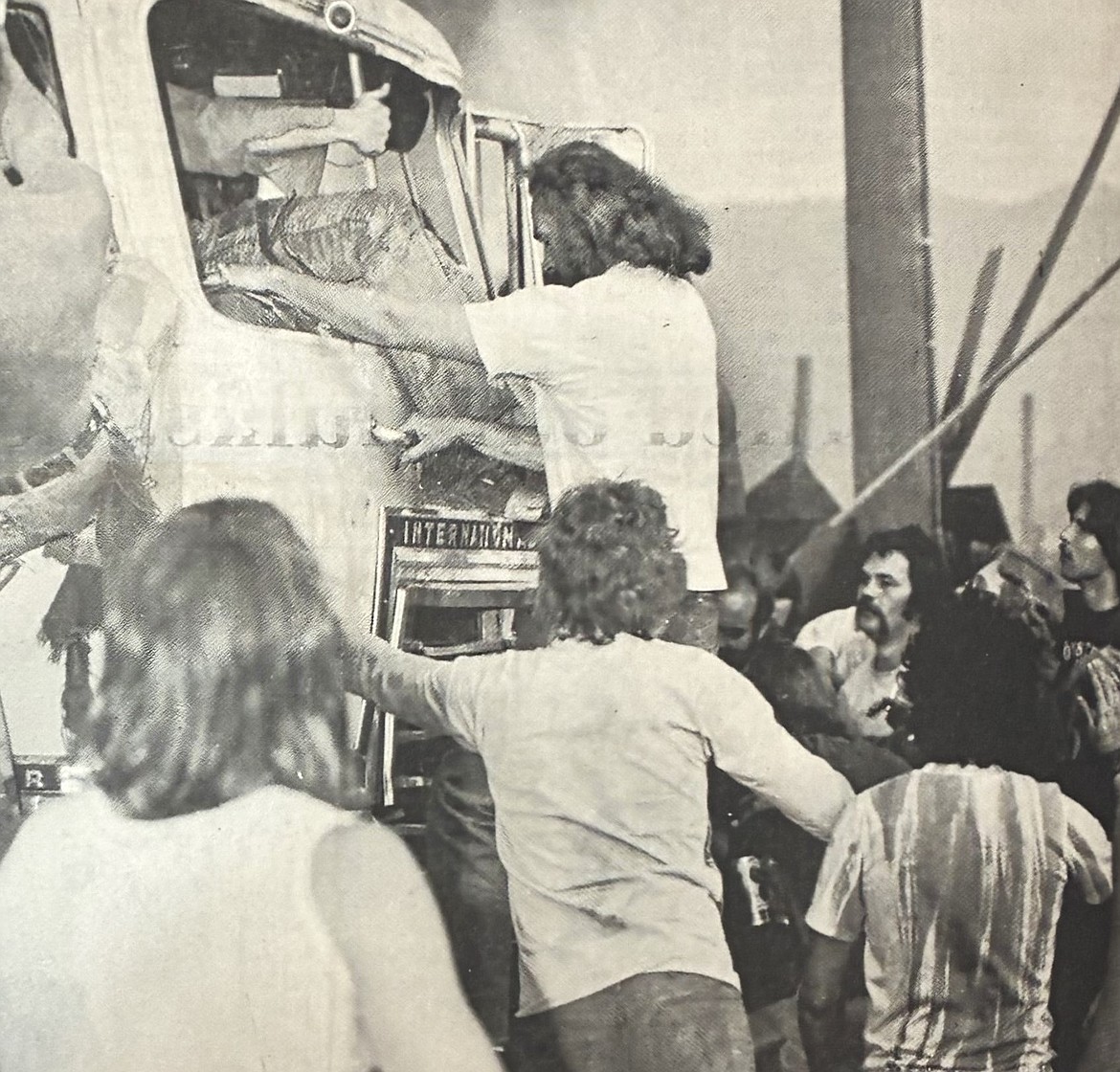
A rockfest mob batters a semi before torching it in 1976.
Coeur d'Alene Press Archive
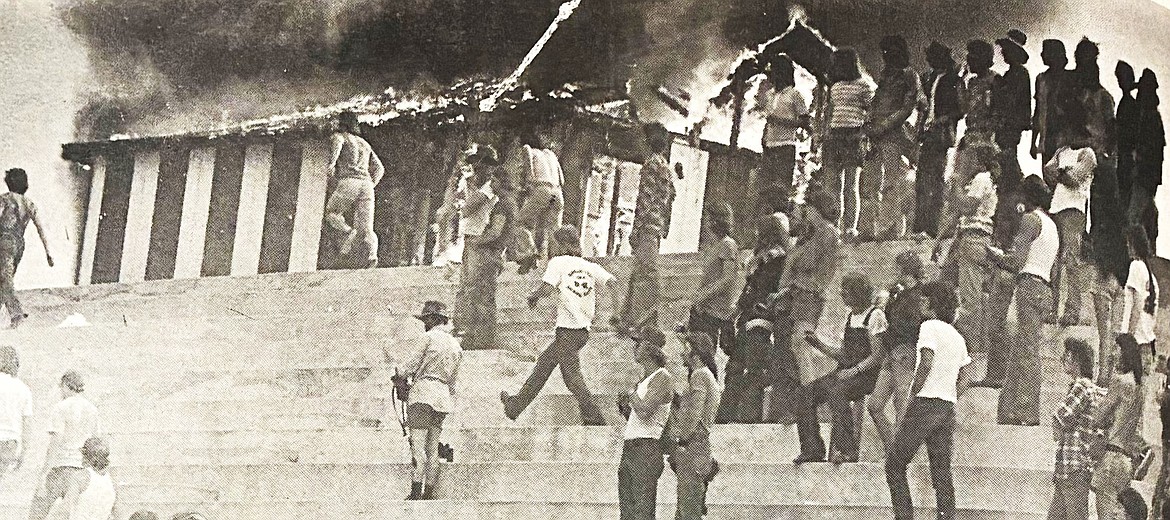
A concession stand burns during the 1976 rockfest rampage.
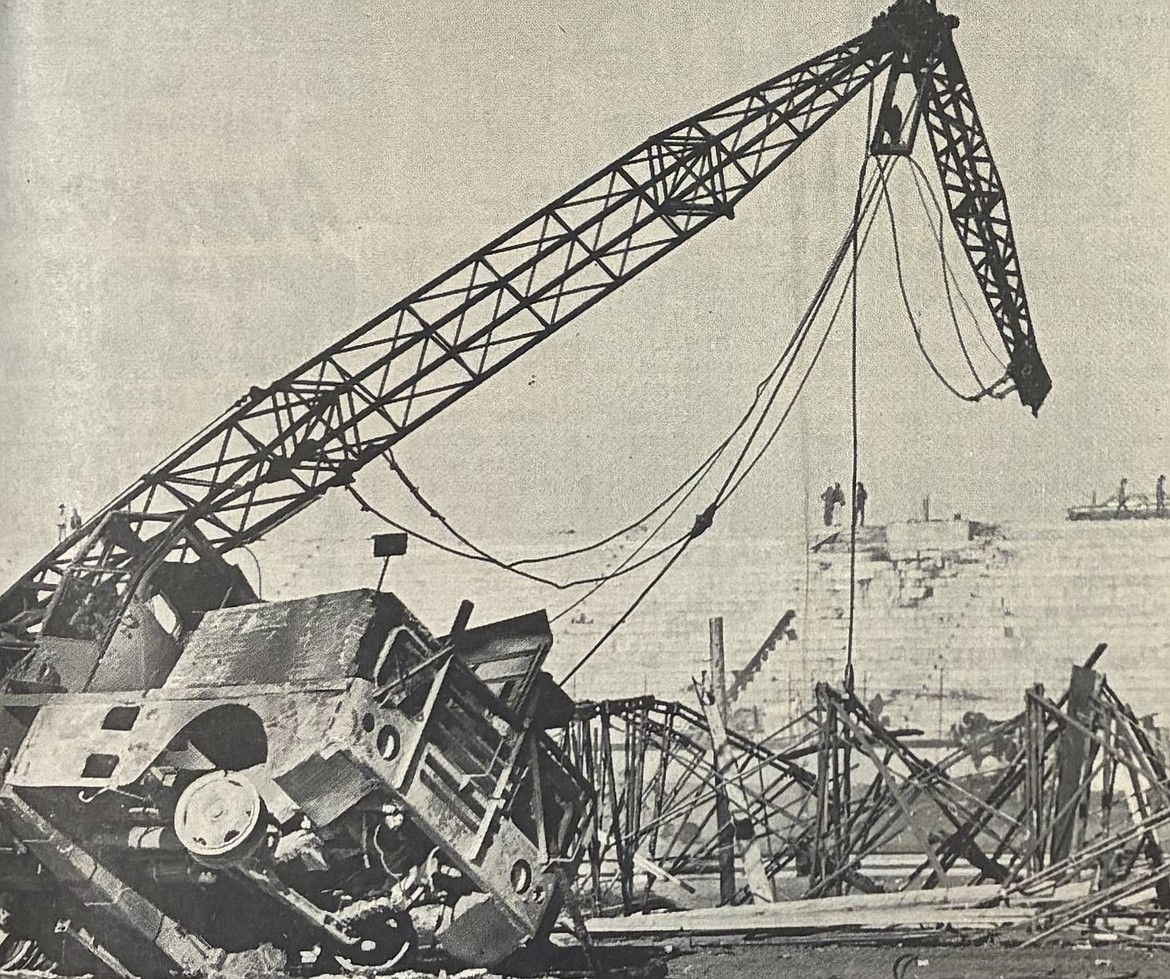
A crane is tipped over and gutted by fire during 1976 rockfest.
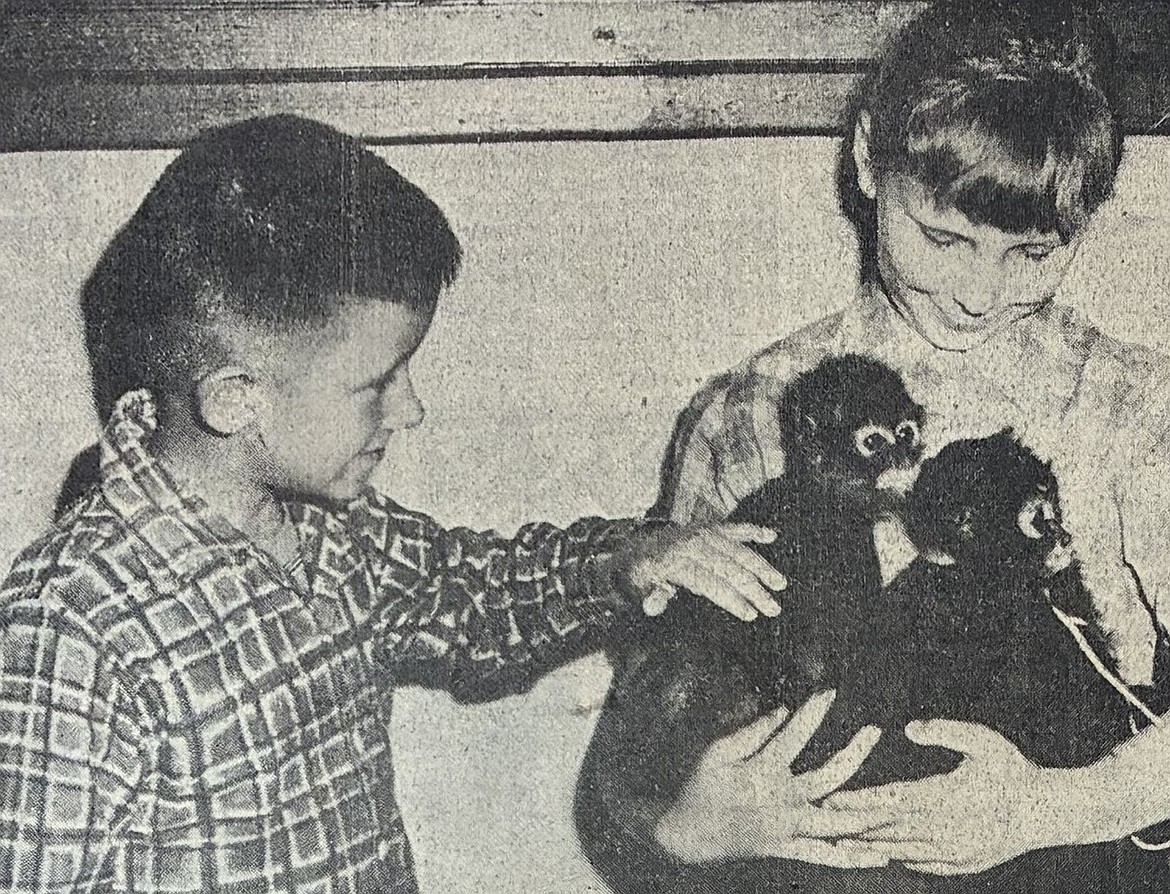
Kathleen Frost, 9, and Eddie Hood, 8, cuddle two monkeys found at 15th Street and Young Avenue in 1956.
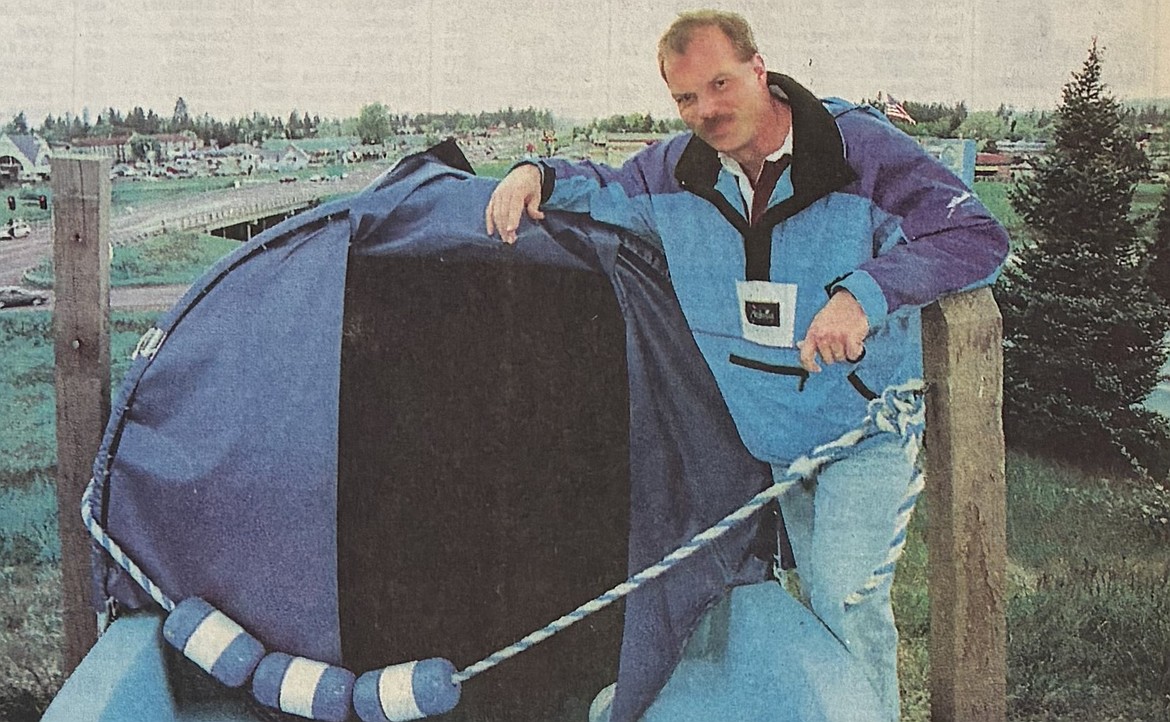
General manager Tim Newhart of Wild Waters poses near the entrance to the “Black Hole” slide in 1996.
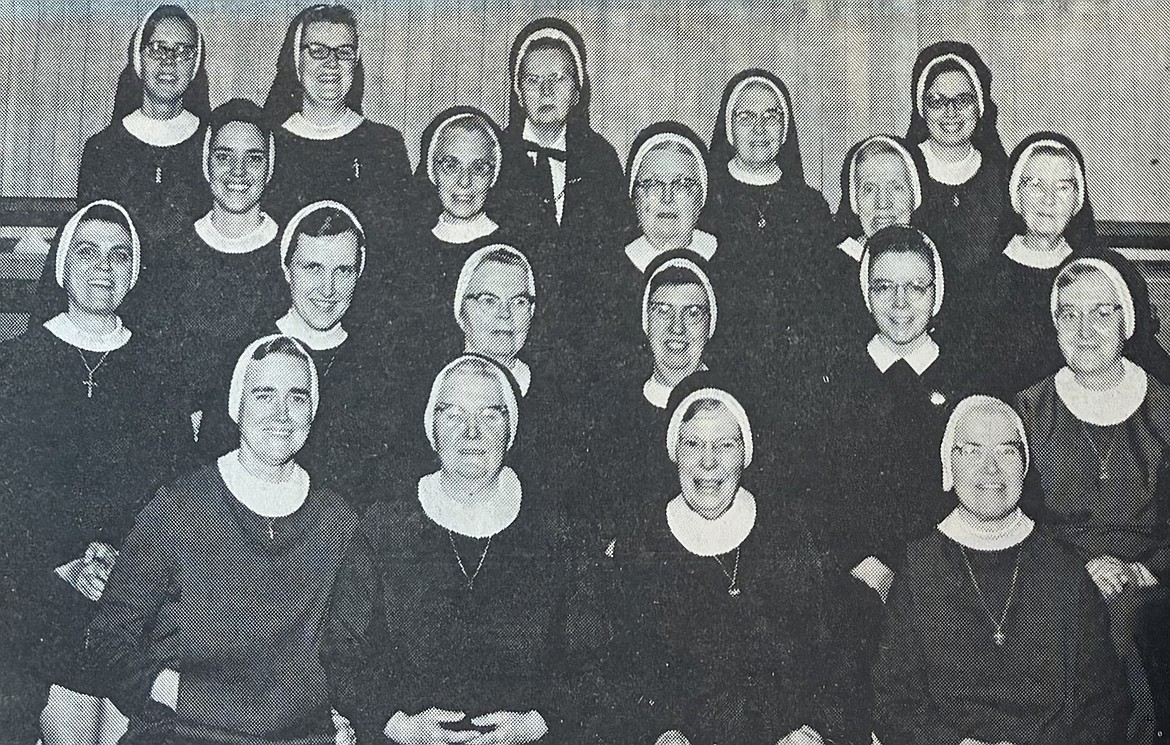
In 1971, the teaching sisters of IHM pose for a farewell photo. They are, front row from left: Sister M. St. Mel (Wright), Sister M. Ida (McDonnell), S. M. Aloysia (Schermanson) and Sister M. Mariel (Dougher); 2nd row from left: Sister M. Bernardus (Dwyer), Sister Joan (Quinn), Sister M. Avellina (Ryan), Sister M. Salome (Klarsch), Sister Mary (Rassley) and Sister M. Charissa (Hayes); third row from left: Sister Christine Marie (Schaefer), Sister M. Davidica (Kildea), Sister M. Nazarene (Smith), Sister Marie Cecilia (McMillen) and Sister Gertrudis (Parter); fourth row from left): Sister Elean…
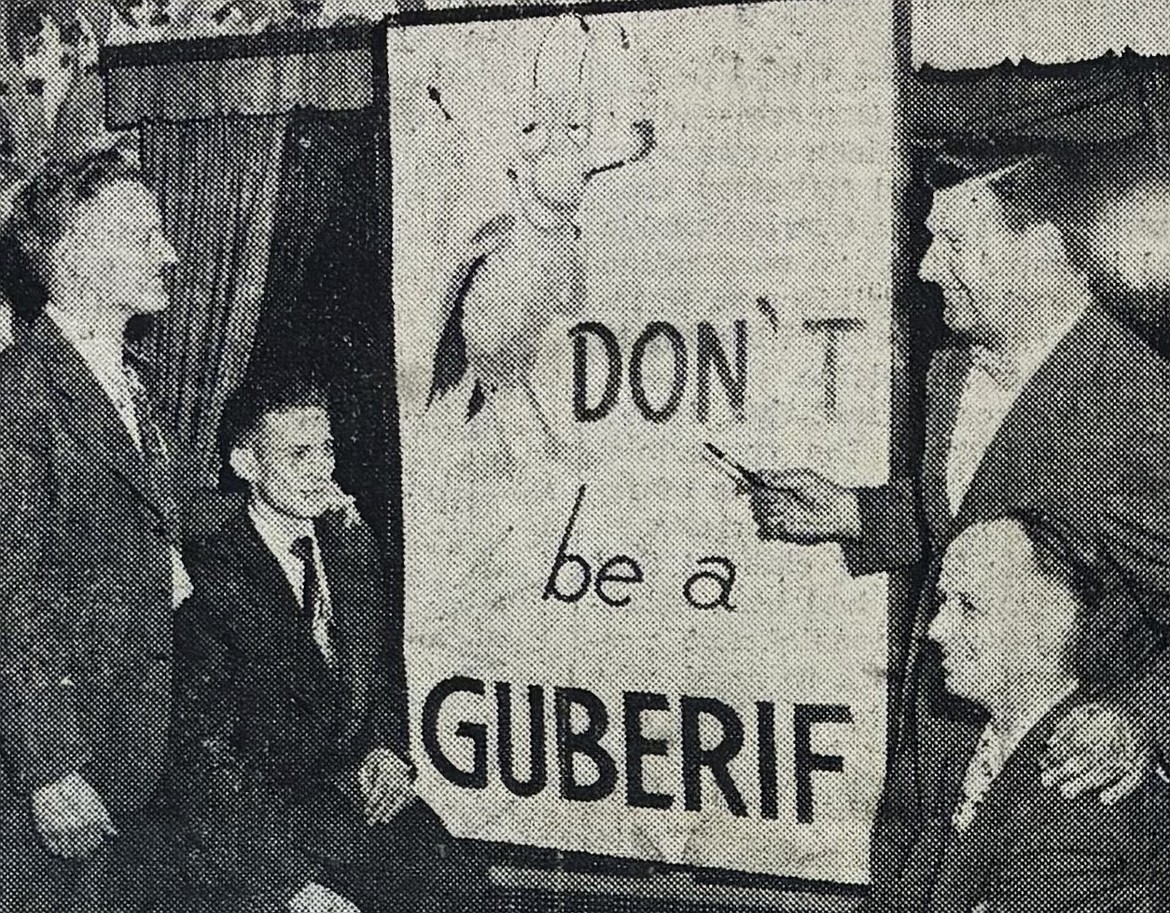
Leading the fight against the “Guberif” in 1951 were, from left: Keep Idaho Green co-chairmen John Messenger and Ken Alexander, Jaycee president Orville Kirking and, with pointer, governor’s representative Richard A. Trzuskowski.
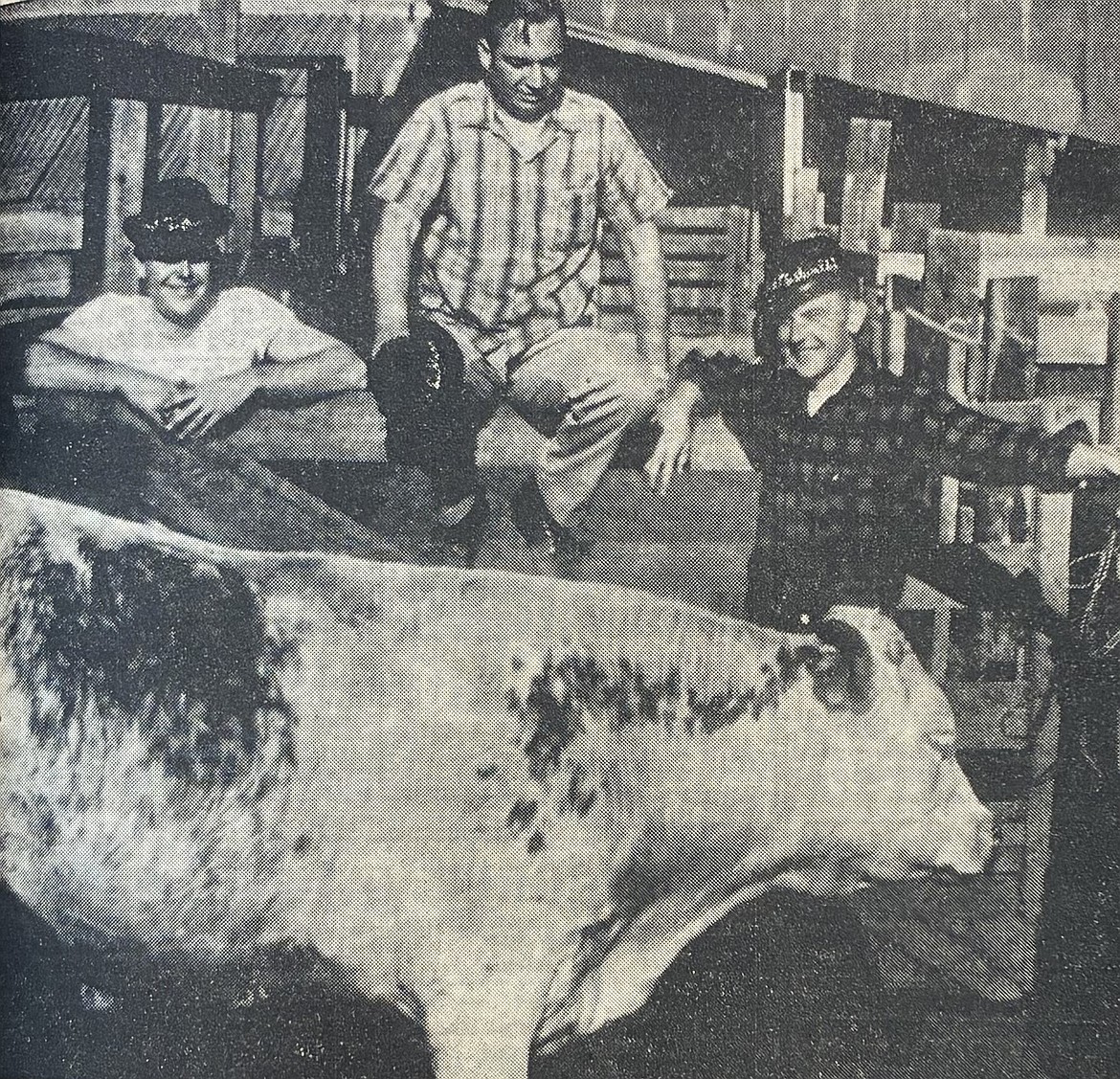
Handling the paint job for Babe the Blue Ox in 1961 were, from left: Bob Harwood, Forest Festival Week chairman R.I. DeArmond and Harvey White.
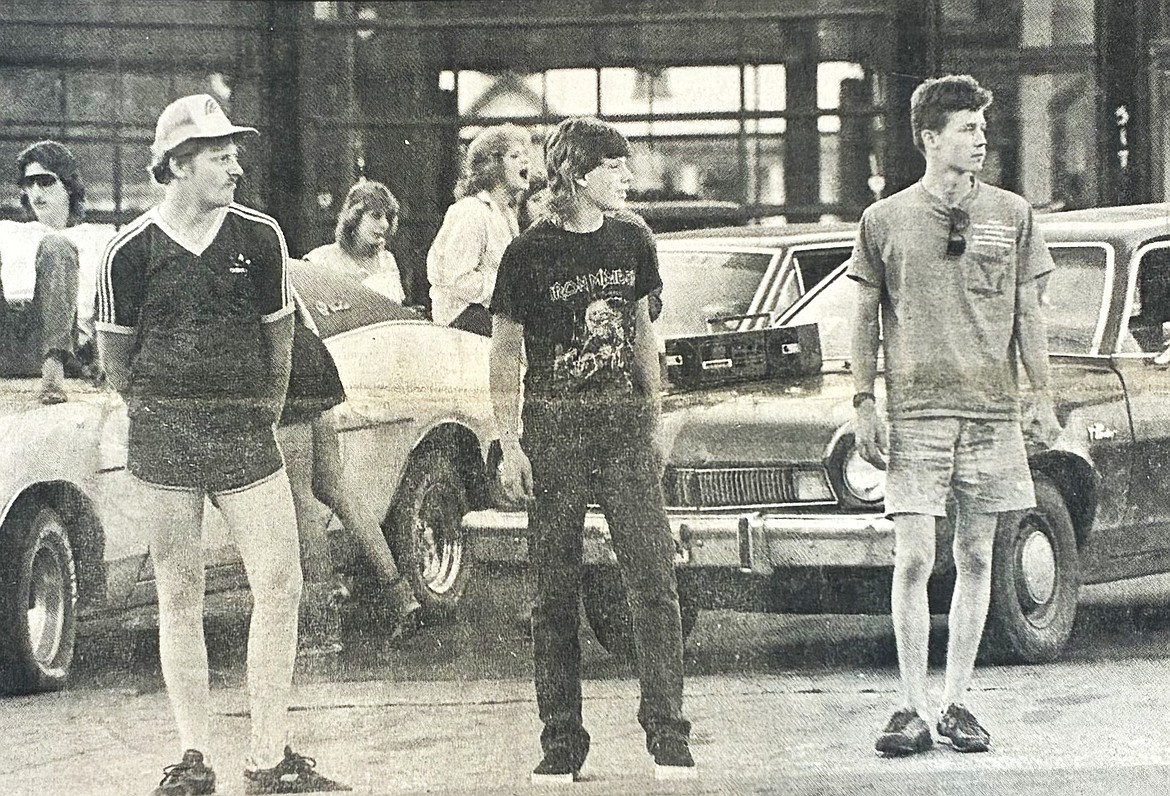
Youngsters hang out on Sherman Avenue in record numbers in 1986.
It was Kootenai County’s version of Woodstock.
But the opening day of Nor’wester 1976 at State Line started almost five hours late.
Then, on Day 2, promoters abruptly canceled the three-day event and vamoosed.
Then, the stoned, drunk crowd threw rocks, 2-by-4 boards and wine bottles at stagehands.
And the riot was on.
On June 5, 1976, the rockfest, billed as the Pacific Northwest’s premier festival of the year, exploded into fistfights, fires, flying debris and wreckage.
Editor George Cecil of the Coeur d’Alene Press said the scene resembled a war zone.
He wrote: “Everything was ablaze — concession stands, trucks, stage, equipment trailers, outhouses — everything and anything that would burn. A wild mob of several hundred were busy smashing anything that wouldn’t burn.”
He continued, “Many of the rioters’ eyes were glazed, either from alcohol or drugs or sheer intoxication of wanton destruction. They were an ugly sight. And they were dangerous.”
Later, Cecil said that local authorities saved lives and further destruction by containing the riot and letting it “run its course rather than move in and try to break it up.”
The pandemonium lasted 10 hours. Six concertgoers were hospitalized.
The State Line festival began with big promises — three days of outdoor music until 11 p.m., featuring about 20 acts for $18 — $30 at the gate. Promoters said they’d booked such bands as Bachman-Turner Overdrive, Flash Cadillac & the Continental Kids, and Blue Oyster Cult.
But the crowds were small (less than 2,000 on opening night) — not enough to break even.
Blue Oyster Cult was the final act on Friday. An Oregon fan said of its set: “They were just super. They were really cookin’. I can hardly wait for the music to start again.”
But tape decks produced the only music on the following day.
Then came the sticks and stones. Then, someone commandeered a crane and damaged the stage, and then rioters destroyed the crane. The melee was on.
The riot caused more than $237,000 damage to the speedway site alone.
In an editorial, The Press called for the county to prosecute promoters and to adopt a new law “so restrictive it will prevent any future rock festivals from taking place in this county.”
Cheech & Chong?
In the 1950s, two monkeys briefly ran the Coeur d’Alene Police Department — real monkeys, not coppers with playful streaks.
The young primates were named “Chi Chi” and “Chongo.” And they were found tied together by a long, heavy cord at 15th Street and Young Avenue.
They were cute but not cuddly.
One of them nipped the arm of rescuer Kathleen Frost, 9, when she tried to hold it. On June 5, 1956, the Coeur d’Alene Press reported that the monkeys were found by Kathleen, who asked her friend, Eddie Hood, 8, for help to find their owner.
Then, they called the cops. And that’s when the monkeyshines began.
The monkeys chattered and climbed on furniture for an hour as officers searched for their owner. The rascals showed special interest in official police reports pinned to the wall.
In the end, police found out that the monkeys were from Acayucan, Mexico. A Coeur d’Alene woman had brought them back from an international visit. They were turned over to the local dogcatcher. And then they faded into local lore.
Wild ride
In 1982, when Wild Waters opened at I-90 and U.S. 95, Sandy Emerson was optimistic.
The Chamber of Commerce manager thought the theme park could mean the difference between Coeur d’Alene as an “overnight tourist town” and Coeur d’Alene as just a “gas and lunch stop,” according to a 2015 Pacific Northwest Inlander report.
A Canadian company built a 70-foot mountain in the center of Lake City and invested $1.5 million to create one of the top water parks in the Northwest. The owners hoped it would attract 800 people per day. Within two months, it drew nearly twice that.
Now fast forward to spring 1996.
A new Canadian owner and a new general manager admitted that Wild Waters was dated. They promised fresh ideas and more attractions, such as the strobe-lit “Black Hole” slide.
In 2003, however, Silverwood Theme Park opened “Boulder Beach.” Mark Robitalle of Silverwood told the Inlander later: “We were in a different level than Wild Waters.”
Wild Waters struggled from then on until it closed in 2009, never to reopen.
The site fell into disrepair and became an eyesore. The once grand water park was demolished in spring 2018, and the land was later sold to a developer.
Huckleberries
• Poet’s Corner: On weekends I ride at/the head of the pack / on my big black Hog with / a chick on the back; / I’m bad to the bone so / don’t get in my way, / I’m wild as they come / for a CPA — The Bard of Sherman Avenue (“Part-time Outlaw”).
• Adios, Sisters: In June 1971, the brain trust at Immaculate Heart of Mary in Pennsylvania pulled the plug on the IHM schools in Coeur d’Alene. Eighteen sisters were reassigned to teach in the East, nearer the mothership. And a local Catholic education tradition that began with 63 students in 1903 was lost. As a challenging side effect, the closures added 700 students to local public schools.
• You Big Ox: As legends go, Paul Bunyan’s huge ox, Babe, was blue. So, local Jaycees improvised to honor Paul and Babe for a 1961 Forest Festival Week parade. They grabbed paint brushes and a tranquilizer dart to transform a 1,070-pound roan steer from Sandpoint into a main attraction. The work was performed at the Y-J Packing Co. yard on Seltice Way — a place most animals didn’t leave in one piece.
• Bad Bug: The “Guberif” was a thing in Idaho 75 years ago. Created by Richard A. Trzuskowski in 1950 for the Keep Idaho Green campaign, the cartoon bug’s name spelled “Firebug” backward. Unlike Woodsy Owl and Smokey Bear, the Guberif led by bad example, carelessly starting wildfires. In 1961, Idaho’s Junior Chamber of Commerce — the Jaycees — battled the bug, with a motto, “Don’t Be a Guberif.”
Parting Shot
Earth — to the Coeur d’Alene City Council.
It’s nice that you want to mollify people who are tired of over-the-top noise downtown. But … Sherman Avenue attracts loud things — loiterers, drunks, cars, motorcycles. Always has.
Forty years ago, for example, the council was troubled by teens cruising Sherman and hanging out at Zip’s parking lot.
Councilman Dan English, then director of Anchor House, recalled the 1960s fondly when he cruised Sherman between Robbie’s and The Topper. “There is nothing wrong with cruising,” he told The Press. “(It’s) just a part of adolescence, a pretty natural process.”
Easy Riders on revved motorcycles caused a significant part of the noise problem then — and now. In a 15-minute period during the 1986 Memorial Day weekend, Police Chief Dave Scates counted 47 motorcycles in one block.
Perhaps it’s time to ban motorcycles from Main Street to tone things down.
• • •
D.F. (Dave) Oliveria can be contacted at [email protected].
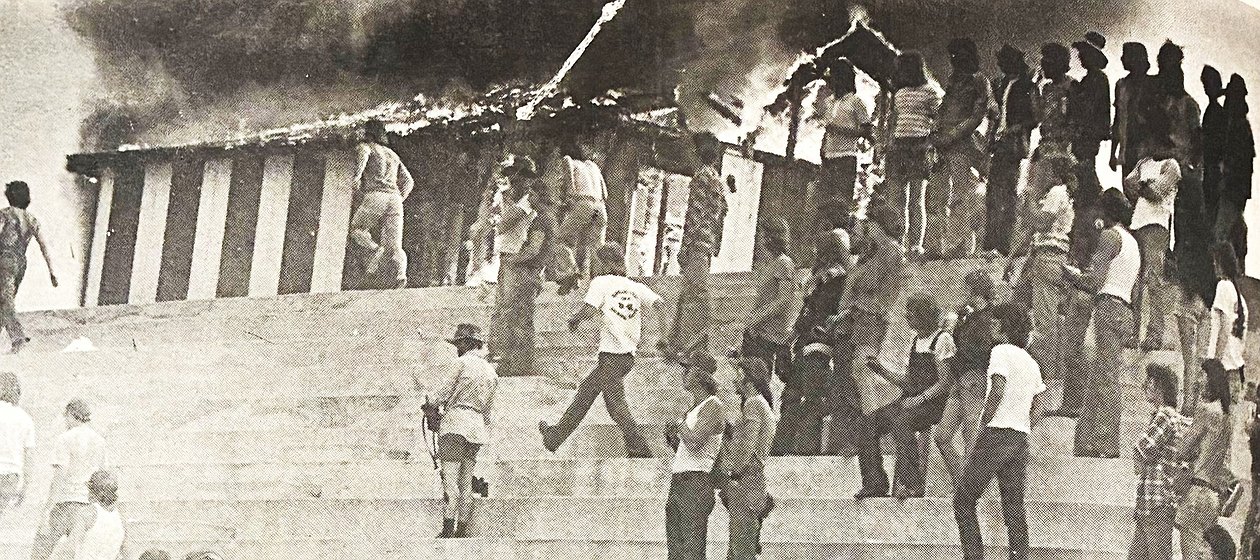 A concession stand burns during the 1976 rockfest rampage.
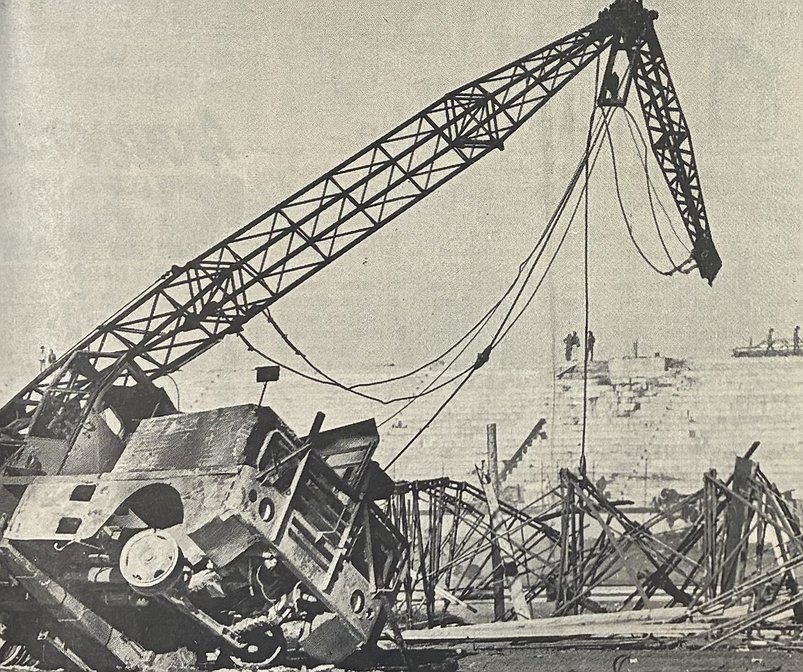 A crane is tipped over and gutted by fire during 1976 rockfest.
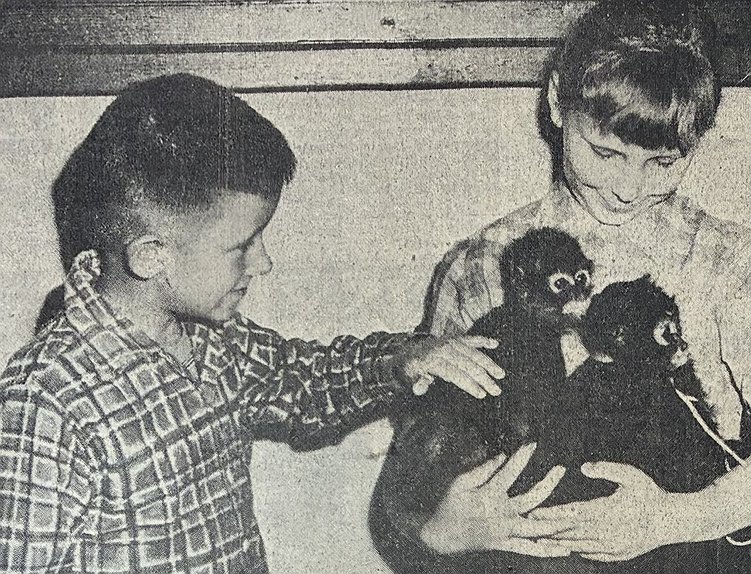 Kathleen Frost, 9, and Eddie Hood, 8, cuddle two monkeys found at 15th Street and Young Avenue in 1956.
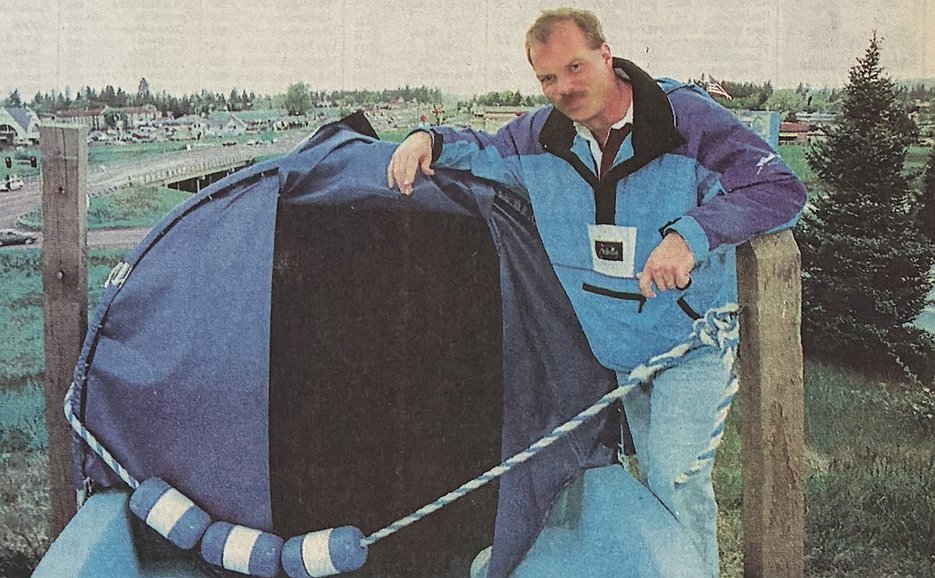 General manager Tim Newhart of Wild Waters poses near the entrance to the “Black Hole” slide in 1996.
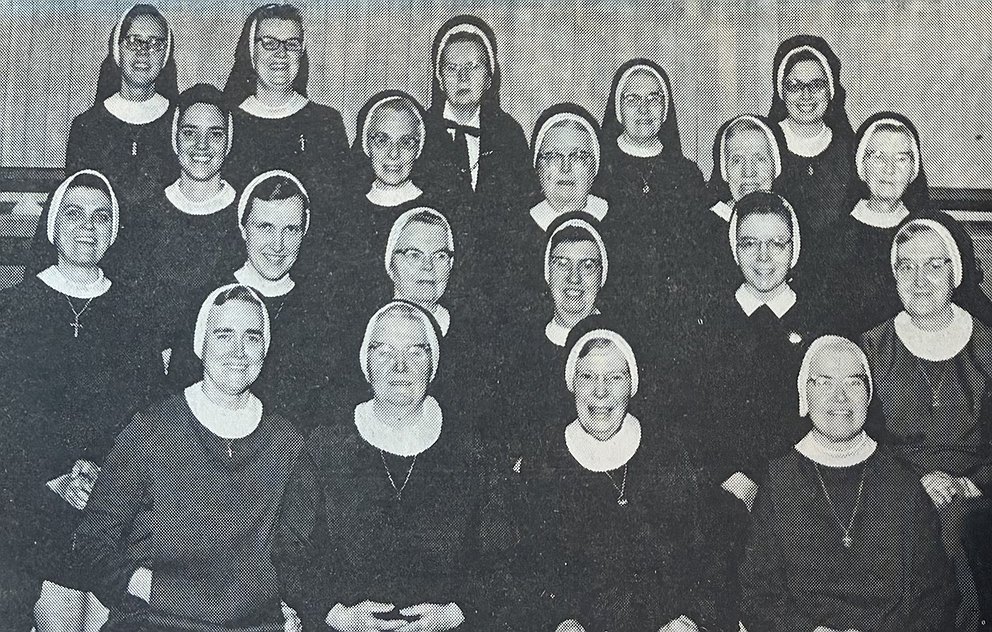 In 1971, the teaching sisters of IHM pose for a farewell photo. They are, front row from left: Sister M. St. Mel (Wright), Sister M. Ida (McDonnell), S. M. Aloysia (Schermanson) and Sister M. Mariel (Dougher); 2nd row from left: Sister M. Bernardus (Dwyer), Sister Joan (Quinn), Sister M. Avellina (Ryan), Sister M. Salome (Klarsch), Sister Mary (Rassley) and Sister M. Charissa (Hayes); third row from left: Sister Christine Marie (Schaefer), Sister M. Davidica (Kildea), Sister M. Nazarene (Smith), Sister Marie Cecilia (McMillen) and Sister Gertrudis (Parter); fourth row from left): Sister Eleanor Mary (Horn), Sister Marie (Moore), Sister M. Clement (Ryan), Sister M. St. Teresa (Healey) and Sister M. Alfonsa (Concilio).
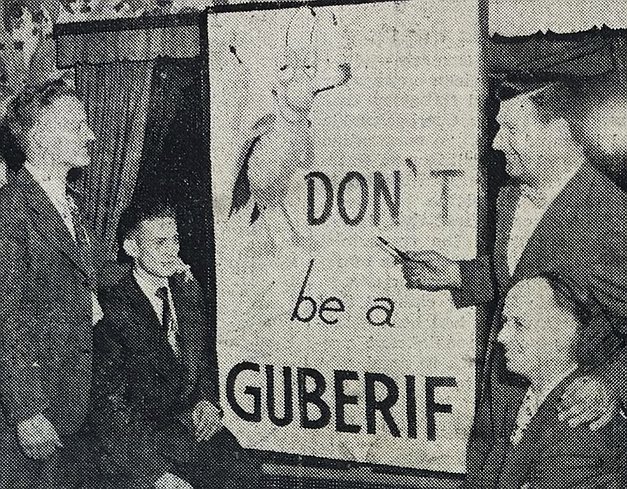 Leading the fight against the “Guberif” in 1951 were, from left: Keep Idaho Green co-chairmen John Messenger and Ken Alexander, Jaycee president Orville Kirking and, with pointer, governor’s representative Richard A. Trzuskowski.
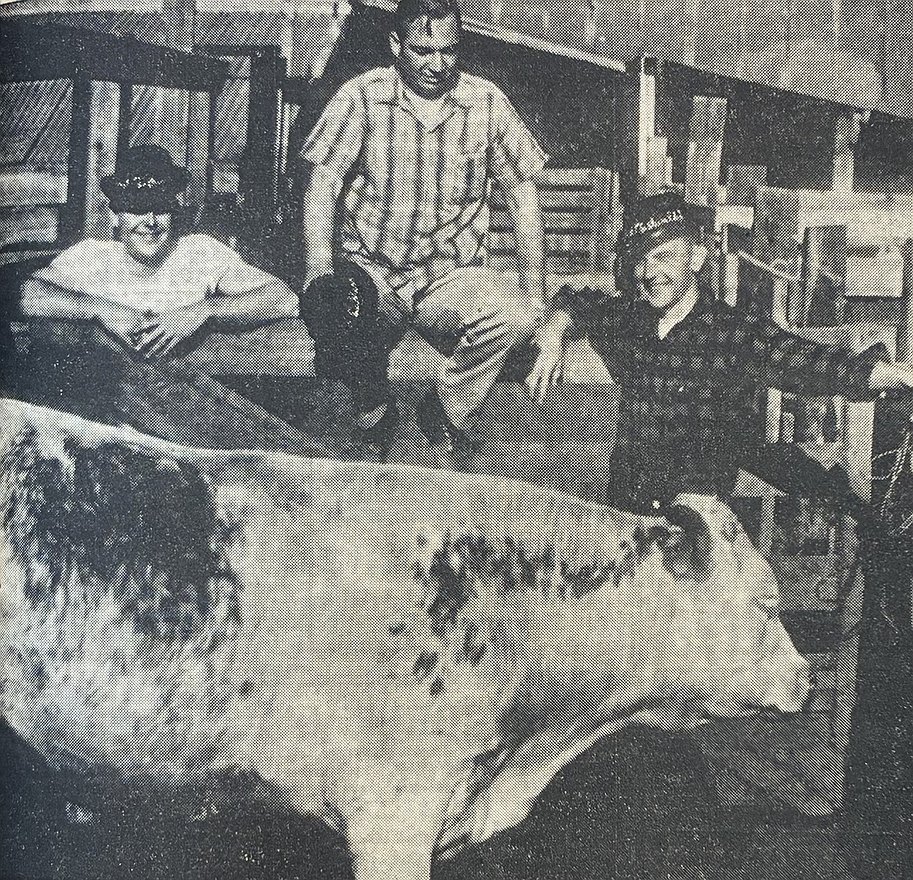 Handling the paint job for Babe the Blue Ox in 1961 were, from left: Bob Harwood, Forest Festival Week chairman R.I. DeArmond and Harvey White.
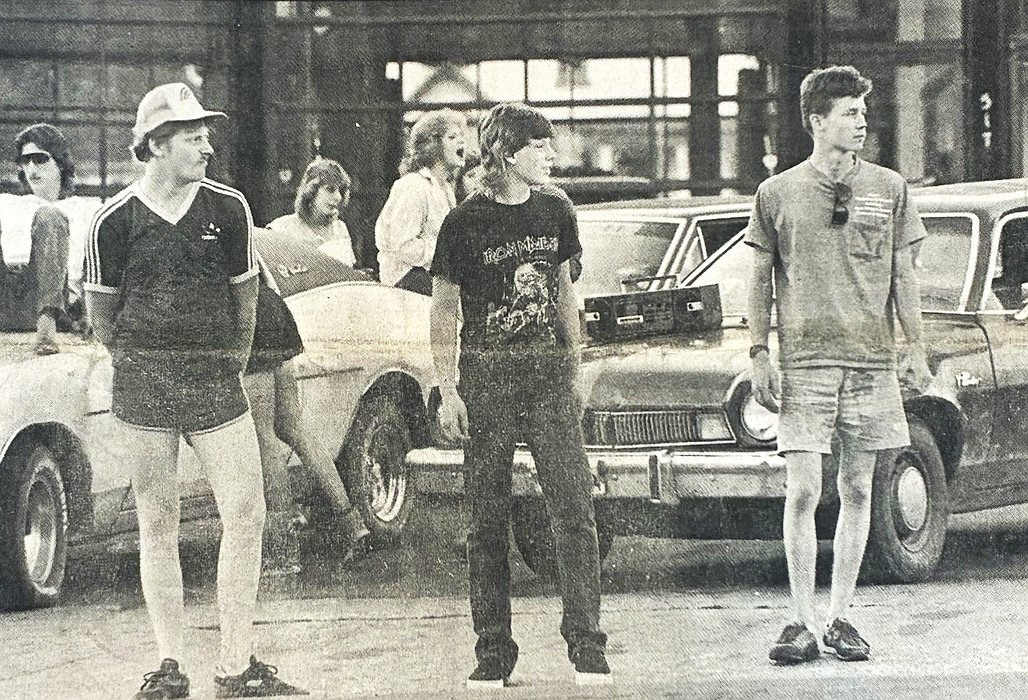 Youngsters hang out on Sherman Avenue in record numbers in 1986.