
Quiet work zones become a bigger priority in busy offices
Lettecha Johnson | Bonner County Daily Bee | UPDATED 3 weeks, 5 days AGO
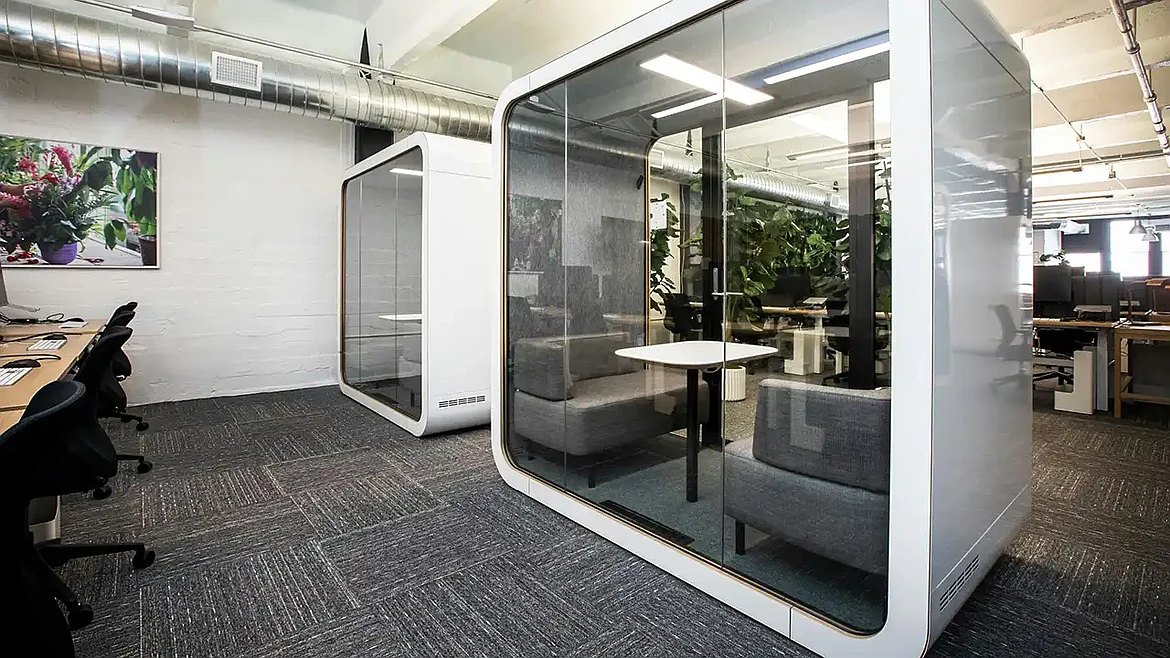
For a modern, comfortable workspace that caters to employee needs, work zones are a must. As these spaces shift from open layouts to hybrid spaces, privacy pods and "no-talking" zones are a must. Employees use these different spaces to improve concentration and to have confidential discussions, either in person or via a virtual team meeting.
As reported by Facility Executive Magazine, only 45% of respondents felt more productive in an office, and that this required the right conditions, including privacy and quiet zones. Therefore, if offices want to ensure that their best employees can be as productive as possible, it's worth investing in designated work areas that relieve them from mental burnout.
Why Is Distraction in the Workplace Such an Issue?
While employers may think an open-space office plan is good for company overhead, it's not, due to lost productivity. Distraction in the workplace is a major issue that prevents deep focus and disrupts ongoing productivity.
Compounding constant workplace disruptions results in severe time loss when it occurs frequently throughout the day. Constantly being interrupted means someone has to repeatedly refocus and recover to get back on track with what they were previously doing.
Non-stop emails and loud pings, even from other people's phones, and constant impromptu chats affect a satisfying, controlled workflow. This may result in anxiety and mental fatigue for the worker.
Companies are feeling the financial impact. Businesses are losing up to $650 billion annually due to these nonstop distractions, according to Circles.
What Are Common Work Distractions?
Someone can easily get pulled away from a task when dealing with personal distractions, such as life stressors or a coworker constantly pulling them into a non-work-related discussion.
Common problems include:
- Background noise in an open layout
- Social media scrolling
- Overheard conversations
- Overheard meetings
- Loud digital notifications
- Computer pop-ups
- Office clutter, such as messy desks
How Do Work Zones Avoid Distractions at Work?
Work zones can become designated quiet areas with proper construction and configurations. Sound-absorbing materials such as acoustic ceiling clouds or upholstered furniture prevent sound waves from echoing off hard surfaces.
Office spaces can also use engineered background sounds to cover up distant speech. Someone may hear it as almost white noise, but won't be able to decipher what people are talking about, making it less distracting.
How Can You Divide Work Spaces for Positive Affect?
Have formal space dividers, such as designated work pods or creative elements like plants. Consider the tasks, noise level, and whether someone needs privacy or room for collaboration.
Consider Tasks
Consider the typical activities that take place in the environment, such as work conferences. Create a dedicated task zone that allows people to effortlessly shift to different work modes from private deep concentration to more open lounge seating with modular desks for collaboration. An ergonomic office pod provides the privacy someone needs to read a confidential document or take a video call in peace.
Have a Break Area
Designated break spaces in quiet areas with comfortable seating give someone a proper mental respite and time to recover from stress. When designing a larger break zone, place some of the furniture in the center of the space to create a clear conversational area. Then, have other furniture pushed into corners or against the wall for those who need more privacy.
Use Creative Barriers
In addition to modular furniture, which you can move around, use the same idea around partitions and walls. A movable screen or partition makes it easy to reconfigure a space. Furniture can also act as boundaries, such as high-back couches or bookshelves.
Go Green
Nature has been proven to reduce stress and create a sense of connection. In addition to potted plants, which can provide a natural barrier for zones, living walls can make someone feel surrounded by nature without going outside. Position workstations near windows so people can soak up natural light, which can help their mood.
Frequently Asked Questions
What Is the 3-3-3 Rule at Work?
This time-management rule advises you to divide your day into three hours of deep work, three shorter tasks, and three maintenance tasks.
The three hours of deep work are for your highest energy window, which is usually in the morning. Devote this time to the most important project or task on your list. Follow up with three hours devoted to shorter task hours that don't require as much deep concentration. These can include making phone calls or answering emails.
Now you have time for a final block that includes three maintenance tasks. Focus on things such as desk organization and planning out your list for the next day. Start answering non-urgent messages and do whatever you need to keep your home or personal life running smoothly.
What Are the Most Common Problems in the Workplace?
Common problems in the workplace include burnout from heavy workload, interpersonal conflict, and poor communication. With poor workflow transparency and leadership, the work environment can drag down productivity, further affected by constant interruptions.
Is 10x10 too Small for an Office?
This amounts to about 100 square feet, so it's not automatically too small for an office. It's a standard size for a single-person workspace that comfortably fits a chair, desk, and vertical storage.
Anybody working in the space would need intentional layout choices to avoid feeling cramped, but it's workable. A small plant can also add life.
You want at least 30 inches of clearance behind your chair for ergonomic movement, and focus on storage that goes up instead of outward. It's not a space for bulky furniture or heavy filing cabinets.
Designated Work Zones Aren't Just for Construction Sites
Studies have shown that an office workspace isn't the best way to bring many people together in the same productive zone. Considerations for noise levels and break space design should be part of these plans. That's why work zones are essential for keeping people more productive, avoiding mental burnout, and helping the company's profit.
Ready to get to work? Check out more of our articles for additional insight about productivity and work-life.
This article was prepared by an independent contributor which helps us continue delivering quality content to our audiences.