
Prescription prices keep chronic disease patients searching for monthly savings
Dax Janel Valencia | Daily Inter-Lake | UPDATED 3 months, 1 week AGO
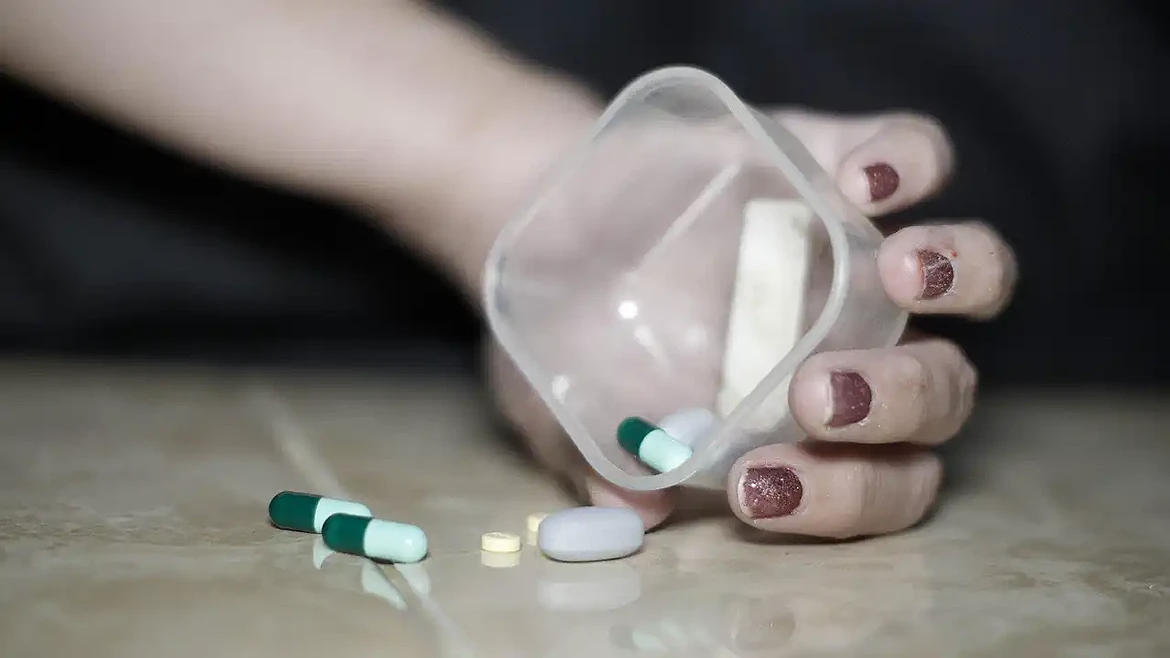
Prescription prices make chronic disease patients keep looking for ways to save, as they have to take long-term medications daily, often even multiple times a day. The ongoing need for these drugs squeezes budgets, forcing patients to cut costs to afford other essentials, like food and housing.
Indeed, high prescription costs are preventing people from filling prescriptions. In a recent report, the KFF noted that 43% of American adults say they haven't taken their medications as prescribed within the past year due to costs.
Are the Most Common Prescription Medications in the U.S. Expensive?
Yes. Drug pricing, including for the most common prescription medications in the U.S., is high, particularly if you compare it to other countries.
As an article published by KOTATV.com reports, the same prescription medications in other countries cost people in the U.S. around three times as much.
One of the primary reasons behind high prescription prices in the U.S. is the nation's lack of centralized price negotiation. Because of this, pharmaceutical companies are often free to set the prices on their own products.
Are Prescription Prices Going up Further in 2026?
Yes. Prescription prices for many brand-name medications have increased in 2026.
According to an article by PharmExec.com, 872 brand-name drugs have had their list prices raised by pharmaceutical companies, with the median increase being 4%. The conditions these medications treat vary, ranging from type 2 diabetes to heart disease and cancer.
Why Are Prescription Prices Forcing Chronic Disease Patients to Keep Looking for Savings?
Chronic diseases refer to health conditions that affect individuals for a long time, often for one year or more. They require ongoing medical attention and supervision while also often limiting activities of daily living (ADLs).
According to the U.S. Centers for Disease Control and Prevention (CDC), three-quarters of American adults have at least one chronic disease. Over half even have at least two.
Chronic conditions are long-lasting, sometimes even permanent, requiring patients to take medications for them as long as they exist. It's this long-term need, combined with the high prices of medications, that forces many of them to keep looking for savings.
Ongoing Daily Need for Medications to Survive
A study published in the National Library of Medicine notes that the most common prescribed medications in the U.S. include:
- Atorvastatin: Lowers cholesterol and triglyceride levels, helping prevent heart attacks, strokes, and other serious cardiovascular problems
- Lisinopril: Used for high blood pressure and heart failure management and to improve survival following a heart attack
- Levothyroxine: Used for hypothyroidism and to treat or prevent certain types of thyroid cancer
- Amlodipine: Lowers blood pressure levels, reduces strain on the heart, and prevents chest pain
The above medications are all examples of drugs patients have to take daily to manage their chronic conditions. Failure to take these medicines as prescribed can worsen diseases, ultimately affecting one's survival.
Since many people who take prescription medications have to do so every day, and in many cases, several times a day, their drug expenses can quickly pile up.
Requiring Multiple Medications (Polypharmacy)
The term "polypharmacy" refers to a single person's regular use of at least five medications. They need to take all these medicines, often daily and several times a day, because they're managing multiple health problems.
The more medications a patient needs, the more they have to spend on high prescription prices.
A study published in PubMed Central found that older adults with polypharmacy had an annual total health expenditure of $14,691.06. Conversely, the annual total health expenditure of older adults without polypharmacy was just at $8,912.09.
Having Other Expenses to Worry About
Chronic disease patients have many other expenses to think about aside from their daily prescription costs, such as:
- Food
- Mortgage or rent
- Utilities
- Insurance
- Transportation
With all those other living costs and financial responsibilities, it's not surprising many feel compelled to cut back on prescription spending. Some choose to "swap" prescriptions with OTC ones, cut pills in half, skip doses, or even forego filling prescriptions altogether, but these are not safe.
Taking advantage of prescription drug discounts, often made available by online pharmacies, is a safer way to cut back on medication costs. Patients who order from a legitimate, trustworthy platform can save up to 80% on preferred prescription drug choices, as pointed out by PricePro Pharmacy.
Frequently Asked Questions
What Are Other Ways to Deal With High Prescription Prices?
Instead of sticking to brand-name medications, ask your primary care provider about switching you over to generic versions.
Generic drugs are usually much cheaper than their brand-name counterparts, but not because they are "low-quality." The primary reason they cost less is that they no longer have the same research, manufacturing, and marketing costs associated with developing brand-name drugs from scratch.
You should also take the time to find prescription drug coupons both offline and online. You'll often find printed coupons on pharmacy counters and doctors' office desks. "Digital" ones are made available by online pharmacies, classified ads, and aggregator sites.
What Mistakes Should You Avoid When Ordering Prescription Drugs Online?
Thinking every website claiming to be a pharmacy is trustworthy and legit is one of the biggest mistakes you should avoid when ordering prescription medications online. Always take the time to verify each site's validity, such as by checking with the National Association of Boards of Pharmacy (NABP).
You should also know that legitimate pharmacies will always ask for a valid prescription issued by a licensed healthcare professional or medical practitioner. Don't make the mistake of trusting a website that says you can purchase prescription drugs without a valid prescription.
Failing to use all available pharmacy offers is another mistake to avoid. In many cases, online pharmacies offer discounts for bulk purchases (e.g., three months' worth of supply), along with sale coupons for first-time buyers and flat-rate shipping.
Navigate High Prescription Prices With Smart Buying Strategies
With prescription prices continuously on the rise, chronic disease patients should become savvier when buying their much-needed medications. If you need to regularly take medicines yourself, consider filling your prescriptions online, switching to generics, and buying them in bulk.
If you're ready for more health, wellness, and money-saving guides like this, we've got you covered. Check out our latest articles and news coverage to stay updated.
This article was prepared by an independent contributor which helps us continue delivering quality content to our audiences.