Repository expansion supports ongoing Canyon Creek cleanup
JOSH McDONALD | Hagadone News Network | UPDATED 2 months, 3 weeks AGO
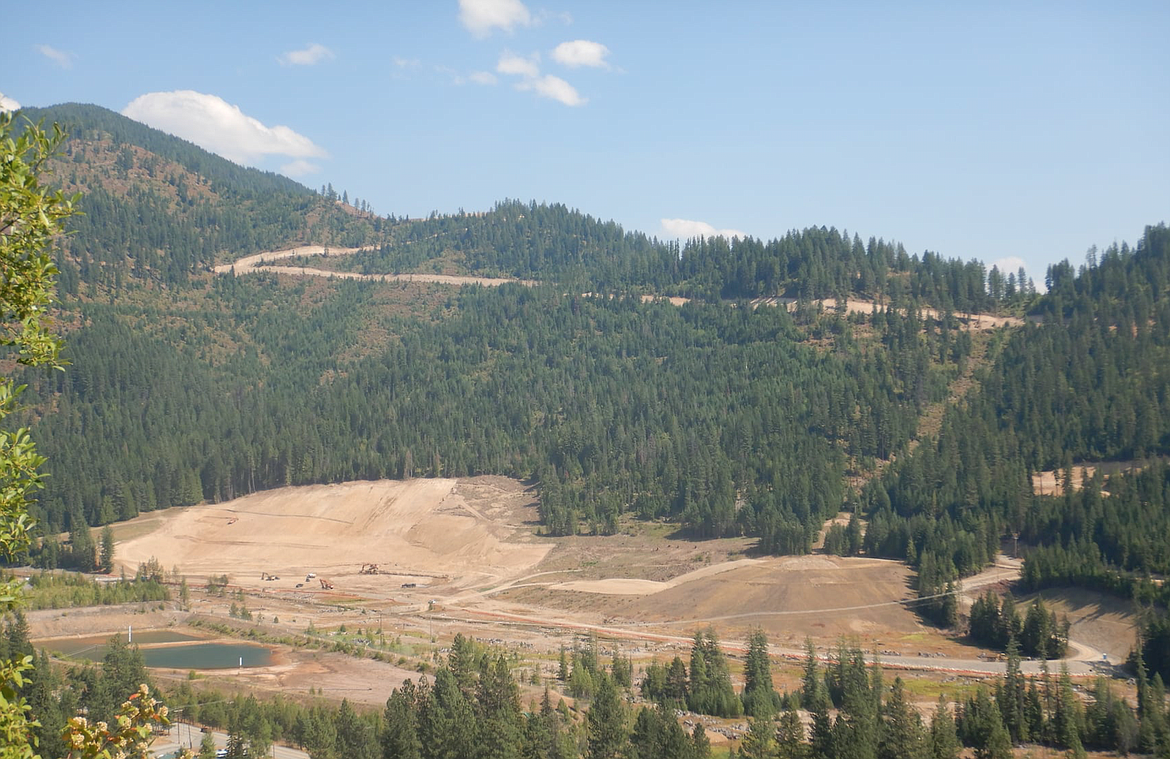
The new Canyon Complex Repository/Waste Consolidation Area in Canyon Creek. Crews are building the new repository foundation. Repositories and waste consolidation areas like this one reduce health risks from metals like lead and arsenic.
Courtesy photo
BURKE — Cleanup work continues across the Canyon Creek Basin as agencies move into another major construction season within the Bunker Hill Superfund Site.
The Canyon Creek Basin remains one of the Upper Basin’s priority cleanup areas because of the concentration of historic mine waste near streams, wildlife habitat and residential areas. Current projects are designed to reduce human exposure and prevent additional contamination from washing downstream during storms or spring runoff.
“The continued cleanup work in Canyon Creek represents another important step toward restoring one of the Basin's historically impacted watersheds and protecting human health,” Basin Environmental Improvement Project Commission Executive Director Sharon Bosley said.
Mining and milling operations in the Silver Valley began in the 1880s, when waste rock and tailings were commonly dumped into nearby waterways and floodplains. Over time, more than 100 million tons of mine waste spread across thousands of acres throughout the region. The area was added to the federal Superfund National Priorities List in 1983 after some of the nation’s highest blood lead levels were discovered in local communities.
The Hecla Star Complex near Burke entered its fourth and final year of construction in 2026. Crews are expected to remove approximately 65,000 cubic yards of mine waste this season before replacing it with clean rock and gravel from the Canyon Creek Quarry. Plans also include reconstruction of about 600 linear feet of Canyon Creek and paving nearly 2,900 linear feet of Burke Road. Officials said the work will remove a major contamination source while reducing risks to residents, wildlife and downstream waterways.
“This year, crews will continue remediation efforts at the Star and Tamarack sites while also beginning work at Flynn/Black Bear,” Bosley said. “These projects help reduce the movement of contaminated mine waste into local waterways, improve environmental conditions for fish and wildlife, and support the long-term recovery of the Canyon Creek watershed for future generations.”
Cleanup also continues at the Tamarack No. 7 site, which entered its second and final construction season this year. The project includes removal of about 50,000 cubic yards of contaminated material, placement of clean backfill and reconstruction of roughly 1,100 linear feet of Canyon Creek.
The upcoming Flynn Mine and Black Bear Fraction projects are smaller than other active cleanup sites, but officials assigned them a higher priority because of the potential for residential exposure. Current plans call for removal of approximately 9,000 cubic yards of mine waste followed by grading and placement of clean cover material from the Canyon Creek Quarry.
All contaminated waste removed from the projects is being transported to the Canyon Complex Repository, which serves as the primary disposal site for cleanup operations in Canyon Creek. The repository was developed to replace the leaking Silver Valley Natural Resource Trustee Repository and provide long-term disposal capacity for future remediation work.
A major expansion of the Canyon Complex Repository began in 2026 and is expected to add approximately 541,200 bank cubic yards of disposal capacity. The expansion will allow the repository to continue receiving waste from the Star Complex, Tamarack No. 7, Flynn Mine and Black Bear Fraction projects, as well as other planned remedial action work through at least 2029.
Officials estimate the repository currently provides approximately 1.8 million cubic yards of total storage capacity for ongoing cleanup work across the basin.
ARTICLES BY JOSH MCDONALD
Wet weather could help contain Dudley Fire
Wet weather could help contain Dudley Fire