
Hot Springs students learn hometown history at LaRue Museum
TRACY SCOTT Valley Press | Valley Press-Mineral Independent | UPDATED 3 months AGO
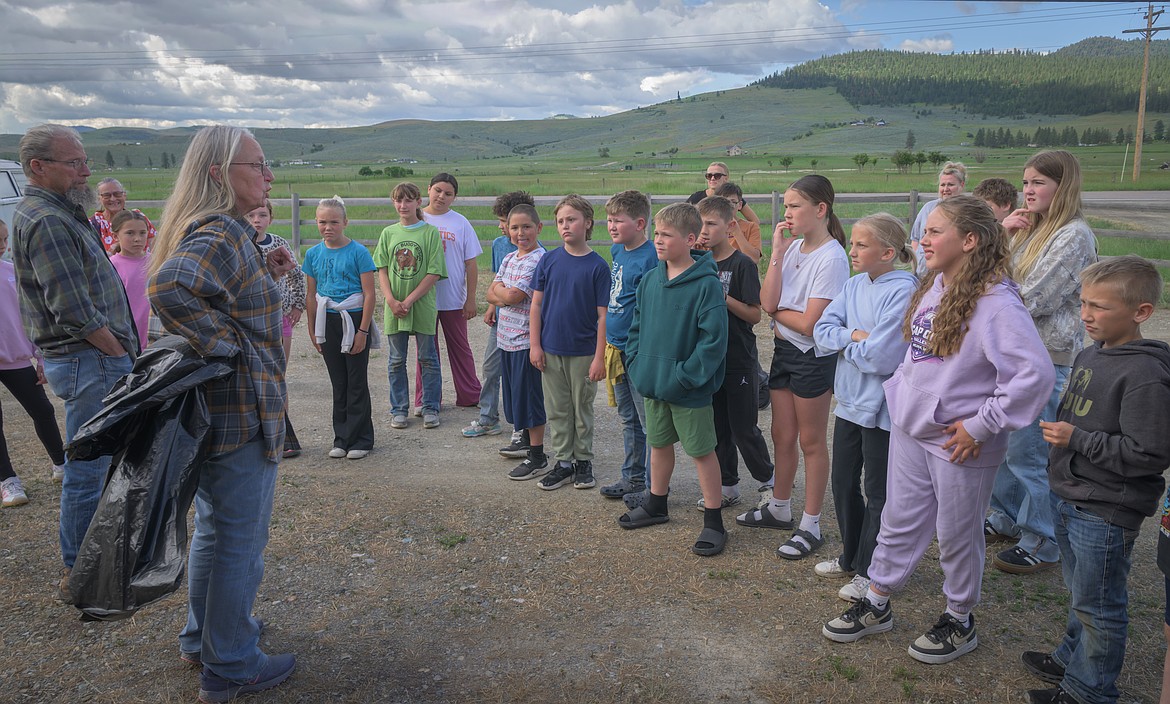
Museum Director Sher Loberg and volunteer George Heinselman welcoming Hot Springs students. (Tracy Scott/Valley Press)
Tracy Scott
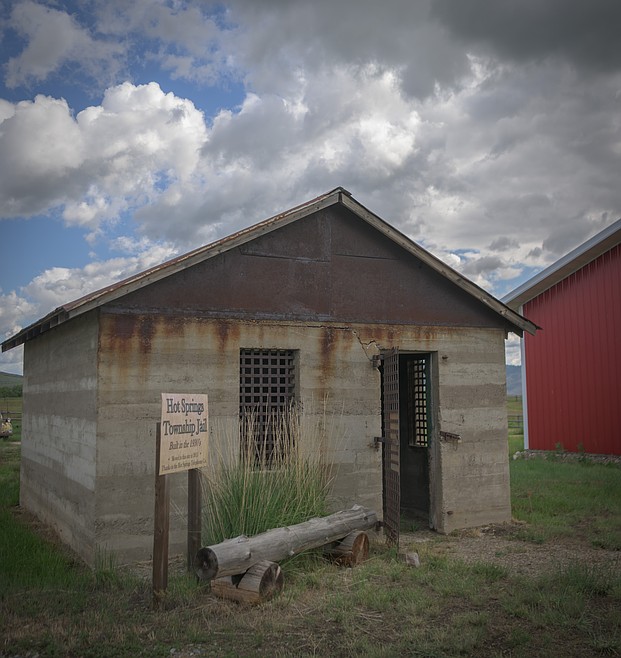
The Hot Springs jail built in the 1930s. (Tracy Scott/Valley Press)
Tracy Scott
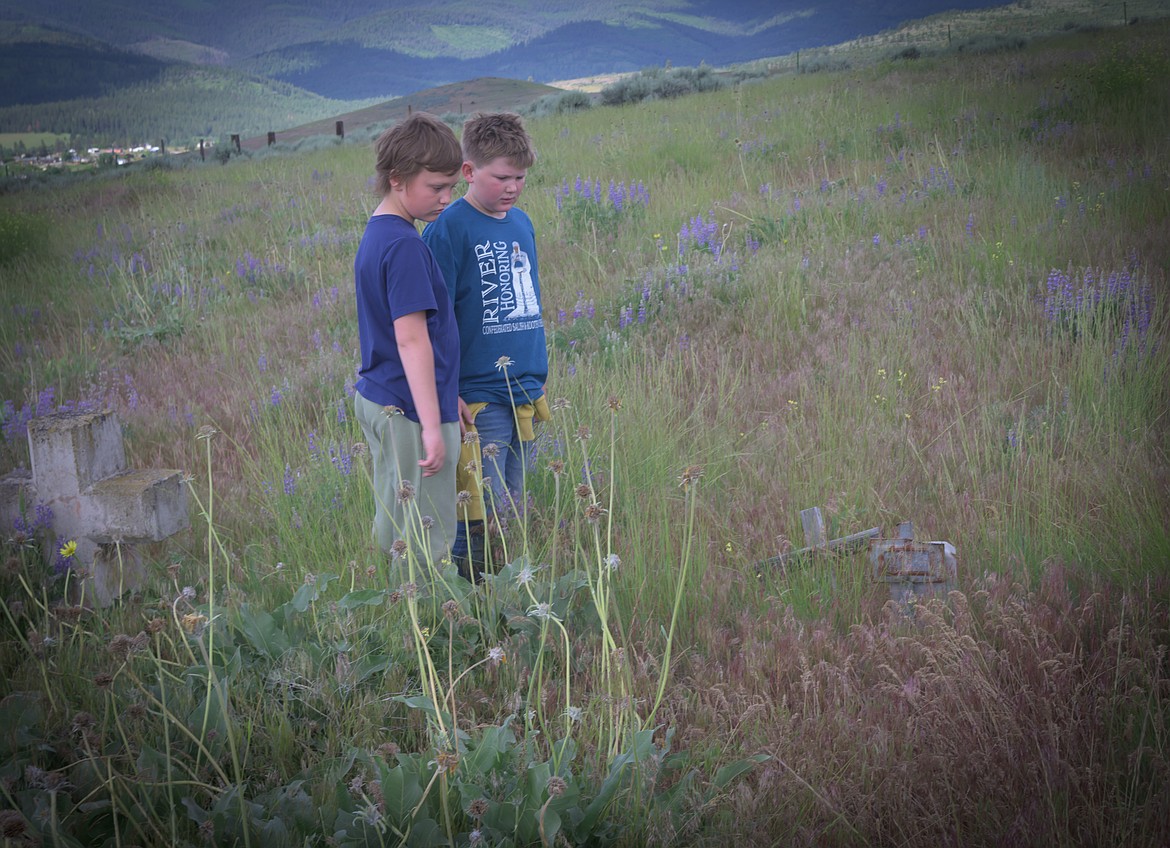
Hot Springs students Keegon McDonald and Davian Harris lean about the Ventling Cemetery in Hot Springs. (Tracy Scott/Valley Press)
Tracy Scott
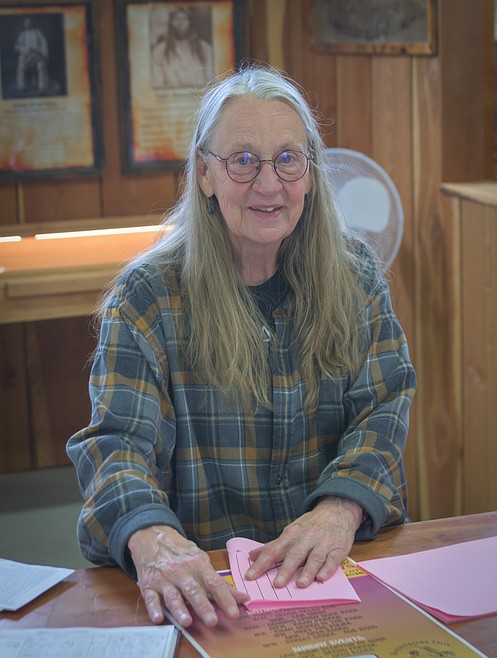
LaRue Hot Springs Museum Director Sher Loberg. (Tracy Scott/Valley Press)
Tracy Scott
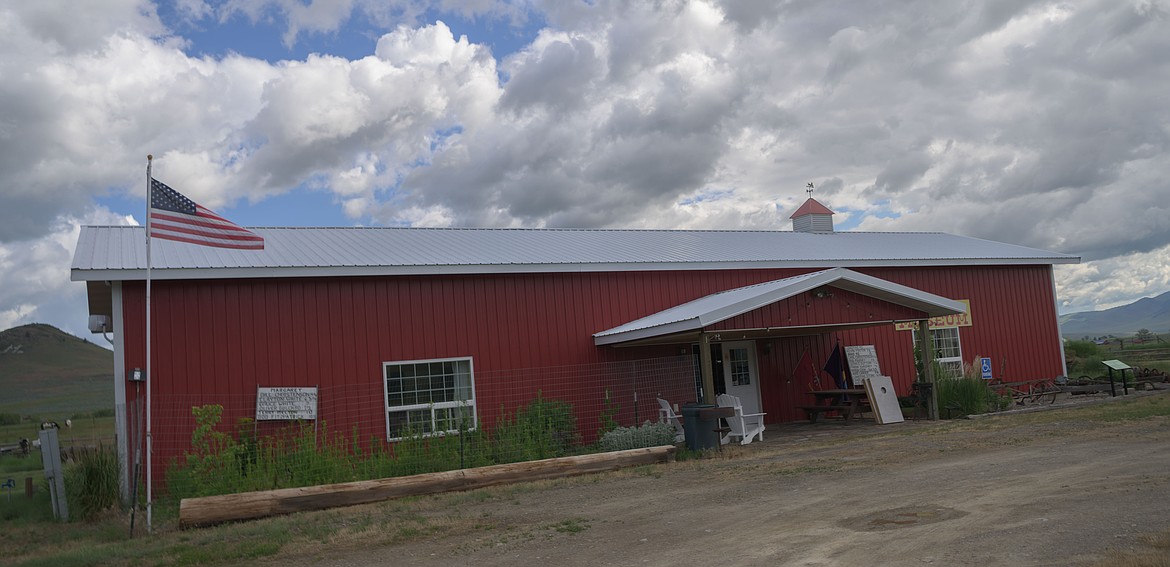
The LaRue Hot Springs Museum. (Tracy Scott/Valley Press)
Tracy Scott
Students from Hot Springs fourth and fifth grade classes spent the last day of the school year learning about the history of their town during a visit to the LaRue Hot Springs Museum.
Chaperoned by teachers Veronica Colyer and Suzie Hunter, 31 students made the walk to the museum for the annual Day at the Museum program. There, students explored hands-on exhibits, played historical games, and learned about life in Hot Springs decades ago.
Museum Director Sher Loberg, who has served in the position for the past five years, was on hand to test the students' observation skills. Loberg distributed worksheets containing questions related to specific museum exhibits.
Questions included, "What is Rule No. 2 on the teacher's rules of 1910?" and "Who donated the permanent wave machine?" While students were able to answer most of the questions, none could identify the donor of the permanent wave machine.
"They were stumped," Loberg said. "They didn't know what certain things were, like the permanent wave machine. It was how women would get a permanent at the beauty shop. It was an electrical apparatus that looked like a torture device. They were very confused about where to find it."
The idea of establishing a museum in Hot Springs began in 2005 when a group of residents sought to preserve the stories, struggles, and successes of the area's early settlers. The LaRue Hot Springs Museum became a reality in 2006 when Harold and Betty LaRue donated two acres of land and startup funding for the construction of the museum building. The museum officially opened its doors in 2008.
The students were divided into two groups. While one group explored the museum, the other toured the historic Ventling Cemetery with longtime local resident George Heinselman. The non-maintained cemetery was established in 1914 and contains some of the area's earliest graves.
"It's so sad. It's forgotten," said student Oila Stephens. "Some of the headstones had no names and were really overgrown."
Hot Springs School paraprofessional Ruth Bartholomew said the visit helps students connect with local history.
"I think it is to introduce these kids to history," Bartholomew said. "This is a cemetery that has not been brought up or talked about, and there is history here we did not know existed."
During presentations to both groups, Loberg discussed technologies that were once common but are now largely forgotten, including party-line telephones and pay phones.
After one presentation, Loberg asked students what they had learned during their visit.
Fourth-grader Hunter Morgan quickly raised his hand and replied, "Now I know what the bath houses looked like before."
One of the museum's most popular exhibits was the first and only jail built in Hot Springs. Constructed in the 1930s, the jail was eventually relocated to the museum grounds. According to local history, its only occupant was Merle Ady, who was jailed sometime during the 1940s or 1950s. Ady reportedly escaped by using a nearby cutting torch to remove the hinges from the cell door before heading home. He was found the following day asleep in his own bed.
Students also learned about the origins of the Hot Springs area. In 1892, the first hot spring soaking area, known as Camas, was developed. What began as a tent city eventually grew into a thriving community with hotels, rooming houses, livery stables, and a post office. Nearby, another settlement known as Pineville was developing and would eventually become the town of Hot Springs.
The rivalry between the two communities, located only about a mile apart, occasionally became intense. Some business owners in Camas not only relocated their businesses to Pineville but physically moved entire buildings as well.
Kindergarten teacher Josey Silva also brought her students to the museum for a scavenger hunt. Each kindergarten student received a museum membership in hopes of sparking an interest in local history and encouraging future visits with their families.
At the end of the day Loberg commented, “The kids' favorite displays were the school, the soda fountain from Cortner's Corner, the Sorensen Cabin vacation rental and of course the trucks. One student chose to spend his time playing the piano and had some brilliant ideas to improve the piano display.” She continued, “In the late afternoon they did a little community service by pulling weeds in the interpretive trail before finishing the day making ice cream and enjoying sundaes before walking back to school. Sharing the museum with the students was delightful and we're already making plans for their visit next year.”
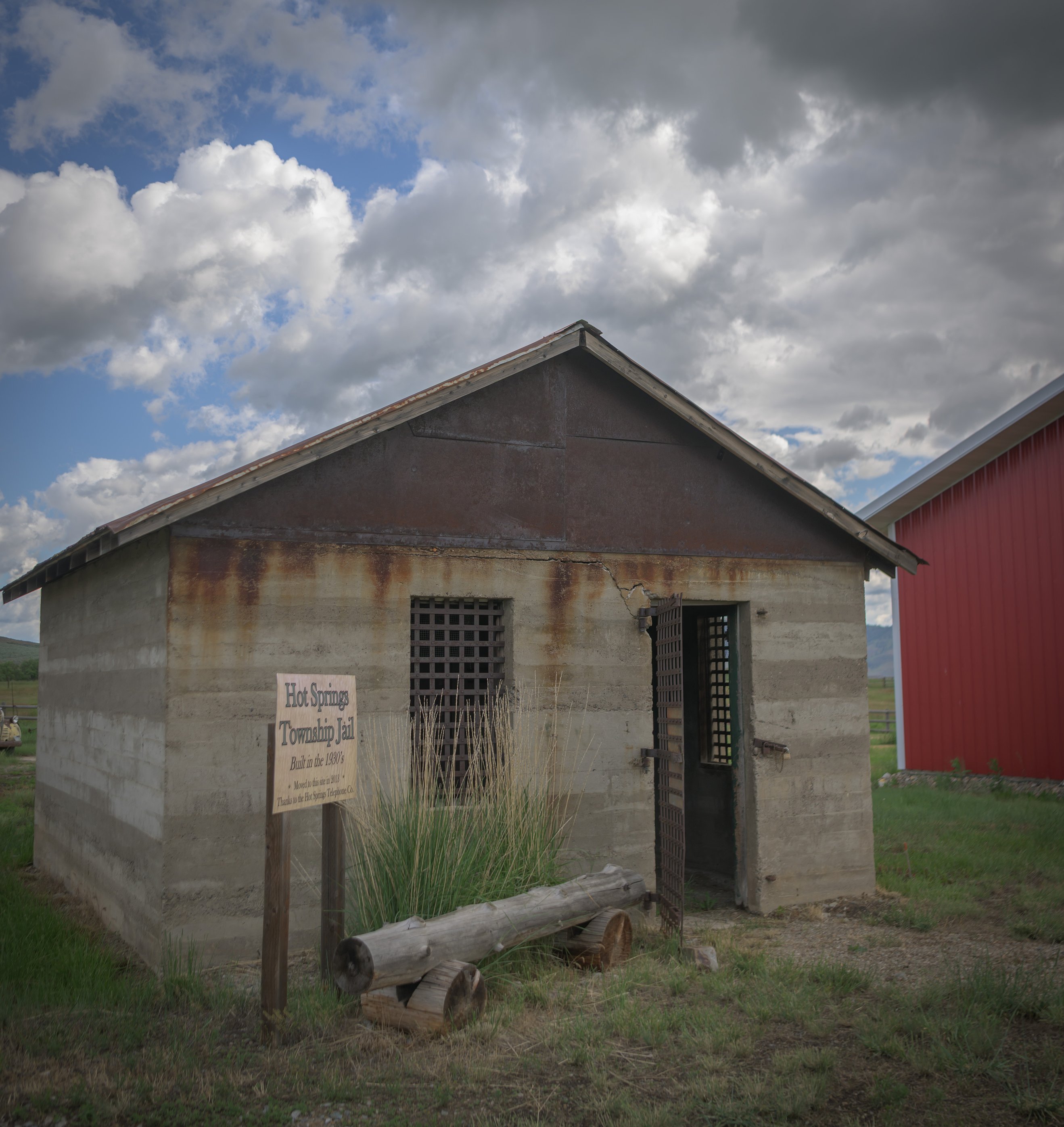 The Hot Springs jail built in the 1930s. (Tracy Scott/Valley Press)
Tracy Scott
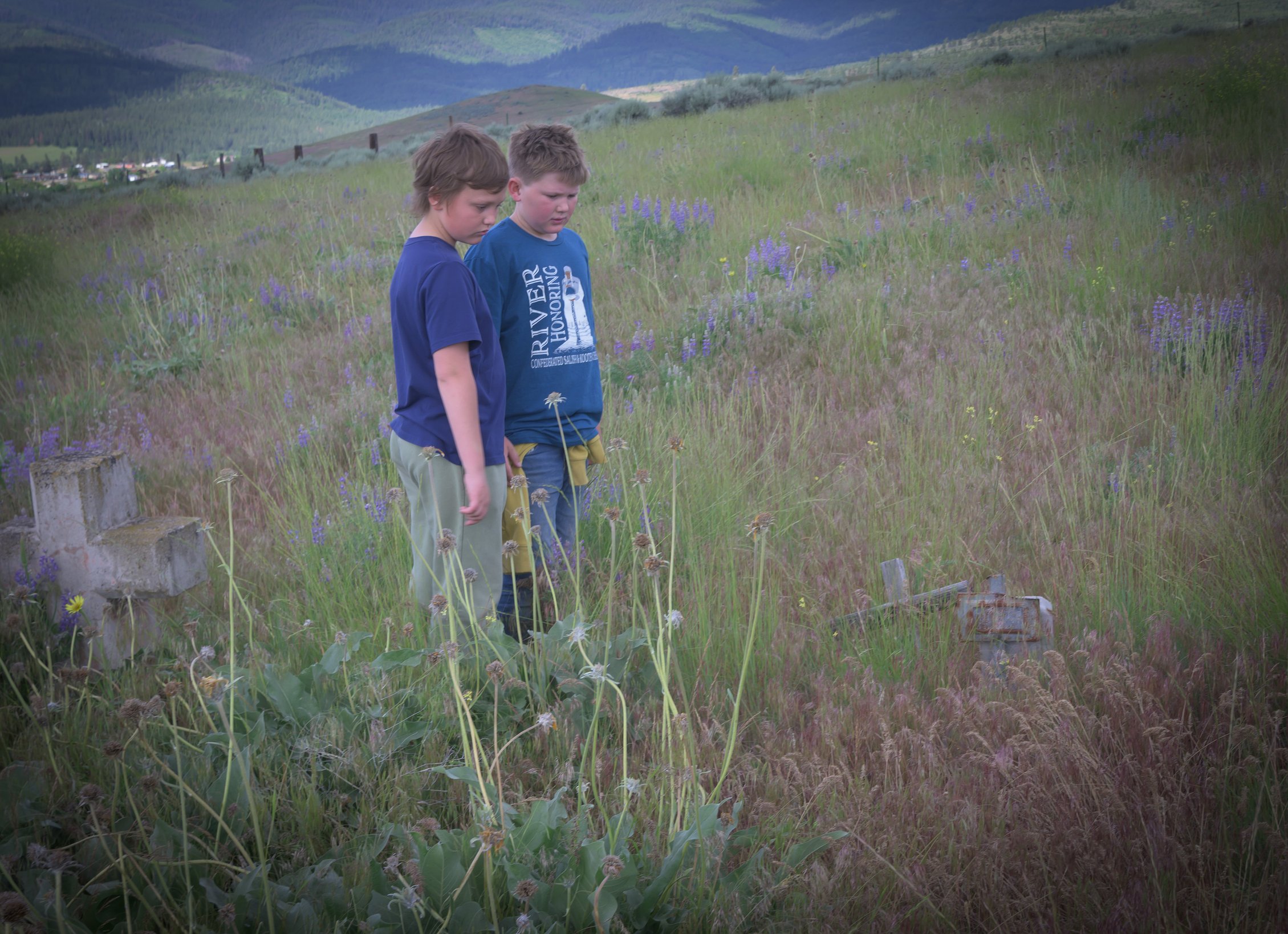 Hot Springs students Keegon McDonald and Davian Harris lean about the Ventling Cemetery in Hot Springs. (Tracy Scott/Valley Press)
Tracy Scott
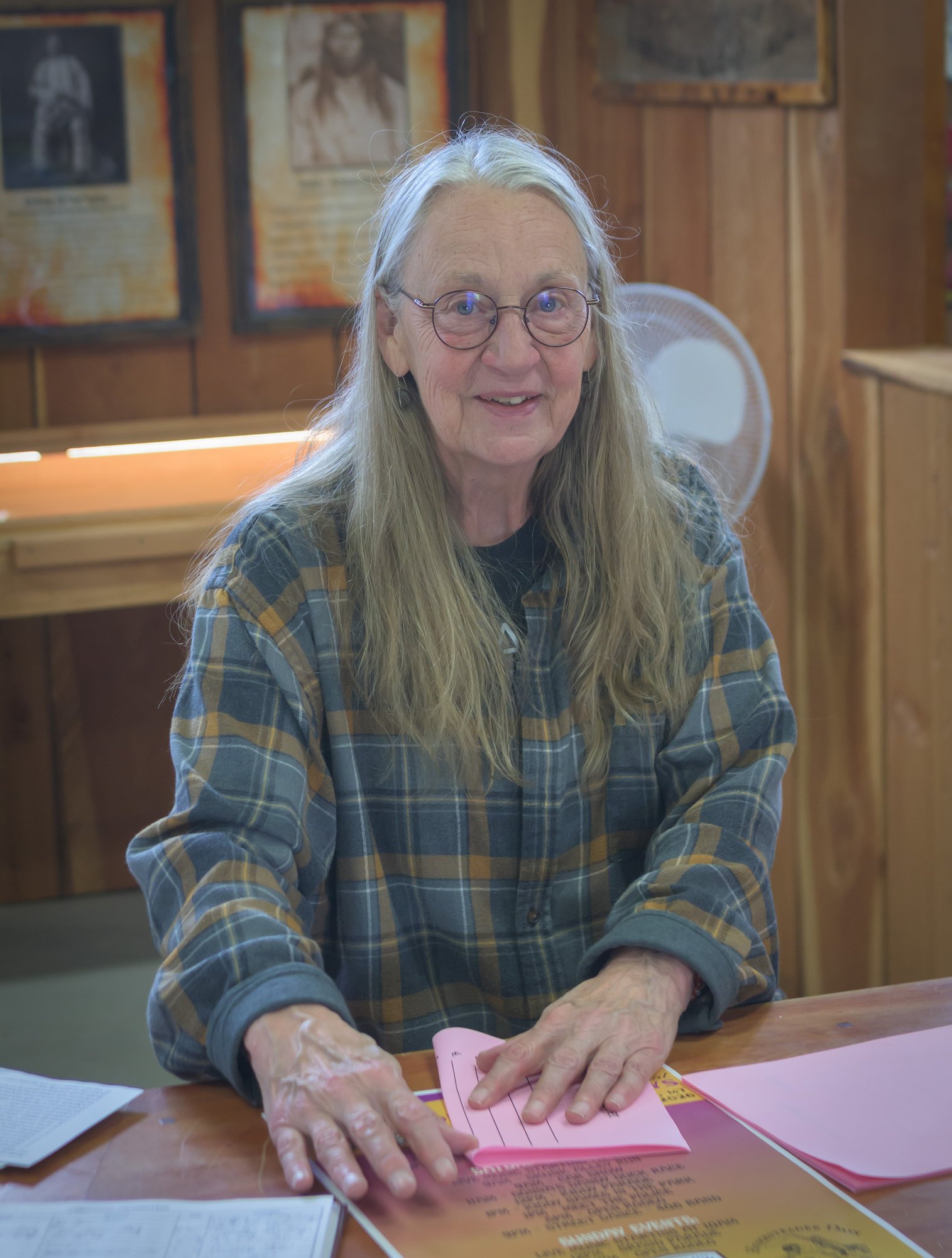 LaRue Hot Springs Museum Director Sher Loberg. (Tracy Scott/Valley Press)
Tracy Scott
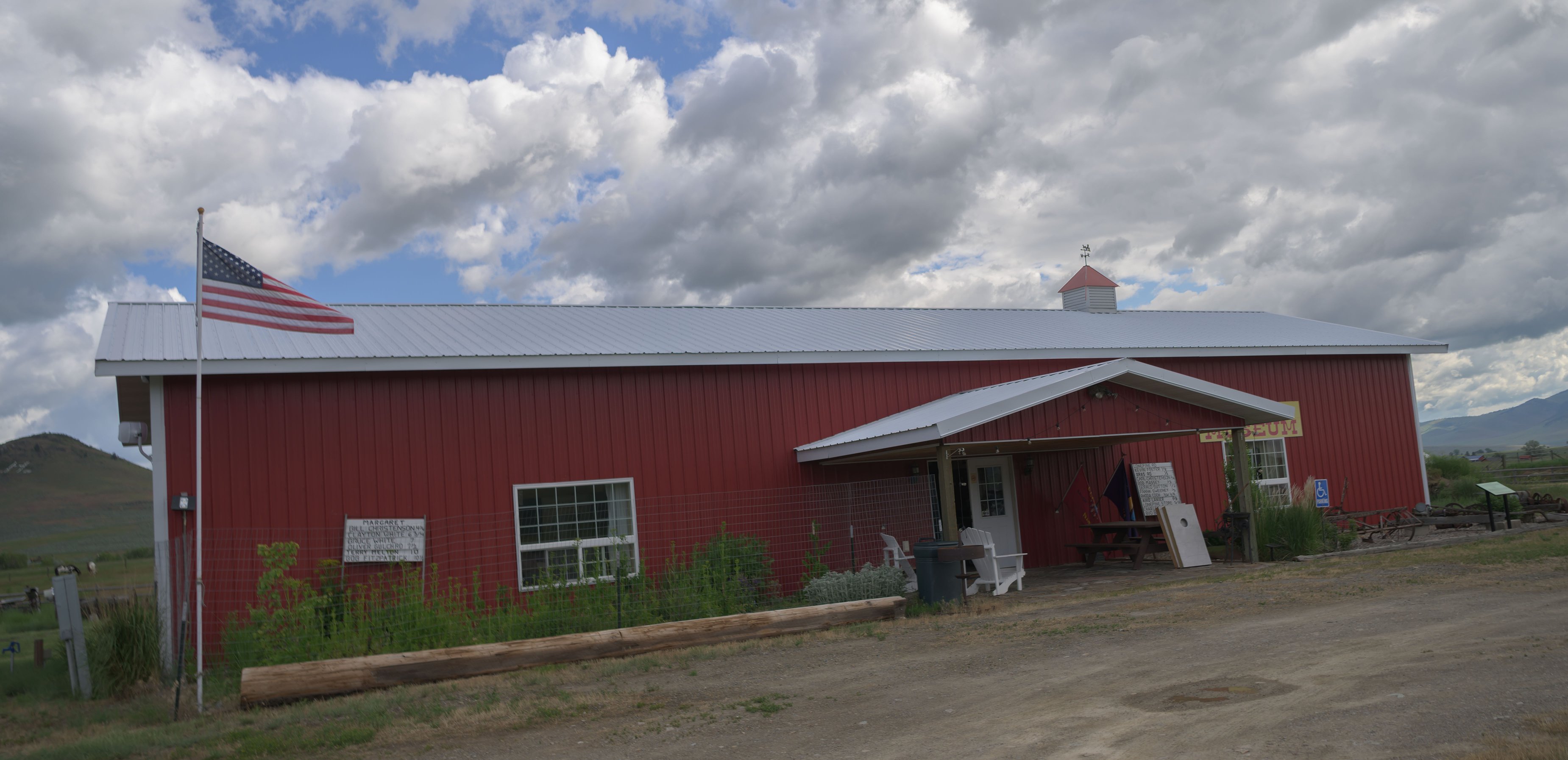 The LaRue Hot Springs Museum. (Tracy Scott/Valley Press)
Tracy Scott