
City living is selling a lifestyle but quietly delivering a mental health crisis to millions
Stephanie Heron | Columbia Basin Herald | UPDATED 3 weeks AGO
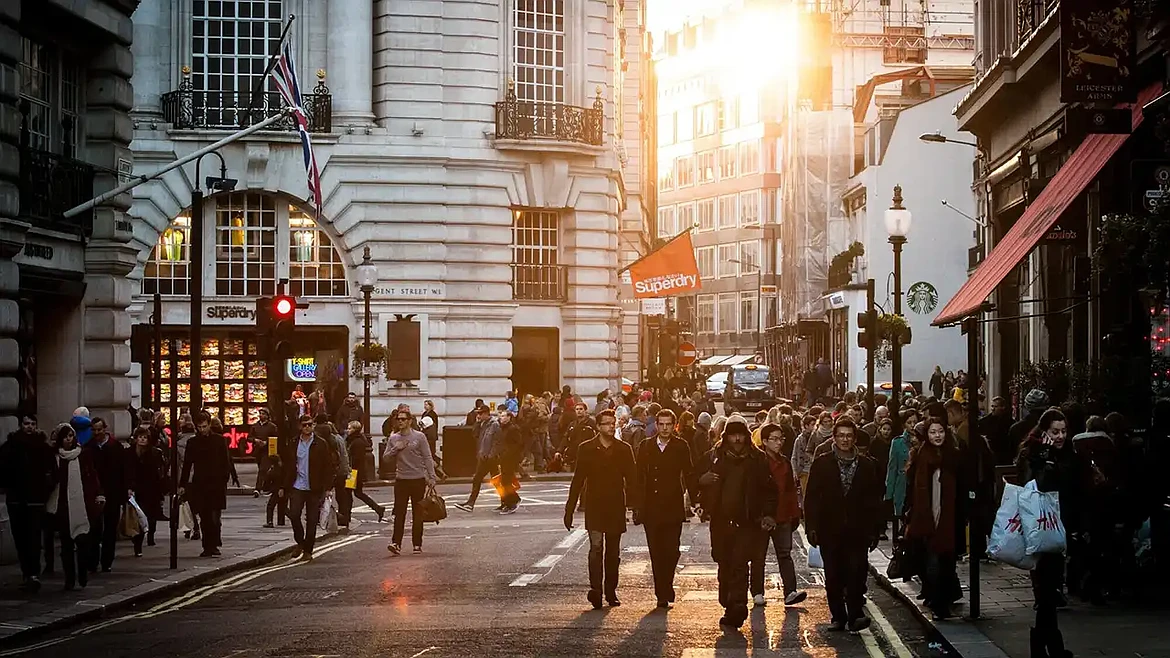
City living is contributing to mental health crises through constant stimulation of urban environments and social isolation in large populations. There are also housing pressures, financial stress, and reduced access to nature and recovery spaces.
According to the National Institute of Mental Health, 23.1% of American adults live with a mental illness, and many others have mental health struggles, too. There are both genetic and environmental factors to mental health, so it can be difficult to address root causes.
While city living is common for many people, it's actually contributing to mental health crises. Below are explanations of the impact of city living on your well-being.
The Constant Stimulation of Urban Environments
There are several urban stress factors when it comes to sensory input. The following can make it difficult for the brain to fully relax:
- Traffic noise
- Crowded sidewalks
- Construction projects
- Bright lights
- Endless notifications
Some people can certainly adapt to these conditions, but prolonged exposure to overstimulation can contribute to elevated stress levels, anxiety, and mental fatigue. Urban environments often provide fewer moments of true stillness, and this can leave people feeling mentally drained.
Is There Social Isolation Amid Large Populations?
A lack of mental wellness in cities is common because residents report feelings of loneliness and social disconnection, even though cities are home to millions of people. The fast-paced lifestyles can make it difficult to build meaningful relationships.
Many city dwellers interact with hundreds of people each day without forming genuine social connections. This paradox of being surrounded by people while feeling alone can have a significant impact on their well-being, which is why they seek out San Francisco mental health services.
Housing Pressures and Financial Stress
One of the biggest city life challenges is the high cost of living. Rising rents, expensive housing markets, and increasing everyday expenses often force people to devote a large portion of their income to basic necessities.
Financial uncertainty can lead to chronic stress, especially for those worried about making rent payments, managing debt, or maintaining a stable standard of living. This persistent financial strain can affect:
- Sleep quality
- Relationships
- Overall emotional well-being
The burden of economic pressure can eventually contribute to higher rates of anxiety, burnout, and other mental health challenges.
Is There Reduced Access to Nature and Recovery Spaces?
Access to green spaces is important for mental health support, yet many city residents have limited opportunities to regularly spend time in natural environments. While parks and recreational areas exist, they're often crowded, difficult to access, or insufficient for the size of the population they serve.
Regular access to restorative environments is essential for urban mental health, so it's important to ensure access to natural spaces as cities continue to grow. This is especially true since the dominance of concrete landscapes, high-rise buildings, and busy roadways can create an environment where mental recovery becomes more difficult.
Mental Health Needs to Be Addressed in City Living
City living can be convenient, but it does come with mental health challenges. Now that we've identified key sources of distress, it's crucial to address them so that you and your household experience a better quality of life.
If you found this post informative, then find more like it by checking out our other pages.
This article was prepared by an independent contributor which helps us continue delivering quality content to our audiences.