
What shopper should understand before choosing organic groceries
Lettecha Johnson | Columbia Basin Herald | UPDATED 3 months, 2 weeks AGO
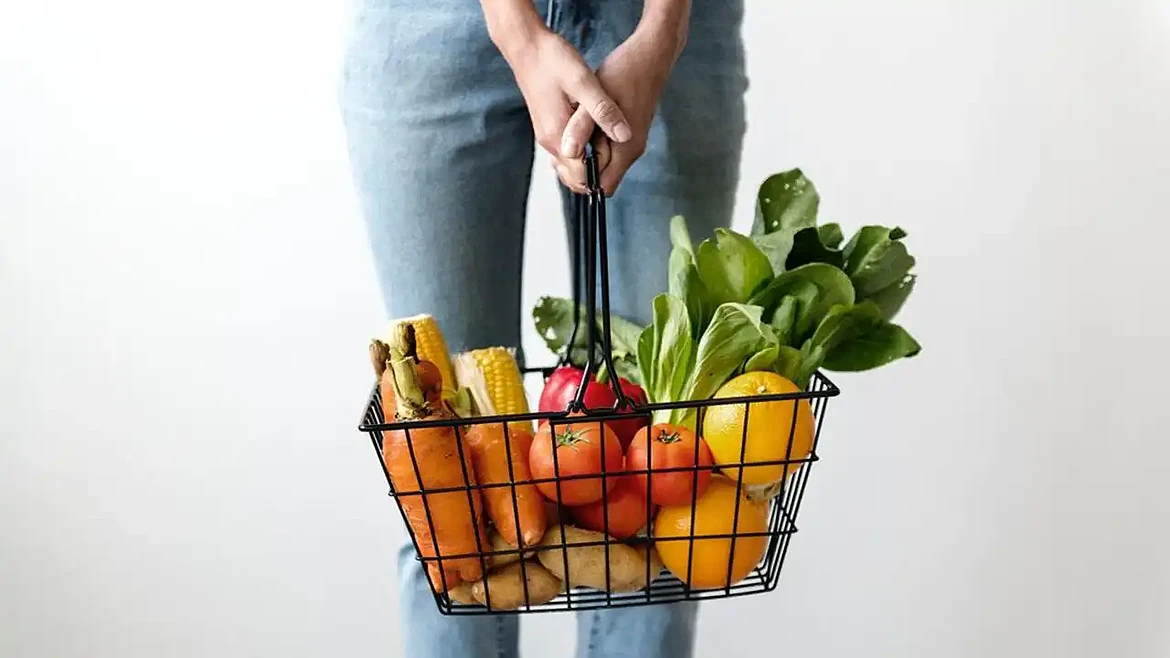
As people care more about preventative health and overall wellness, they're buying more organic groceries. This approach to eating can be more costly in the United States, but shoppers can make smarter choices by focusing on the "dirty dozen" and skipping the "clean 15", choosing organic meats and dairy, and knowing what labels really mean.
The Organic Trade Association reported in 2025 that organic product sales reached nearly $77 billion, with organic food accounting for $70.1 billion of those sales. As people actively try to avoid chemicals and practice sustainability, organic eating naturally fits. Plus, organic food is no longer a niche item but is readily available everywhere.
What Defines Organic Foods?
Organic foods come from farmers using natural and sustainable methods for growing fruits and vegetables. They shouldn't rely on synthetic pesticides or fertilizers. In this case, the soil should be managed through cover crops, crop rotation, and natural manure as opposed to chemical-based ones.
Anything that has been genetically engineered is completely banned from being organic, along with antibiotics and growth hormones.
Myths About Organic Produce
Some organic food misconceptions include the belief that it's automatically:
- Pesticide-free
- Higher nutritional value
- Local
- Same thing as natural
The term "natural" doesn't have a strictly regulated definition for most food, as it means something that comes from nature. However, the term "USDA organic" requires strict federal certification to have this label.
Why Do People Buy Organic Groceries?
Avoiding artificial ingredients and GMOs is one of the top benefits of getting organic groceries from Windmill Farms Market. As more people focus on preventative health and overall wellness, which involves cleaner eating, many people view organic diets as a way to reduce toxicity. Minimizing the risk of chemical residue may lower your risk of certain cancers, according to some studies.
As people focus on environmental sustainability, they also prefer organic practices that conserve soil and water quality. Organic farming can promote biodiversity and protect pollinators from harmful synthetic chemicals that are contributing to their endangerment.
What Should You Look for When Organic Shopping?
Understanding organic labels matters as there are different classifications. Something can still be labeled organic with 95% organic ingredients. 100% organic means something is completely made with organic ingredients and processing aids.
When the label says "made with organic ingredients," it means it contains at least 70% organic ingredients, but can't officially carry the USDA organic seal.
Clean 15 Versus the Dirty Dozen
The "Dirty Dozen" refers to conventionally grown produce known to have the highest levels of pesticide residue by weight.
Some of them include:
- Strawberries
- Kale
- Collard greens
- Grapes
- Nectarines
- Peaches
- Cherries
- Apples
- Blackberries
- Pears
- Blueberries
Start your organic produce shopping with items from the dirty dozen list. On the other hand, the "Clean 15" list of produce, which includes papayas and corn, has the lowest amount of pesticide residue.
Become Informed About Organic Living
Buying organic groceries may be the first step to reducing the toxicity in your diet and living a more sustainable lifestyle. However, you can shop smartly by understanding when it's best to buy organic produce and when it doesn't matter, so you can save money. Plus, a 100% organic label isn't automatically the same as something being natural.
Eat up some more knowledge on our website and review other health articles.
This article was prepared by an independent contributor which helps us continue delivering quality content to our audiences.