
Modern house design is evolving to meet changing lifestyles
Amy Kang | Bonner County Daily Bee | UPDATED 2 weeks, 5 days AGO
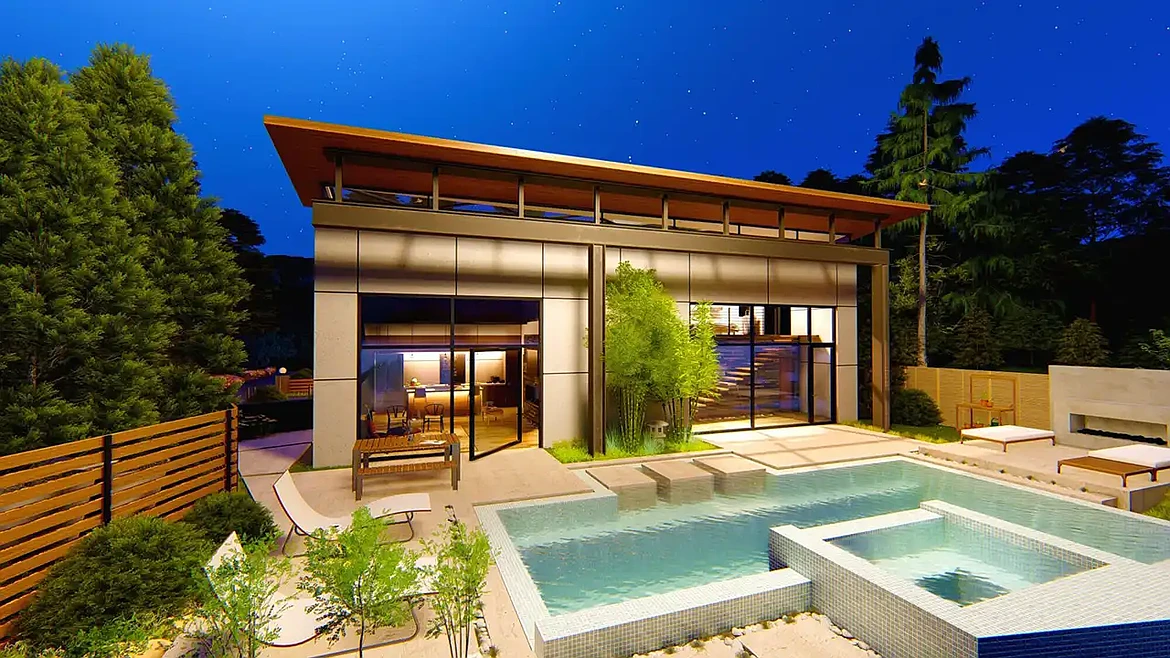
Building a modern house in this decade is more about how your home fits into your daily life and less about a single fixed style. The aesthetics still matter, but flexibility, comfort, and lower running costs now dictate most design choices. The new baseline for building a modern home is open layouts, smart energy systems, and natural lighting.
According to Harvard's Joint Center for Housing Studies, remodeling spending is set to reach a record $524 billion in early 2026. Homeowners are putting their money into remodeling their homes rather than moving.
Lifestyle changes, such as working from home or hosting functions, require flexible rooms that adapt to their daily needs. An extra bedroom could serve as a home office by day and a guest room at night.
Older homes built in a different era are also being revamped to meet family needs. Get inspired by innovative solutions for your dream home on our site!
What Defines a Modern House Today?
A modern house prioritizes function and comfort first. The actual goal is to build a home that feels open and easy to live in, with a clean look. Simple lines, natural light, and smart use of space define the style more than any trend.
According to the National Association of Realtors, contemporary architecture has changed over the years; soft, organic, and curved shapes have started to replace sharp corners in many new builds. Natural stone and warm wood now soften the old all-white palette.
All these features make your home feel larger without adding square footage. Indoor-outdoor transition is also a big part of modern design. Covered patios, wide glass windows, and indoor plants help blur the line between inside and out.
Coordinating textured finishes and earthy tones adds a calm, grounded feel to your home.
Are Today's Homes Becoming More Sustainable?
A sustainable home design has become a top priority for modern buildings. This has been due to high utility costs and increased focus on health.
As the interest in clean energy increases. A recent Pew Research survey suggests that about one in three homeowners said they had installed solar panels or were seriously considering it. Homeowners are now pairing solar with efficient appliances and better insulation to cut daily waste.
Common green upgrades in modern homes include:
- Energy-efficient windows and doors
- Added insulation and air sealing
- Smart thermostats and lighting
- Low-flow, water-saving fixtures
- Solar-ready wiring
Each upgrade trims monthly costs and shrinks a home's footprint over time.
Builders are now treating efficiency as an option, and low technology costs have made these features easy to afford. The type of material used also matters. Low-chemical paints, good airflow, and natural light all support better indoor air quality.
How Can You Make Your Home More Modern?
To modernize your home, you do not need a full rebuild. Small, smart changes can refresh your space, and you can do them on the weekend on a fair budget.
Elevate your adaptive living spaces; this offers you more use from the same footprint. Innovative interior design often means cleaner sightlines, better storage, and lighting that shifts with the time of day.
Budget-friendly updates that make a real difference:
- Fresh, neutral wall paint
- Layered, modern lighting
- Open shelving instead of bulky cabinets
- Smart switches and plugs
- Decluttered, multi-use furniture
Even a few of these swaps can make an older home feel current and bright.
Even without a major project, adding smart technology such as a learning thermostat, app-based lighting, and a video doorbell can enhance your space. You can set these devices up in minutes and control them from a single phone app.
Bigger jobs call for more planning. When tackling a kitchen or bath remodel, working with a trusted home remodeling company helps you avoid costly mistakes and comply with local codes. A skilled team turns a rough idea into a finished space that fits how you live.
Frequently Asked Questions
What Is the Difference Between Modern and Contemporary Design?
Modern design refers to a specific style rooted in the mid-20th century, with clean lines and simple forms. Contemporary design is more fluid and simply reflects what is popular right now, so it shifts over time. Many homes today blend both, mixing timeless modern bones with current colors and textures.
How Much Does It Cost to Modernize a Home?
Costs vary widely based on scope, materials, and your region. A light refresh with paint, lighting, and fixtures might cost a few thousand dollars, while a full kitchen or bath remodel often runs into the tens of thousands. Setting a clear budget and priority list before you start keeps spending under control.
Which Modern Updates Add the Most Resale Value?
Kitchens and bathrooms tend to deliver the strongest returns, since buyers focus heavily on these rooms. Energy-efficient upgrades and added storage also appeal to today's buyers and can speed up a sale. Neutral, flexible spaces usually sell faster than bold, highly personal designs.
Do Modern Homes Need More Upkeep?
Not usually, and many modern features actually lower maintenance. Durable materials, efficient systems, and simple layouts often mean fewer repairs over the years. Smart sensors can even flag a small problem, like a leak, before it grows into a big one.
Are Open Floor Plans Still Popular?
Open layouts remain in demand, but the trend is softening toward defined zones. Many owners now want a mostly open space with a quiet nook or two for work and calls. Half-walls, glass partitions, and smart furniture placement can split a room without closing it off.
Designing a Home That Grows With You
Owning a modern house is no longer about one fixed look. Your home should be able to adapt to your lifestyle, save you money, and feel good to be in. Open layouts, smart systems, and sustainable choices all point in the same direction: lasting comfort.
Start with one room, focus on light and flow, and build from there. Small wins also build momentum toward the home you really want. Each project adds comfort and value you can feel every day.
Subscribe to our newsletter today to discover more future home trends!
This article was prepared by an independent contributor which helps us continue delivering quality content to our audiences.