
Edible treasures you may be overlooking in your garden
CANDACE GODWIN/Gardening at the Coop | Coeur d'Alene Press | UPDATED 1 day, 7 hours AGO
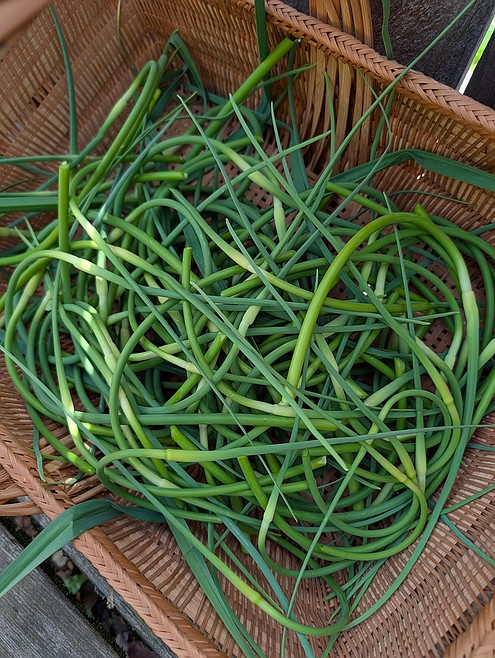
Garlic scapes are the flower stalks of hardneck garlic varieties—and they are delicious.
Candace Godwin photos
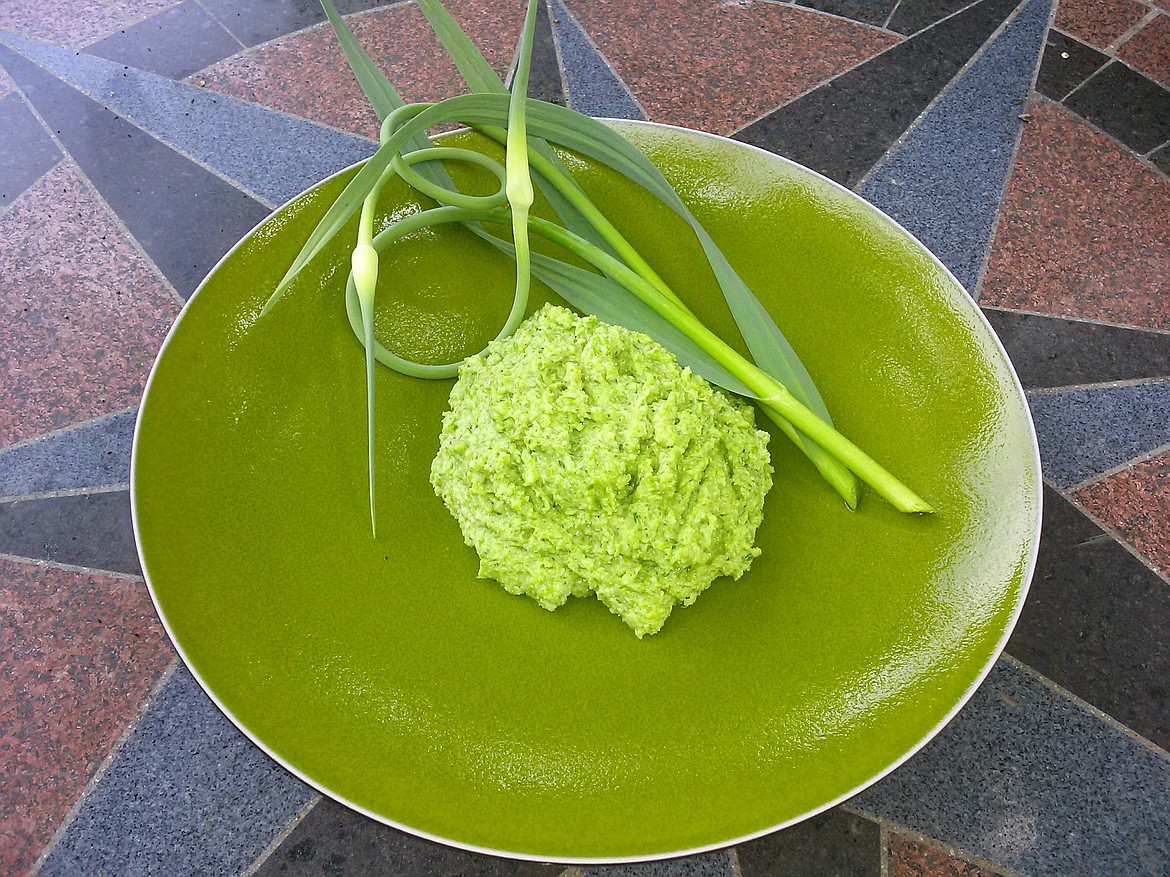
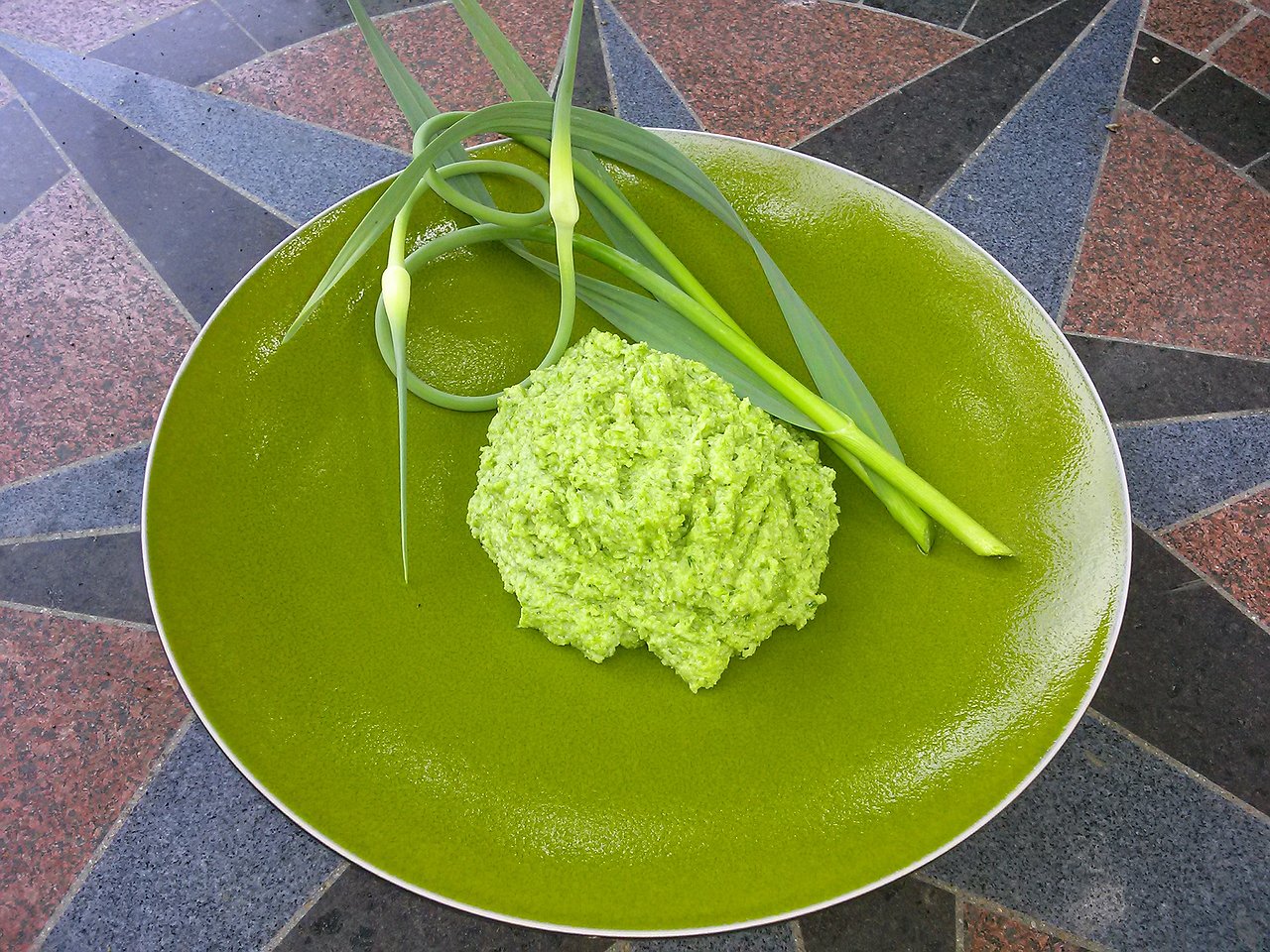
Garlic scape pesto is easy to make and is a gourmet delight.
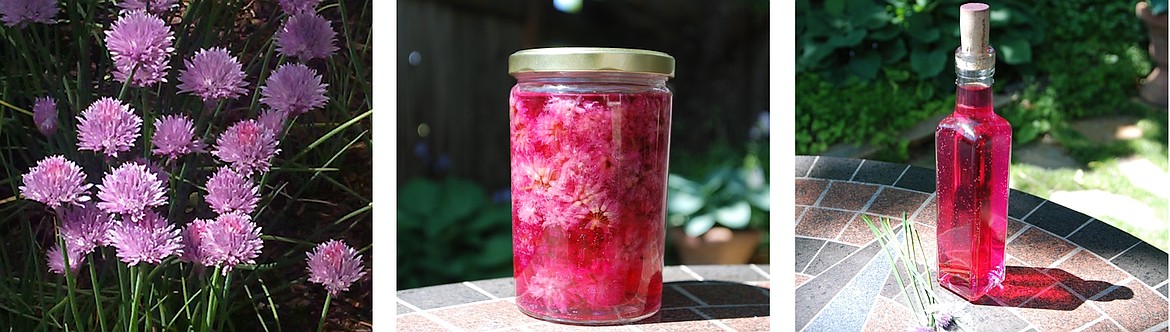
The deep magenta color of the chive blossom vinegar is stunning and perfect for salad dressings.
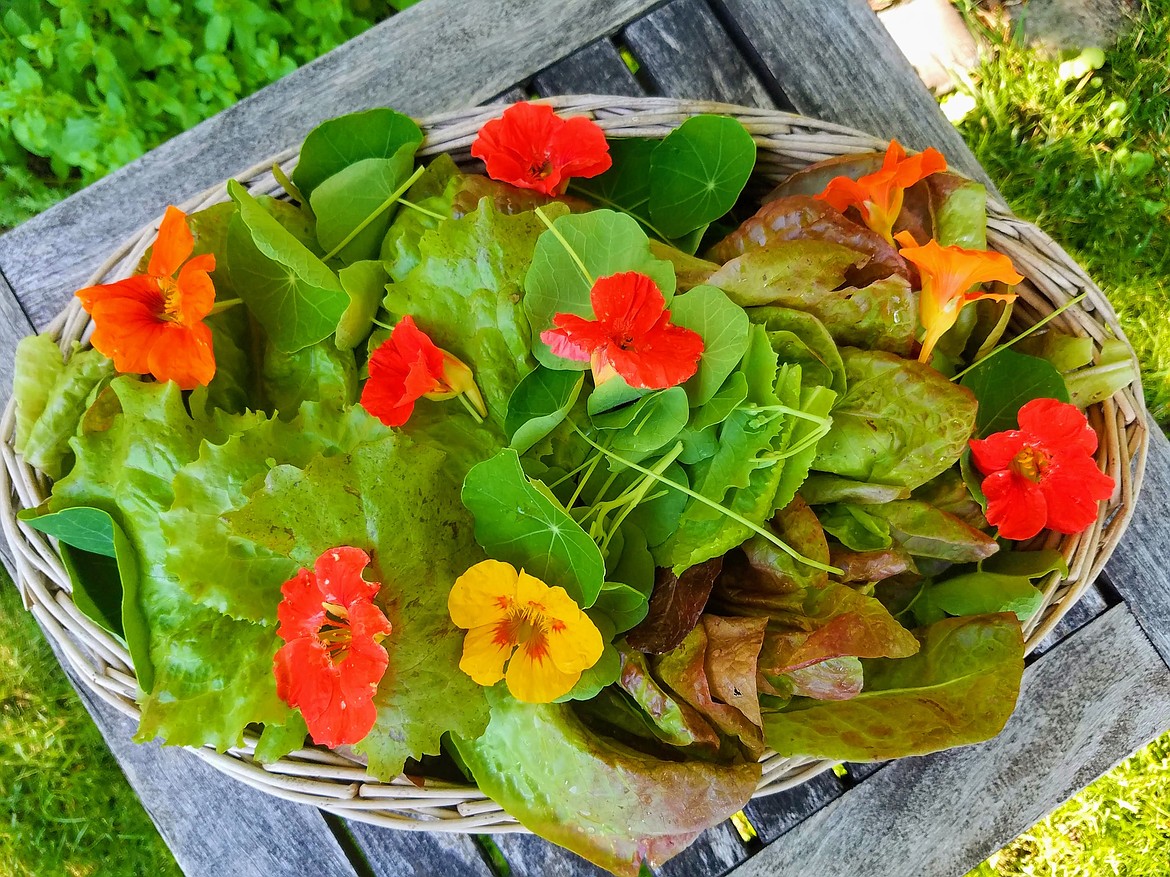
The cheery red, orange, and yellow flowers of the nasturtium will elevate any salad.
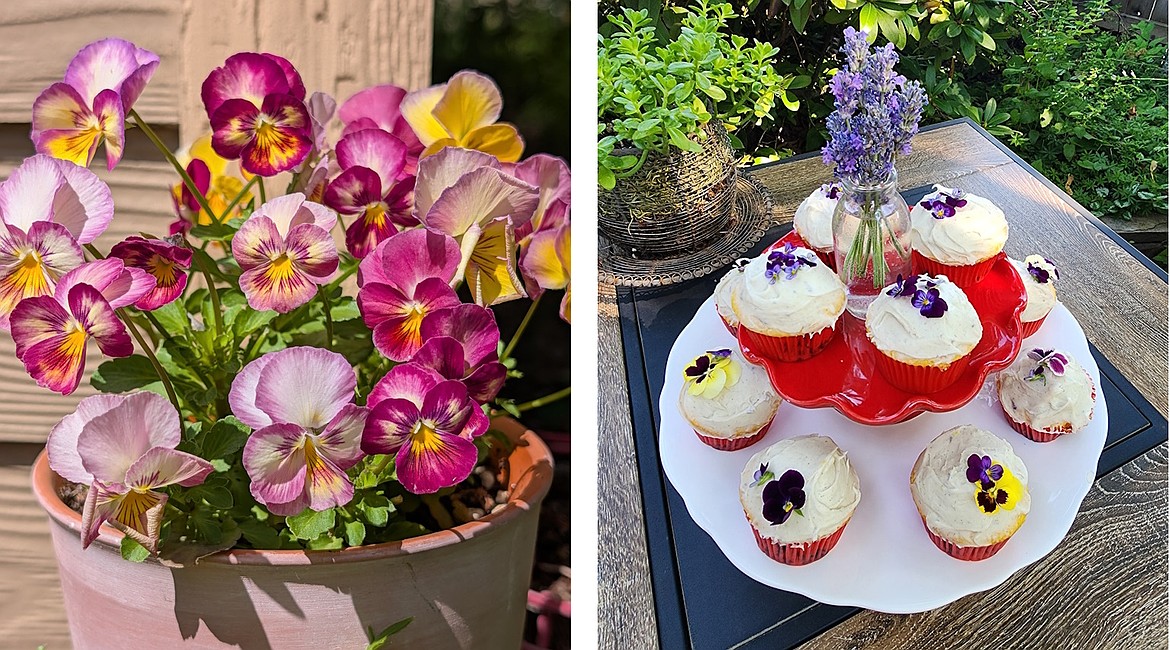
Pansies are pretty in the pot and on the plate.
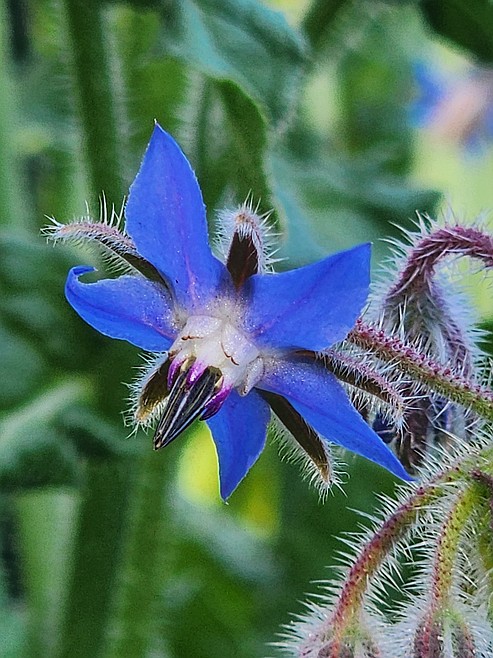
Borage, somewhere between a flower and an herb, has flowers that taste like cucumbers
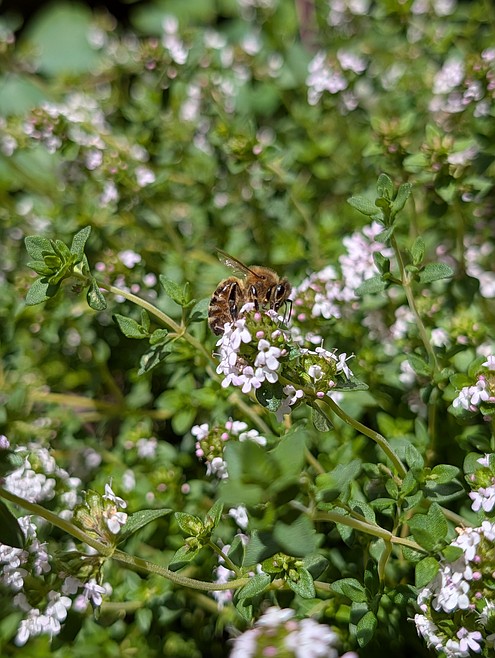
Both herb leaves and flowers, like this thyme, can be incorporated into butter, salts, water, or ice
Most people’s idea of "edible gardening" involves growing vegetables and fruit like tomatoes, peppers, beans, and strawberries.
However, some of the most intriguing foods in your garden may never reach your dinner plate — overlooked simply because you don't realize they're edible.
From flowers that taste like cucumbers and oniony herb blossoms to plant parts that are often tossed away, there's a surprising harvest waiting beyond the vegetable patch.
So, before you compost it … or deadhead it … or walk past it — explore these unusual but tasty garden treats, along with a few ways to use them.
Garlic Scapes: The Bonus Harvest
If you are growing hardneck garlic, you’re no doubt familiar with the curly flower stalks that sprout from the plant, typically in early June. If left in place, the garlic plant will flower and expend its energy producing tiny bulbils, or garlic “seeds.”
But to produce fat, juicy garlic bulbs, the scape should be pinched or cut off, redirecting energy back into the bulb. Whatever you do, don’t toss them into the compost. Garlic scapes are a gourmet delight and the bonus harvest from your garlic crop.
Even if you’re not growing garlic, you’ll likely find garlic scapes at the farmers market this time of year.
Scapes are a fleeting delicacy prized for their mild garlic flavor — much less pungent than cloves. They make an exceptional pesto that stays bright green, or toss them into stir-fries, grill them, sauté them with other veggies or make a compound “garlic” butter.
Chive Blossoms: Pretty and Practical
Everyone knows chopped chives are one of the best toppings for baked potatoes. But what about chive flowers? These are frequently ignored in favor of the tender green stems, but you're really missing out. These cheerful, edible pom-poms have a subtle onion flavor and a vibrant purple hue. Like other edible flowers, they add an unexpected splash of color to a green salad.
Use them whole or separate the florets to garnish potato salad and deviled eggs, or use them in a beautiful compound butter.
One of my favorite things to make is chive-blossom vinegar. The deep magenta color of the steeped vinegar is stunning and perfect for salad dressings.
It’s easy, too: rinse the blossoms, dry them in a salad spinner, pack them into a sterilized jar, then heat white or champagne vinegar to a simmer and pour it over the blossoms. Cap the jar and let it steep in a cool, dark place for at least a week. Strain the vinegar into a sterilized bottle and enjoy. It's one of the prettiest kitchen projects you'll ever make.
Nasturtiums: Beauty With a Bite
Nasturtiums are among the hardest-working flowers in the garden. Their jewel-colored blooms are a major draw for pollinators, but they also pull double duty as a trap crop for aphids — keeping the little buggers off your more valuable veggie plants.
Then there's their three-way edible value: flowers, leaves and seed pods. If you are a lover of arugula, you’ll certainly enjoy the peppery taste of nasturtium flowers and leaves. Smaller leaves are more tender, but all can be used to spice up a salad or sandwich, or as a garnish.
When pickled, the green, immature seed pods are known as poor man’s capers — with a similar taste and texture.
Edible Flowers Beyond Pansies
If you’ve ever picked up a summer lifestyle magazine, you’re certain to have seen sweet pansies and violas gracing everything from cupcakes to cocktails — and now you can add nasturtiums to your list. But they're far from the only edible blossoms growing in the garden.
However, before you rush into a taste test of your landscaping, keep in mind that not all flowers are edible, and never consume a flower unless you are certain of its identity. Only eat those that have been grown organically and are free from pesticides or herbicides, and avoid eating florist flowers.
With that common-sense warning in place, let’s explore a few tasty flowers that are probably growing in your garden right now:
Dianthus petals have a sweet, clove-like flavor and are perfect for desserts, salads, and cocktails. Discard the bitter white base.
Calendula petals can substitute for saffron in rice dishes and broths while adding a bright splash of color to salads and desserts.
Marigolds add citrusy or spicy notes (depending on variety) to salads and desserts.
Petals can also be dried for tea.
Snapdragon flowers are more beautiful than they are flavorful, but they make stunning additions to salads, charcuterie boards and drinks. Your summer party just got a glow-up.
Lavender adds sweet floral notes to baked goods, syrups, teas and lemonade. It also shines in homemade Herbes de Provence blends.
Borage, the bee magnet, pulls pollinators in from around the garden. But they aren’t the only ones to enjoy the striking blue flowers. With its mild cucumber flavor, borage blossoms are the summertime garnish of choice for salads and ice cubes. It’s easy to grow, blooms all summer long, and reseeds just enough to make you feel successful without becoming a menace.
Herbs: Not Just for Drying
We often think of herbs only as added ingredients, but they are surprisingly versatile beyond the crumbly, dried leaves in your spice cabinet.
Butters: One of the best ways to bring out fresh herb flavor is to make herb butters. Along with chives and their blossoms, try basil, dill, or parsley. They're delicious on
bread, vegetables, meat, and seafood—and make wonderful hostess gifts.
Salts: Mixing crushed herbs with kosher salt is an easy way to boost your cooking with fresh herb flavor. Rosemary, sage, thyme, oregano or a blend can bring a taste of summer back to winter meals.
Flavored Water: Nothing beats a flavored herb water on a hot day. Mint is the standard, but don't stop there. Explore the flavors of basils — like Thai, lemon or lime — or lemon balm.
Ice Cubes: One way to up your cocktail hour is with herb (or flower) ice cubes. Place
herb flowers and leaves in an ice mold, cover with water and freeze. It’s an instant
upgrade.
The Unexpected Pleasures and Treasures in the Garden
Gardening isn't just about growing food — it's about discovering new ways to enjoy what you grow.
This summer, before you toss those garlic scapes, deadhead the chive blossoms, or walk past a patch of nasturtiums, take a second look.
Some of the most interesting flavors in the garden aren't hiding among the tomatoes and peppers. They're tucked in flowers, herbs and unexpected plant parts we've overlooked all along — a hidden abundance waiting to be discovered.
Who knows? Your next favorite harvest might be the one you didn't plan to eat.
• • •
Candace Godwin is a certified Idaho Master Gardener, garden consultant, writer and owner of The Coeur d’Alene Coop (thecoeurdalenecoop.com), a licensed nursery offering seasonal online plant sales.
 Garlic scape pesto is easy to make and is a gourmet delight.
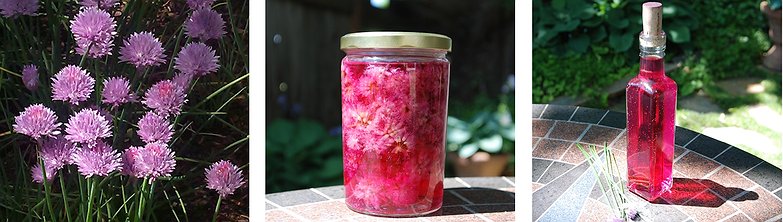 The deep magenta color of the chive blossom vinegar is stunning and perfect for salad dressings.
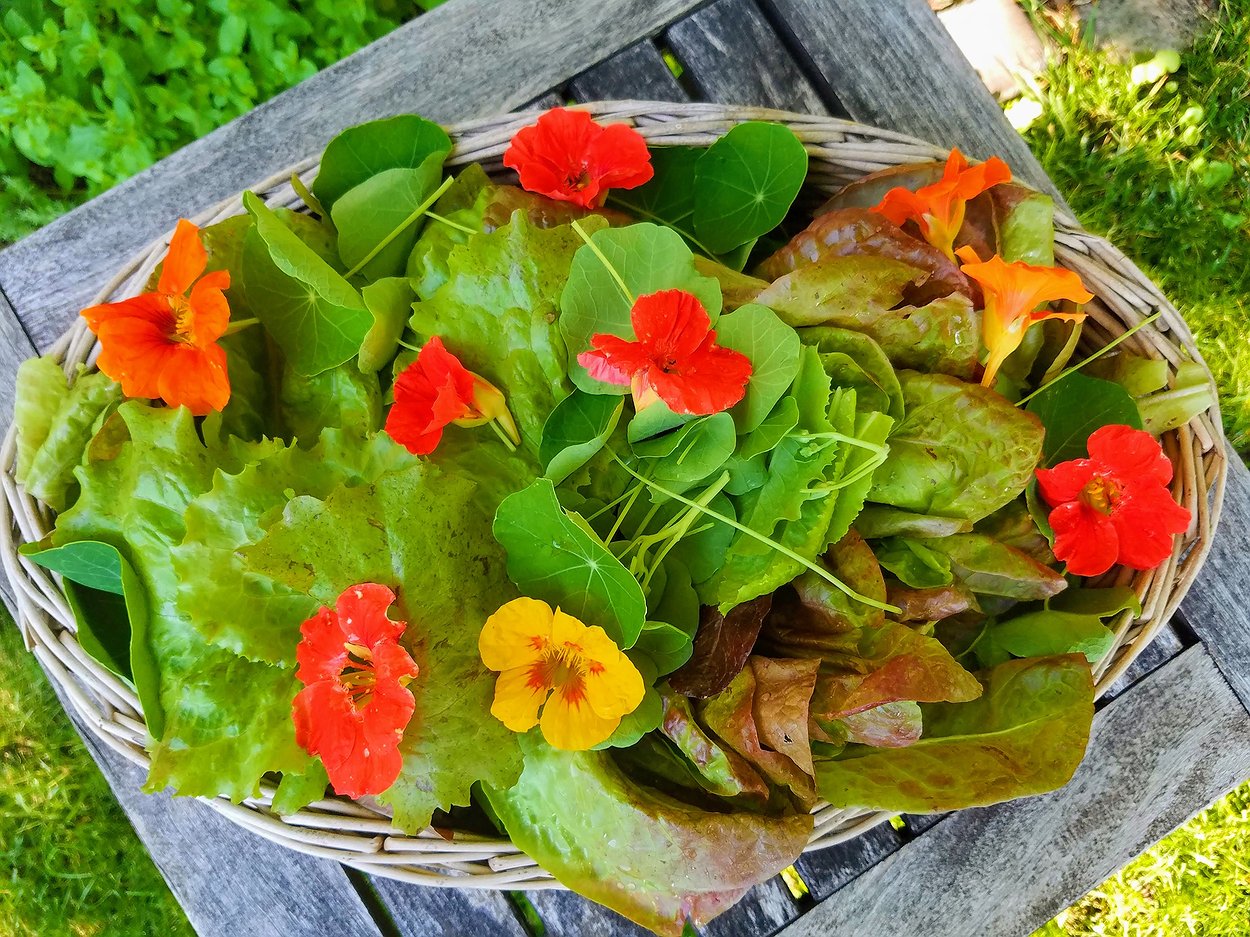 The cheery red, orange, and yellow flowers of the nasturtium will elevate any salad.
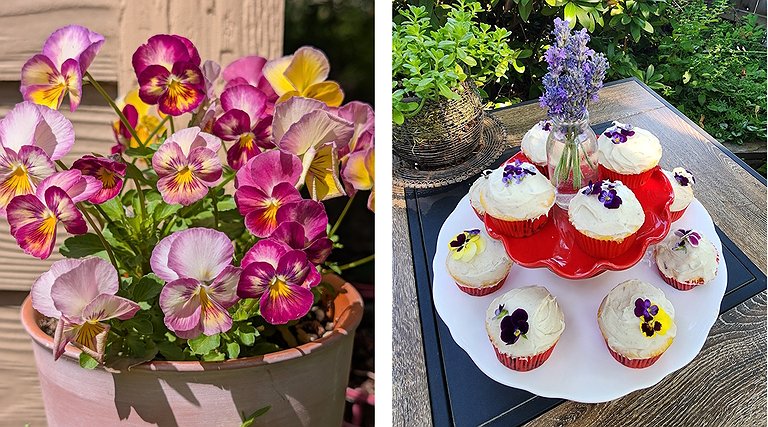 Pansies are pretty in the pot and on the plate.
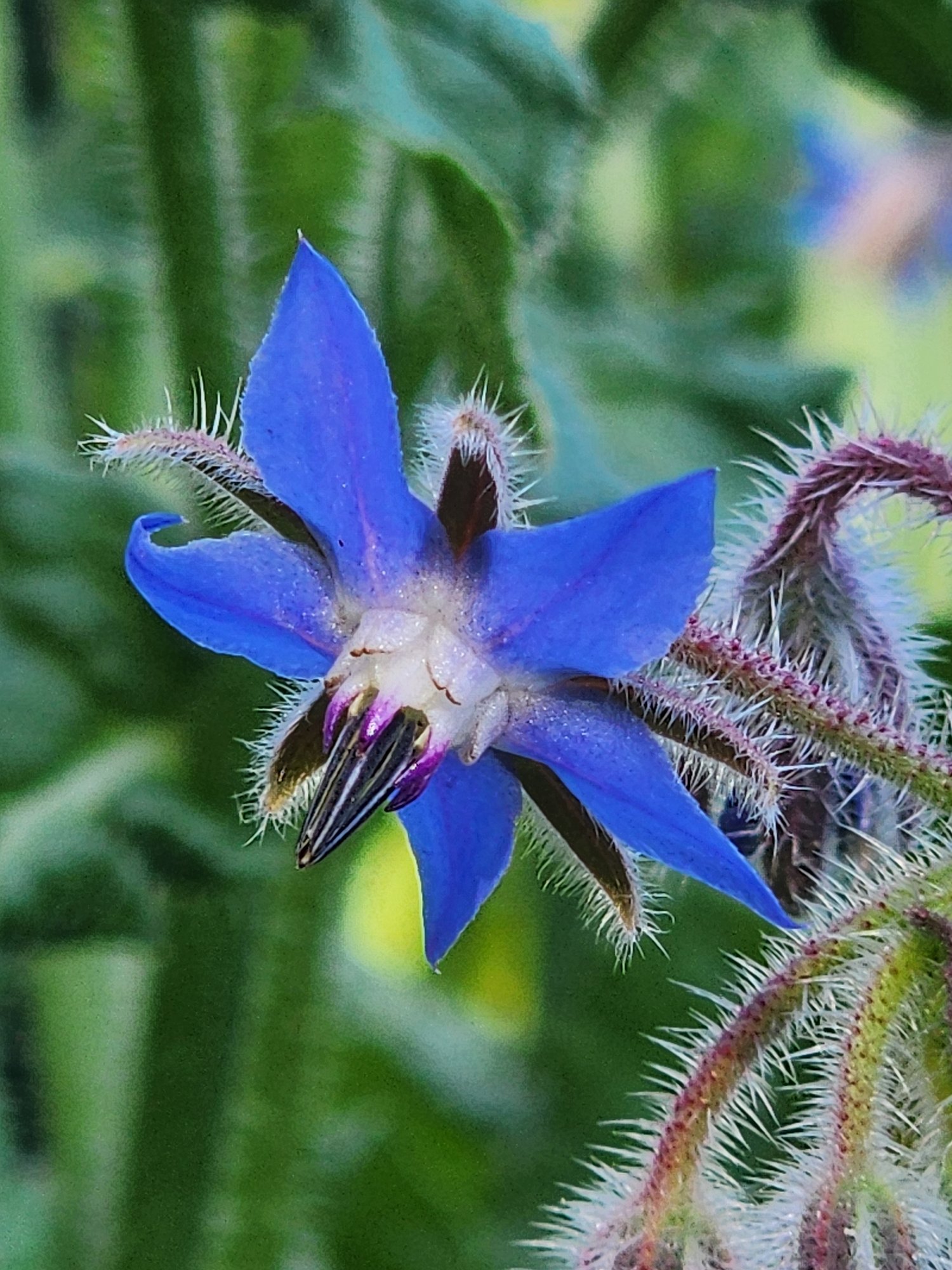 Borage, somewhere between a flower and an herb, has flowers that taste like cucumbers
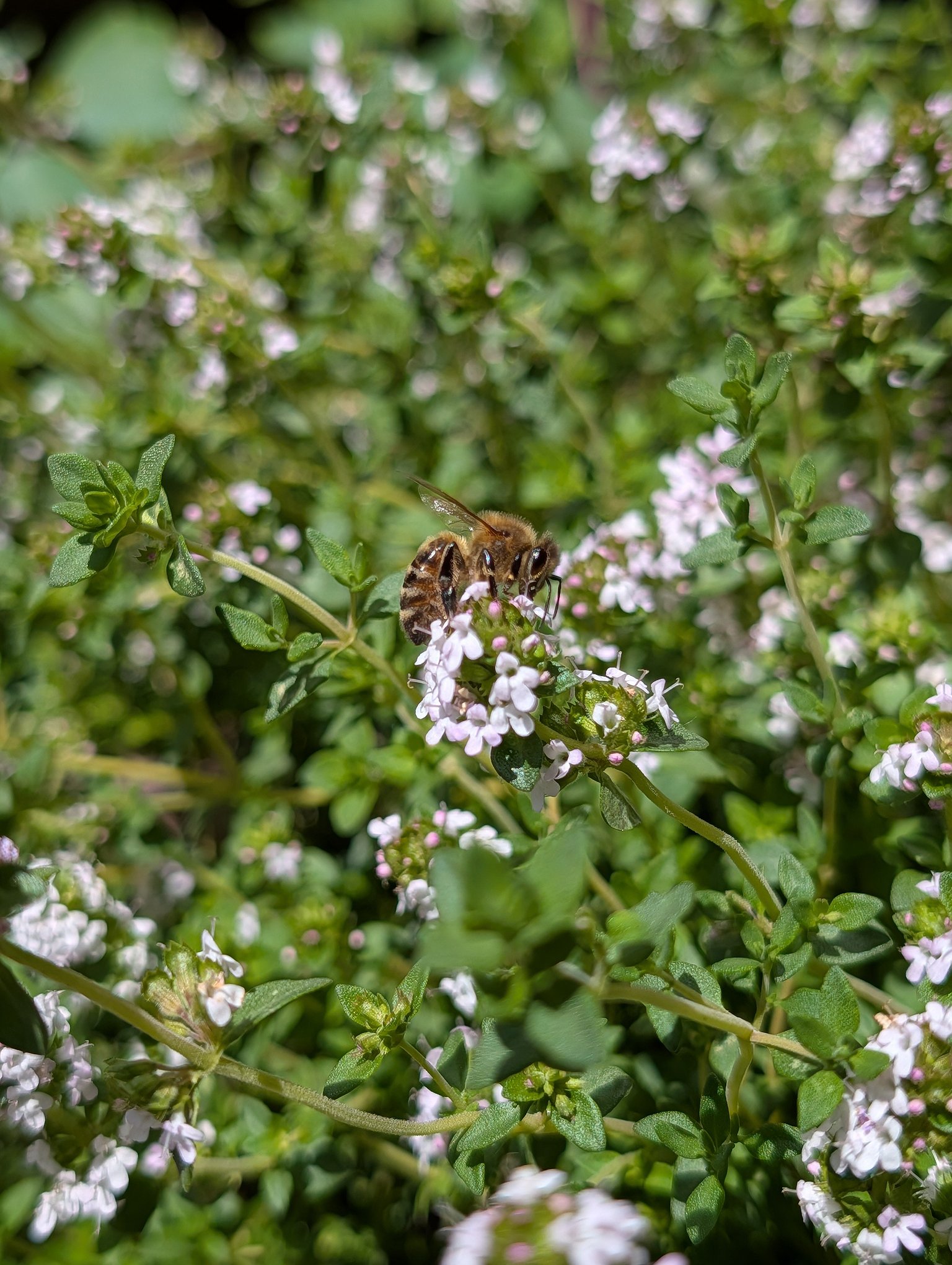 Both herb leaves and flowers, like this thyme, can be incorporated into butter, salts, water, or ice