
Text to image AI is fueling a generation of one-person brands
Lettecha Johnson | Bonner County Daily Bee | UPDATED 6 hours, 43 minutes AGO
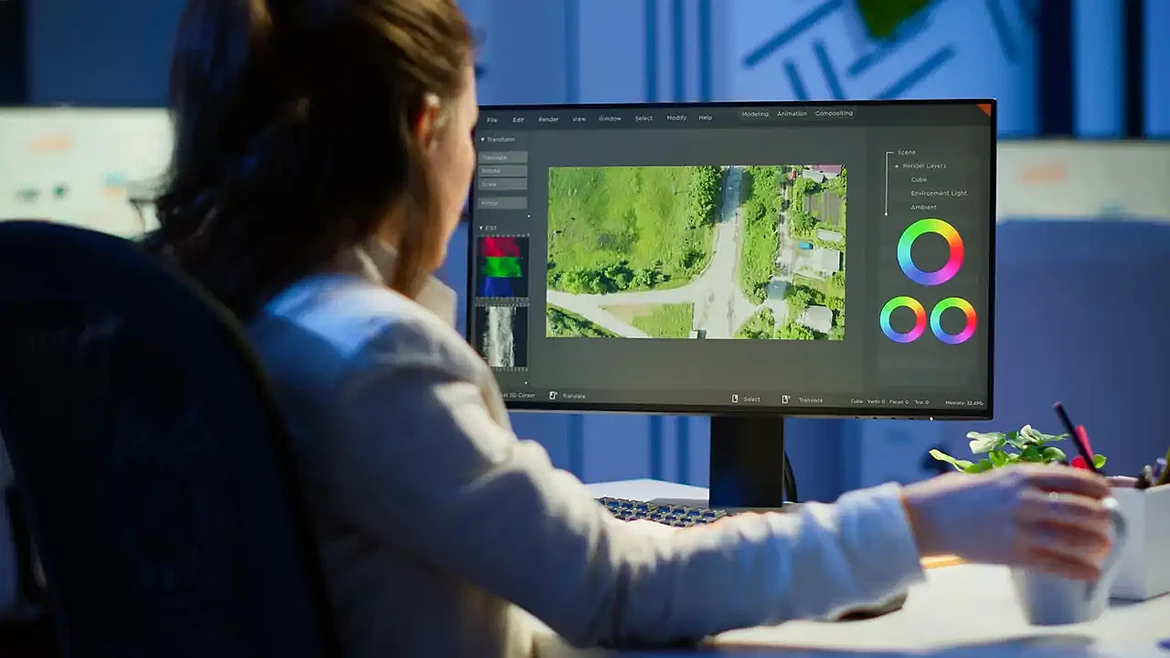
Solo business operators are using text-to-image AI tools to create logos and brand kits without hiring a design team. This allows them to create high-converting visual advertisements for placement on major platforms, from Google to LinkedIn, from one prompt. Creators can avoid a cheap stock photo look with these images thanks to techniques like layering and editing in programs like Midjourney and Adobe Firefly.
AI-generated images are no longer just a very techy trend. They are quickly becoming a very serious business tool for entrepreneurs needing professional visuals without the cost of a full creative team.
Statista reported that OpenAI's gpt-image-1.5-high-fidelity model was ranked as the very best text-to-image AI creator in 2026. Regardless of the AI platform, solo business owners are using these accessible tools to maintain control over their visual identity while saving money and time.
What Is the Advantage of Text-to-Image AI?
A solo founder using a text-to-image generator can use a single prompt to avoid photo shoots that may be over their time and budget at the moment. They could also bypass stock photo subscriptions.
If they don't have the budget for a graphic designer or specialized camera equipment, they could use this AI option for significant cost savings. Polished visuals can be available in seconds to quickly capitalize on trends.
Solo owners can help keep their website and other social tools flowing with topical content. In a few clicks, a solopreneur can generate unique brand-specific imagery that aligns with messaging, which stock photos may not be able to replicate.
If the first photo doesn't work, no problem. Users can easily get multiple iterations of the same image by switching up their prompt. As a result, they can produce many images for different channels and campaigns without losing the parenting style.
What Are Some AI Tools for a Small Business?
If you're looking to create social media posts or flyers, your best bet is using Canva. Use it to generate images, resize them, and add text in one user-friendly collaborative workspace.
It's easy to upscale and add other users to your Canva profile, depending on your subscription tier.
You can use Adobe Firefly, which integrates effortlessly with Adobe Express. You can create custom text effects alongside your visuals. The program is also trained on licensed Adobe stock images.
If you need more realistic images, Midjourney is your best fit. People often use this program for creating lifestyle or product shots.
When you want to revise existing images, use Gemini 3 Pro Image.
How Do AI Marketing Tools Work for Small Creators?
Once you find your trending keywords through SEO-word-focused tools, you can start to brainstorm what video topics or other posts you want to make. Creators can use a short-form auto-editing tool like Submagic to quickly edit raw long-form videos by automatically trimming silences and generating title hooks.
AI tools can help you turn one piece of content into several others. For example, it can help you turn a blog post or YouTube video into social media snippets. You could also use advanced software to create automated chatbot responses on your social media platforms or website.
What Should Solo Founders Be Cautious of With AI Design Tools?
AI models often scrape millions of images and outputs, inadvertently mirroring existing proprietary designs. When using any AI image generator, consider using your own assets if possible, as certain tools may generate legally unprotected images, which could expose you to copyright disputes.
You should also be aware of the terms of service when using an AI design tool. Doing so ensures that you know whether you or the platform producing the output maintains ownership.
When using an AI tool, you may want to maintain documentation of your design process in case a copyright claim does come up.
Frequently Asked Questions
What Is the 30% Rule for AI?
This rule provides a guideline for using artificial intelligence for productivity. It states that 70% of your routine repetitive work can be done by AI tools.
The other 30% of your more creative high-value work, especially those that require ethical judgment, should be up to human labor. In the workplace, this rule may prevent employee burnout and help maintain overall quality control. It also gives people more time for innovation.
The 30% that humans do is essential for critical thinking and providing contextual analysis that a machine often cannot.
However, the rule reverses in education, where AI's role can be up to 30% to help a student brainstorm, do early drafts, and even act as a proofreader. Otherwise, students should conduct at least 70% or more when it comes to their original thinking, analysis, and creation of the final content.
What Is the Golden Rule of AI?
The golden rule for using AI is to trust but verify. You can use it as a capable tool, but don't be naive, as you are the one responsible for fact-checking, editing, and applying critical thinking.
When using it as a tool for contact creation, it's best to provide your own source material. That's because generic AI output can involve copyright infringement by using others' available material.
Train the AI tool by using your own photos, transcripts, past writings, memos, and commands to sound more like you.
What 5 Jobs Will AI Not Replace?
AI cannot mimic complex physical dexterity, human empathy, and ethical decision-making. Therefore, certain AI-proof professions include:
- Mental and mental healthcare professionals
- Early childhood and specialized educators
- Skilled trades like electricians and HVAC technicians
- High-level creatives and strategists
- Emergency responders
Artificial Intelligence Isn't Just for Big Wigs
The availability of text-to-image AI programs has opened a pathway for freelancers and other solo business owners to maintain high-end visuals even while on a budget. They can skip using design teams and extensive design processes with a text prompt to create brand-consistent visuals in a matter of seconds.
From logos to slogans, a few AI tools have allowed these solo business owners to maintain a professional visual presence and compete with larger companies. However, they must remember to use these AI tools carefully to avoid copyright issues with other people's work.
If you enjoyed learning about technology and business news, review some more content on our website.
This article was prepared by an independent contributor which helps us continue delivering quality content to our audiences.