
Health technology: How innovation is expanding access to care
Rob McManus | Bonner County Daily Bee | UPDATED 3 months, 2 weeks AGO
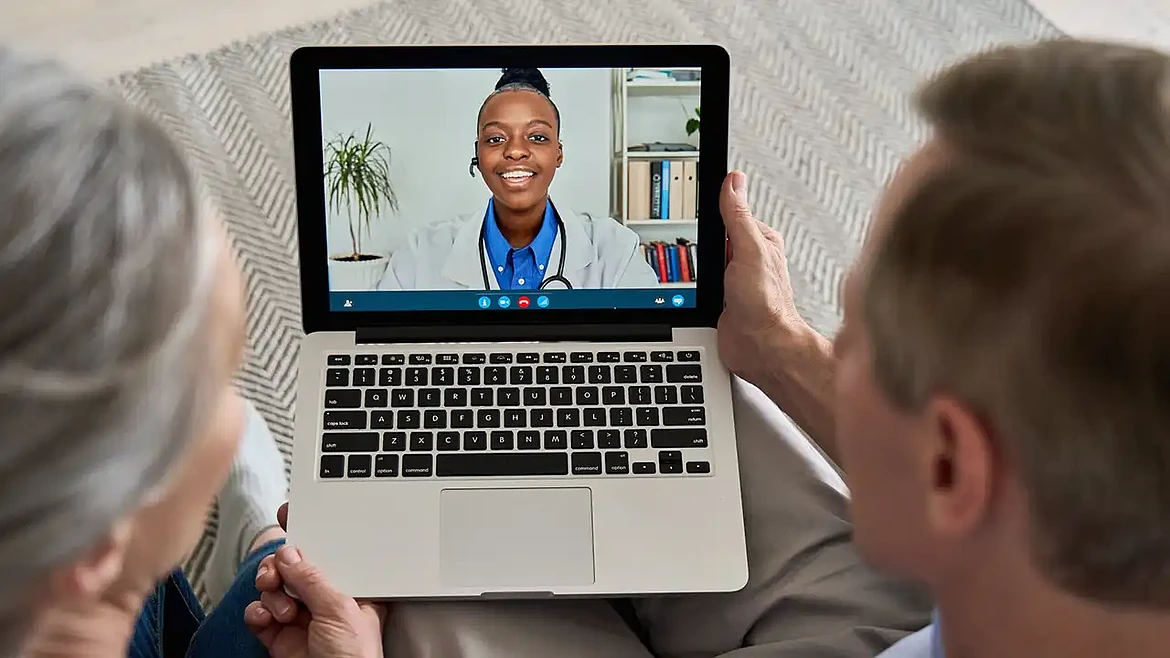
Health technology has changed many aspects of healthcare through video appointments, remote monitoring devices, mobile health apps, and at-home testing kits. Other tools, including wearable devices, digital medical records, and AI systems that help assess symptoms, are also changing how patients interact with healthcare services.
Ever put off a doctor's appointment because getting there felt like a hassle or fitting it into your schedule seemed impossible? Technology is helping people overcome those obstacles and connect with care more easily.
How Effective Is Digital Health?
Digital health can be highly effective when the technology is used appropriately and combined with guidance from qualified healthcare professionals. Many digital tools improve communication, increase convenience, and make it easier for patients to stay engaged with their treatment plans.
Some forms of care that are now delivered remotely include mental health and substance use treatment. For example, a virtual intensive outpatient program allows patients to receive structured support from home while continuing with work, school, and other daily responsibilities.
Is AI Going to Change Healthcare?
Behind every appointment is a large amount of information that healthcare teams need to review and manage. AI is helping with that process, giving providers extra support rather than taking their place. Healthcare organizations are already putting AI to work in areas such as:
- Automating administrative tasks
- Assisting with medical imaging analysis
- Supporting disease risk assessments
- Helping personalize treatment plans
The technology keeps improving, so AI's role in healthcare will likely continue growing in the years ahead.
Key Technologies Driving Better Access to Care
Many of the challenges that once made healthcare difficult to access are becoming easier to manage thanks to modern health technology. Some of the technologies behind these changes include:
Telemedicine Platforms
Many patients connect with healthcare providers from their devices instead of traveling to a medical facility. The flexibility offered by virtual visits has turned telemedicine into one of the most widely used modern health solutions. Telemedicine can be especially helpful for:
- Those living far from healthcare facilities
- Individuals with busy schedules
- People with mobility limitations
- Caregivers balancing multiple responsibilities
- Patients who need frequent follow-up visits
Virtual healthcare services reduce the time spent traveling and waiting for routine appointments. As a result, more people receive medical attention without disrupting their daily lives.
Remote Patient Monitoring Devices
Frequent appointments can become a burden for people managing long-term conditions. Improvements in healthcare technology make it possible to share medical data with providers without leaving home. Examples of devices used for remote monitoring include:
- Pulse oximeters
- Blood pressure monitors
- Continuous glucose monitors
- Heart rhythm monitors
- Smart scales
These devices support ongoing care and help providers respond to potential problems faster.
Mobile Health Apps
People no longer have to rely on paperwork or long phone calls to handle every part of their healthcare. Mobile health apps make it easier to access information and stay involved in day-to-day care. Common features found in these apps include:
- Access to medical records
- Appointment scheduling
- Medication reminders
- Secure messaging with providers
- Symptom tracking
These tools help patients stay organized and remain more engaged in their healthcare between appointments.
Wearable Health Technology
A lot can happen between one checkup and the next. That's one reason wearables have become so popular. As digital health tools, wearables help people keep an eye on their health and sometimes catch changes before they become serious concerns. Examples of wearable health technology include:
- Smart rings
- Sleep monitors
- Smartwatches
At-Home Diagnostic Testing
Missing work, arranging transportation, and finding appointment times can make medical testing feel like a challenge on its own. Many healthcare innovations have simplified the process by bringing some forms of testing closer to home and giving patients greater visibility into their health. Some of the health tests available for home use include:
- Blood sugar tests
- COVID-19 tests
- Cholesterol tests
- Liver function tests
Earlier access to testing prevents unnecessary delays in diagnosis and treatment.
AI-Powered Triage Tools
Emergency departments and healthcare facilities often need to determine which patients require immediate attention and which cases can safely wait. AI-powered triage tools help providers analyze patient information and prioritize care based on urgency.
The AI systems help reduce waiting times and help ensure that limited resources are directed toward the patients who need them most. As a result, access to medical care becomes more efficient for both patients and providers.
Electronic Health Records and Patient Portals
People often receive care from multiple providers, making communication between healthcare teams important. Electronic health records allow medical information to be shared more easily, helping providers work from the same information.
Better coordination can reduce duplicate tests, minimize paperwork, and make transitions between providers smoother. Through portals, patients also have easier access to their records, which can help them stay informed about their care.
Frequently Asked Questions
What Is the Biggest Benefit Technology Will Have On Aging and Longevity?
One of the biggest benefits of health technology is the ability to identify potential health problems earlier and support more proactive care as people age. Earlier intervention helps preserve independence and improve quality of life over time.
What Equipment Is Needed for Telehealth?
Most telehealth appointments only require basic technology that many people already use every day. Common equipment needed for telehealth visits includes:
- A smartphone, tablet, or computer
- A stable internet connection
- A camera and microphone
- A secure telehealth app or web browser
- Headphones for added privacy
A quick equipment check before the appointment helps ensure that valuable consultation time is not lost to technical problems.
Which Is a Major Ethical Concern in Digital Healthcare?
Protecting patient privacy and sensitive medical information remains one of the most important ethical issues in digital healthcare. As more health records and communications move online, safeguarding personal data becomes increasingly important.
Understanding the Value of Health Technology
Getting healthcare has become easier in many ways, and health technology has played a major role in that shift. Tools such as telemedicine, wearable devices, remote monitoring systems, and AI are helping people take a more active role in managing their health.
Did you find this article helpful? If so, explore this site for more practical insights on healthcare innovation.
This article was prepared by an independent contributor which helps us continue delivering quality content to our audiences.