
Micro weddings gain momentum as couples cut guest lists
Daily Inter-Lake | UPDATED 7 hours, 1 minute AGO
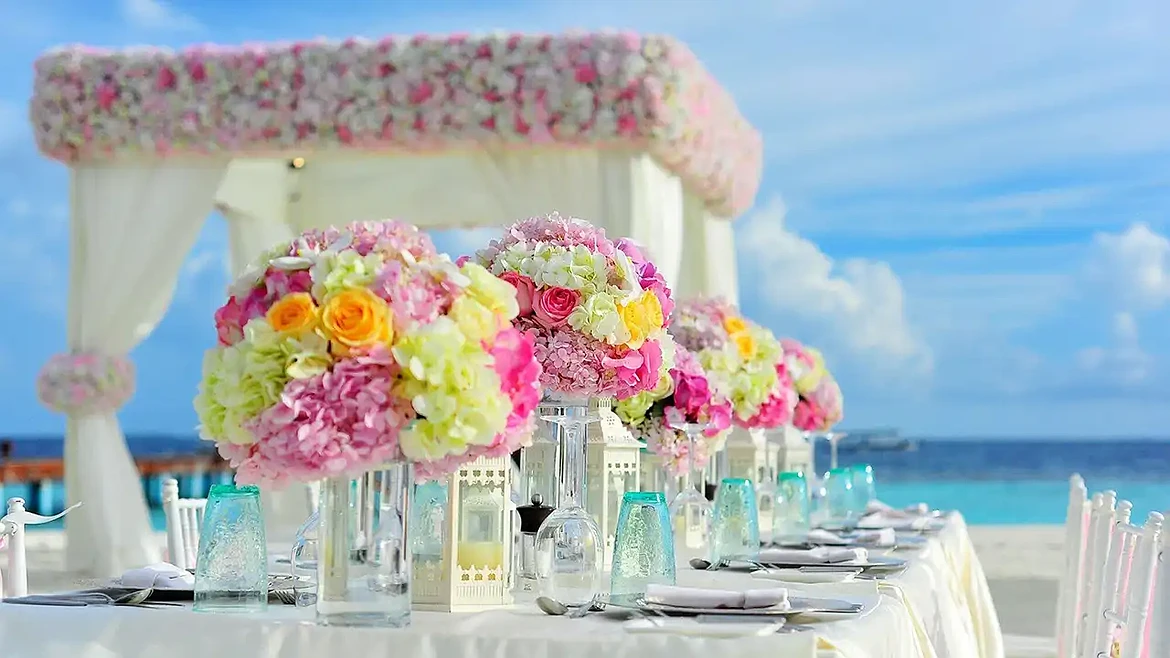
Micro weddings are changing the way couples approach their wedding day. These smaller gatherings include the full wedding experience: ceremony, reception, and dancing, with the freedom to personalize every detail.
The average U.S. wedding now costs around $34,200, according to The Knot, and in states like Montana, full-service events can often exceed $100,000. That financial reality has couples reconsidering everything.
What started as a pandemic-era adjustment has become a deliberate, lasting lifestyle shift. Couples are building wedding days around connection, presence, and meaningful experiences.
What Is a Micro Wedding?
A micro wedding sits at the more intimate end of the spectrum for types of weddings. With a guest list of 10 to 50 people, it still includes all the core elements couples expect: a ceremony, reception, food, and often dancing.
A micro wedding differs from an elopement in that it brings a small group of loved ones together to witness and celebrate the occasion. You can hold a micro wedding at a wedding chapel, a private dining room, or virtually any space that fits a small group comfortably.
Many couples are actually surprised by how many venue options work well for a smaller gathering:
- Private rooms at boutique restaurants or wine bars
- Rooftop spaces with outdoor views
- Vacation rental properties or private estates
- Art galleries, gardens, or small historic buildings
Why Are Couples Ditching Big Guest Lists?
The shift toward smaller celebrations connects to a few key factors. A tight wedding budget plays a pretty big role; more couples are choosing to spend less on headcount and more on quality. The pandemic gave many people an unexpected look at what a smaller wedding feels like, and a lot of couples discovered they really preferred it.
Less Stress, More Focus
Planning a wedding for 150 people involves a very different level of coordination than planning one for 30. With fewer guests, couples spend less time managing logistics and more time focusing on the people they want there. The overall experience tends to feel calmer and far more personal.
A Cultural Shift in Priorities
Couples today often place connection over spectacle. Many feel that a large guest list can turn a wedding into a performance, where the pressure to host well overshadows the reason for the celebration.
The social pressure to invite everyone, like distant relatives, former colleagues, and childhood neighbors, has started to fade. More couples now feel comfortable drawing a fairly clear line around who actually matters to their celebration.
How Do Micro Weddings Stack Up Against Traditional Ones?
Comparing a micro wedding to a large traditional event really comes down to cost, guest experience, and what couples walk away remembering. The differences are real, and they typically favor the smaller format in several ways.
The Cost Difference
Choosing the right wedding venue has a major impact on the overall price. Large reception venues typically charge based on minimum guest counts, and that pricing structure can push couples well beyond their budget.
With fewer guests, couples can access a wider range of spaces, many of which cost far less per person. Working with an experienced luxury wedding caterer in Utah, for example, becomes genuinely accessible when you're feeding 30 guests rather than 200. The savings from a smaller guest list tend to flow directly into food quality, décor, and the venue itself.
The Guest Experience
Guests at a micro wedding may feel more connected to the couple and to each other. There's more time for meaningful conversations, and the couple can spend time with every person in the room, something that's very hard to do at a traditional wedding with a large crowd.
Personalization, Sustainability, and the New Wedding Values
Smaller guest lists typically give couples far more creative control over their day. With fewer details to manage across a large group, every choice from the menu to the table settings can reflect the couple's actual taste.
Couples can choose a non-traditional venue, commission a custom menu, or incorporate cultural traditions that really speak to them. This level of personalization is quite hard to pull off at a large-scale event.
Micro weddings may also carry a smaller environmental footprint. Less food waste, fewer floral arrangements, and reduced energy use all contribute to a more sustainable event.
Here are some ways couples reduce their environmental impact:
- Choosing seasonal, locally sourced flowers and food
- Opting for digital invitations to cut paper waste
- Selecting venues that already have natural lighting and minimal setup needs
- Donating leftover food to a local shelter or community organization
Frequently Asked Questions
Do You Need a Wedding Planner for a Micro Wedding?
A day-of coordinator is still a smart call, even for a small event. That person handles the timeline, vendor communication, and any last-minute issues so you can actually enjoy the day.
Can You Still Have a Bridal Party?
Yes, a smaller bridal party of one to two people per side works really well with the intimate format. It keeps the ceremony feeling cohesive and relaxed, and it tends to make ceremony photos look cleaner and more focused.
What Is the Best Venue Type for a Micro Wedding?
So many spaces work well for a smaller group. Private restaurant rooms, rooftop terraces, boutique hotels, family properties, and art galleries all tend to fit the scale and atmosphere of a micro wedding. Outdoor spaces like parks or botanical gardens are worth exploring, particularly for warm-weather ceremonies.
How Far in Advance Should You Book?
Most couples plan six to twelve months out. A smaller guest list can sometimes allow for a shorter timeline, particularly if your preferred wedding venue has more flexibility in its calendar.
The Wedding Trend That Puts the Couple First
Micro weddings have become a defining shift in how couples approach their wedding day. This article explored the key reasons behind the trend, from pandemic-era perspective changes to smarter budget strategies and the freedom to personalize every detail. Smaller celebrations have proven that a well-crafted, intimate event can be just as meaningful and far more personal than a large-scale affair.
Explore our website for planning guides, venue ideas, and wedding inspiration to help you create an intimate celebration that feels completely your own.
This article was prepared by an independent contributor which helps us continue delivering quality content to our audiences.