
Personalization continues to influence event planning decisions
April D. Lee | Bonner County Daily Bee | UPDATED 6 hours, 46 minutes AGO
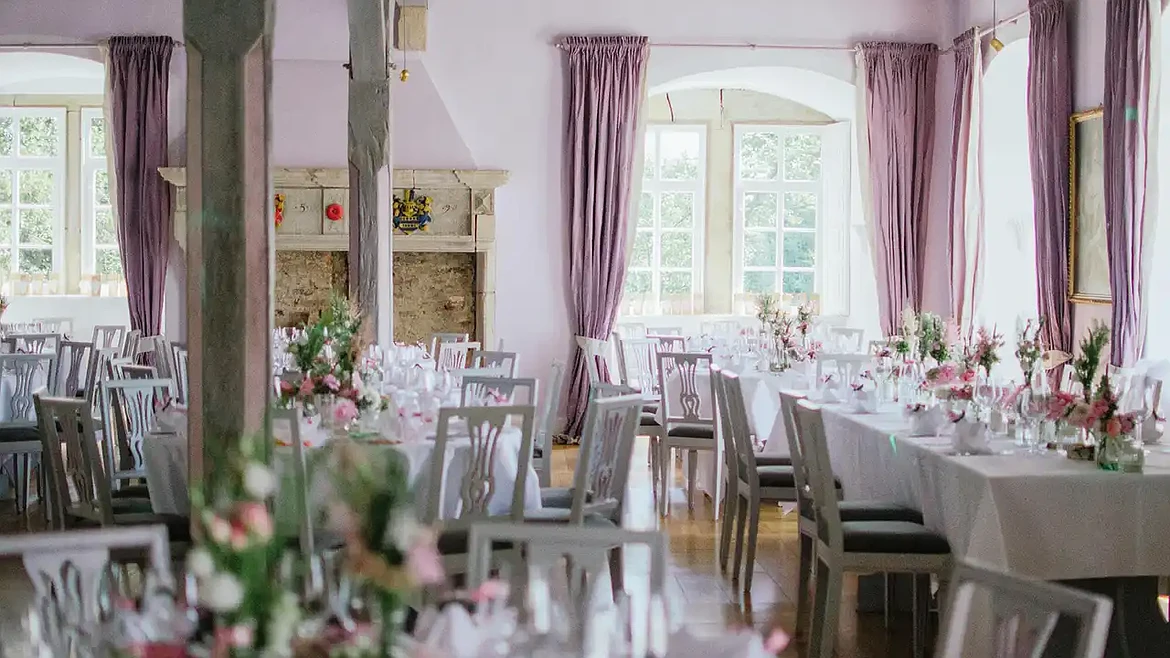
Personalization continues to influence event planning because guests expect gatherings to feel useful, relevant, and worth their time. Planners now use audience data, flexible spaces, smart technology, and thoughtful design to make events more memorable.
Generic events are very easy to plan, yet they are easy to forget. Guests notice when the agenda, seating, food, messages, and activities match their needs.
Busy schedules and digital distractions have made attention harder to earn. A room, a speaker, and a meal are no longer enough to create impact. The strongest events now feel intentional from the first invitation to the final follow-up.
What Is Personalization in Event Planning?
Personalization in event planning means shaping the event around the audience instead of pushing every guest through the same experience. It can include:
- Custom invitations
- Flexible agendas
- Seating choices
- Menu options
- Event apps
- Session tracks
- Follow-up messages
Good personalization is not random decoration. It is a planning method. It connects guest needs to event goals.
A corporate meeting, wedding, fundraiser, or conference can all use this approach. Guests should feel guided, not watched.
Why Is Personalization Important in Event Planning?
Personalization matters because guests judge events by relevance. A beautiful room can still feel empty if the program does not connect with the people inside it.
Strong custom event strategies help planners match content, space, and service to the audience. Guests are more likely to engage when sessions, networking, and activities align with their interests. Personalization also helps planners make better decisions before the event begins.
Audience details can guide layouts, table choices, timing, entertainment, and communication. A planner may choose:
- Lounges for informal networking
- Breakout areas for discussion
- Flexible seating for mixed activities
Event discovery has also become more personal, so guests expect relevance before and after they arrive.
Personalized Decisions Begin With Audience Intent
Every strong personalized event starts with one question: Why are people attending?
Some guests want education. Others want connection, celebration, access, recognition, or inspiration.
Tailored event experiences become stronger when planners stop guessing. Registration forms, surveys, past attendance data, and direct questions can reveal what guests value. Clear insight helps planners build around real needs instead of assumptions.
A conference attendee may value a direct path to the right sessions. A wedding guest may remember a thoughtful family detail. A corporate client may care most about private conversation and efficient timing.
Flexible Spaces Make Personalization Practical
Personalization has changed how planners think about space. Large rooms still matter, but many events now include smaller areas for focused interaction. Guests often want a mix of structure and freedom.
Seating also matters. Round tables can encourage conversation. Rectangular tables can support:
- Classroom layouts
- Family-style meals
- Formal presentations
Planners comparing seating formats may review options such as round and rectangular table rentals when matching layout choices to the event's purpose.
Design choices should support behavior. Seating, signs, lighting, sound, and traffic flow all affect how personal the event feels.
Technology Supports Personalization Without Replacing People
AI and event technology are changing how planners manage details. Tools can help:
- Build timelines
- Recommend sessions
- Send reminders
- Measure engagement
Technology can also help during the event:
- An app may remind a guest about a bookmarked session.
- A check-in system may route VIP guests to the right area.
- A platform may suggest networking matches based on role or topic interest.
Still, technology should not become the event. Guests respond best when digital tools make the experience smoother and more human. Personalized event ideas often work best when technology handles friction and people provide care.
Trust Shapes the Guest Experience
More personalization often requires more data. Planners may collect information about:
- Food needs
- Accessibility
- Job roles
- Interests
- Session choices
- Communication preferences
Those details can improve the experience, but they must be handled with respect. Poor personalization can feel invasive. Strong personalization feels helpful.
Event Planning Trends Keep Moving Toward Relevance
Current event planning trends show a clear move away from generic programming. Smaller curated events, flexible agendas, purposeful spaces, and AI-supported planning all point in the same direction. Guests want events that feel intentional.
The influence of personalization reaches every part of the process. It affects:
- Who gets invited
- How they register
- Where they sit
- What they see
- How they network
- What happens after the event ends
People remember moments that feel connected to them. A custom welcome note, a relevant breakout session, a well-matched conversation, or a thoughtful menu can make the event feel more meaningful.
Frequently Asked Questions
How Can Planners Personalize an Event Without Making It Complicated?
Start with a few useful choices. Ask guests about:
- Meal needs
- Session interests
- Accessibility needs
- Communication preferences
Use those answers to guide simple decisions. A planner does not need dozens of tracks or complex software. A clear agenda, smart seating, and thoughtful follow-up can create a personal feel.
Planners should also brief staff so every guest receives consistent help. Clear roles help the team deliver the same personal touch throughout.
What Mistakes Weaken Personalization?
Over-personalization can weaken the event. Too many audience segments, app alerts, or separate tracks can create confusion. Weak data can also lead to poor choices.
Planners should avoid collecting information they will not use. Strong personalization should reduce friction, not add more decisions. Privacy also matters because trust shapes participation.
Can Small Events Benefit From Personalization?
Small events may benefit even more because planners can notice details more easily. A dinner, workshop, retreat, or family gathering can feel very personal through:
- Seating
- Music
- Menu choices
- Welcome notes
- Pacing
Smaller groups also make it easier to adjust when guests need more:
- Discussion
- Privacy
- Guidance
Those small changes can make the gathering feel more thoughtful.
Use Event Planning to Create More Meaningful Experiences
Strong event planning is no longer only about logistics. It is about creating experiences that feel relevant, smooth, and memorable. Personalization helps planners connect guest expectations with event goals in a practical way.
A thoughtful plan can improve the agenda, layout, communication, and follow-up. It can also help guests feel valued from the first invitation to the final message.
Explore more guides and articles on our website for useful insights on planning, trends, and everyday decisions.
This article was prepared by an independent contributor which helps us continue delivering quality content to our audiences.