
The growing effort to reduce energy waste in residential properties
Shikha D | Coeur d'Alene Press | UPDATED 1 week, 2 days AGO
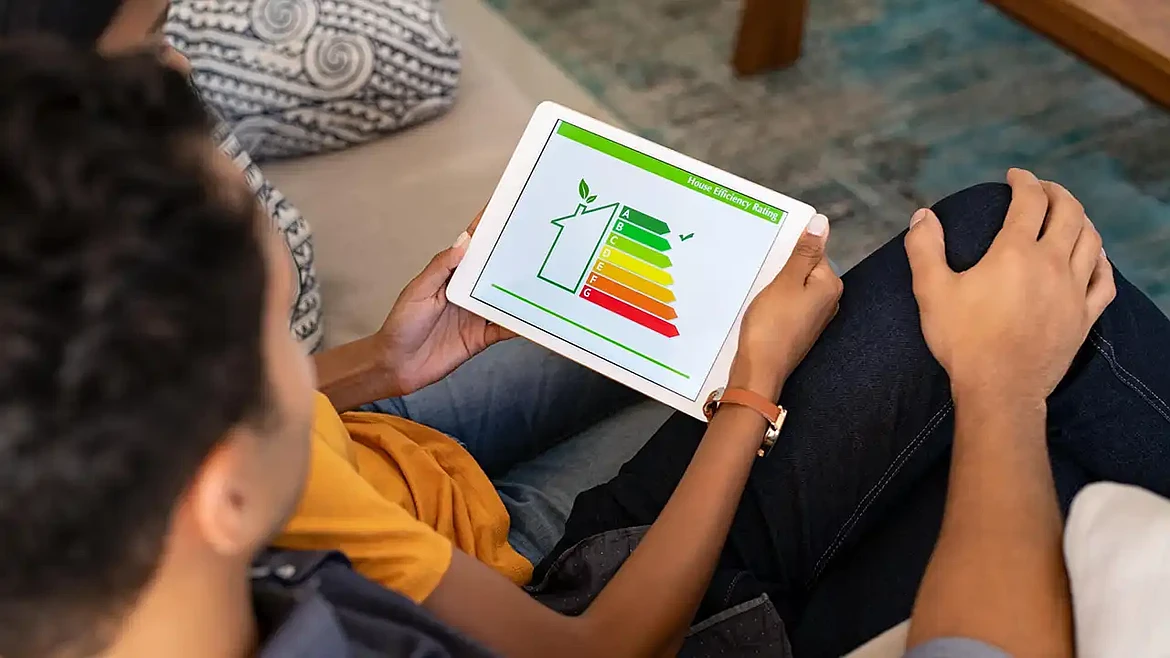
Some reasons why reducing residential energy waste has been made a priority in recent years are the increasing energy costs and the increasing use of home insulation, smart home technology, and efficient appliances.
The average U.S. household consumes about 10,500 kilowatt-hours (kWh) of electricity per year, according to the EIA.gov. Air conditioning, space heating, and water heating are the biggest culprits here.
Are you concerned about the amount of energy your household uses and even wastes every single day? Those rooms that are lit up all night long without anyone using them, or those washers and dryers used for one or two items. They are all wasting enormous amounts of energy, especially when multiplied across the United States.
In 2026, reducing residential energy waste is no longer viewed as simply an environmental goal. For many homeowners, it has become a practical financial priority tied to comfort, efficiency, and long-term property value. It's not even just about saving money, but also about saving the planet and leaving it a better place for our progeny.
Energy Costs Are Driving Greater Awareness
Heating, cooling, water usage, lighting, and appliances contribute significantly to monthly expenses. In many homes, inefficient systems quietly increase costs without homeowners fully realizing how much energy is being lost.
The following may all contribute to unnecessary waste:
- Drafty windows
- Poor insulation
- Aging HVAC systems
- Outdated appliances
As energy bills fluctuate, homeowners are paying closer attention to where savings opportunities exist. For many families, reducing waste has become less about trends and more about managing everyday affordability.
If these families can save a few dollars off their energy bills, it's worth it to them.
Home Insulation Is Receiving Renewed Attention
A lot of Americans live in older homes with poor insulation. New research sponsored by NAIMA and conducted by ICF Consulting shows that 89 percent of U.S. single-family homes are under-insulated, and you know when your home is poorly insulated, because it shows up in higher energy costs.
Poor insulation may allow heated or cooled air to escape, forcing HVAC systems to work harder and consume more energy. Homeowners are increasingly upgrading attic insulation, sealing air leaks, replacing weather stripping, and improving wall insulation to reduce inefficiencies.
Learn the basics of spray foam here.
Energy-efficient windows and doors are also becoming more common.
These improvements may help stabilize indoor temperatures while lowering heating and cooling demands throughout the year.
Smart Home Technology Is Helping Reduce Waste
Technology is coming to the rescue of American homeowners in the form of:
- Smart thermostats
- Automated lighting systems
- Occupancy sensors
- Energy monitoring devices
- App-controlled appliances
Do you leave your air conditioning or heating running all day long? Do you have all of your homes heated or cooled down, even the ones that are not in use?
Instead of heating or cooling empty rooms unnecessarily, smart systems may adjust settings automatically based on schedules or occupancy. Real-time monitoring tools are also helping homeowners identify inefficient habits or appliances that consume more energy than expected.
The ability to track usage more closely is making energy management feel more practical and accessible.
Even though these energy-saving technologies are a bit of an investment, they are well worth it in the long run as they help you save on energy costs and reduce energy waste.
Efficient Appliances Are Becoming a Priority
You might have an older home with appliances that haven't been updated since your grandparents' time. That's not a good thing.
These older appliances are probably sucking a lot more energy than you realize, which includes:
- Heating systems
- Air conditioners
- Refrigerators
- Washing machines
- Water heaters
- Dishwashers
As a result, many homeowners are prioritizing energy-efficient replacements during renovations or upgrades. While upfront costs may initially seem higher, long-term utility savings often influence purchasing decisions.
Efficiency is increasingly becoming a major selling point in residential products.
Renewable Energy Adoption Is Growing
You've probably noticed solar panels going up all around you in your neighbor's homes, schools, or even industrial complexes. There's a very good reason that renewable energy is having its heyday.
While not practical for every home, solar panels, battery storage systems, and energy-efficient roofing materials are becoming more accessible for some homeowners seeking to offset electricity costs.
Government incentives, financing programs, and improved technology have contributed to broader interest in renewable solutions. At the same time, homeowners are increasingly combining renewable energy with broader efficiency upgrades to maximize overall performance.
Frequently Asked Questions
What Kinds of Behavioral Changes Can You Make to Reduce Energy Waste?
Many behavioral changes and green living strategies will ensure that you, as a household, end up using less energy in general, without any technology or upgrades. They are:
- Adjusting thermostat settings
- Unplugging unused electronics
- Using energy-efficient lighting
- Reducing water consumption
- Scheduling appliance use more thoughtfully
Some counties or cities will have times when energy is cheaper than other times, like at night or on weekends. Maybe your family could try washing and drying their clothes during these times.
Does Home Design Matter With Energy Waste?
Builders are paying greater attention to home design aspects designed to reduce long-term waste, such as:
- Ventilation
- Natural light
- Insulation standards
- Window placement
- Energy-conscious layouts
Passive heating and cooling strategies, improved building materials, and sustainable construction methods are becoming more common.
Even remodeling projects increasingly incorporate energy-efficient features as homeowners seek better performance. If you are thinking about renovating your home, always put residential energy conservation at the top of your list. It will save you thousands in energy costs over the next few years, especially as energy costs rise exponentially.
Make Reducing Energy Waste a Priority This Year
Reducing residential energy waste is no longer just about lowering bills or protecting the environment. It's about ensuring that you are building efficient and resilient homes for future generations.
Use our green living strategies, like putting in energy-saving technologies in your home, and you will be well on your way to reducing energy waste for the entire household.
Please check out related articles on our website for more interesting articles on a wide variety of topics, like business, real estate, entertainment, and more.
This article was prepared by an independent contributor which helps us continue delivering quality content to our audiences.