
Energy independence: Why more homeowners are taking a closer look
Billie Pollisotto | Daily Inter-Lake | UPDATED 1 week AGO
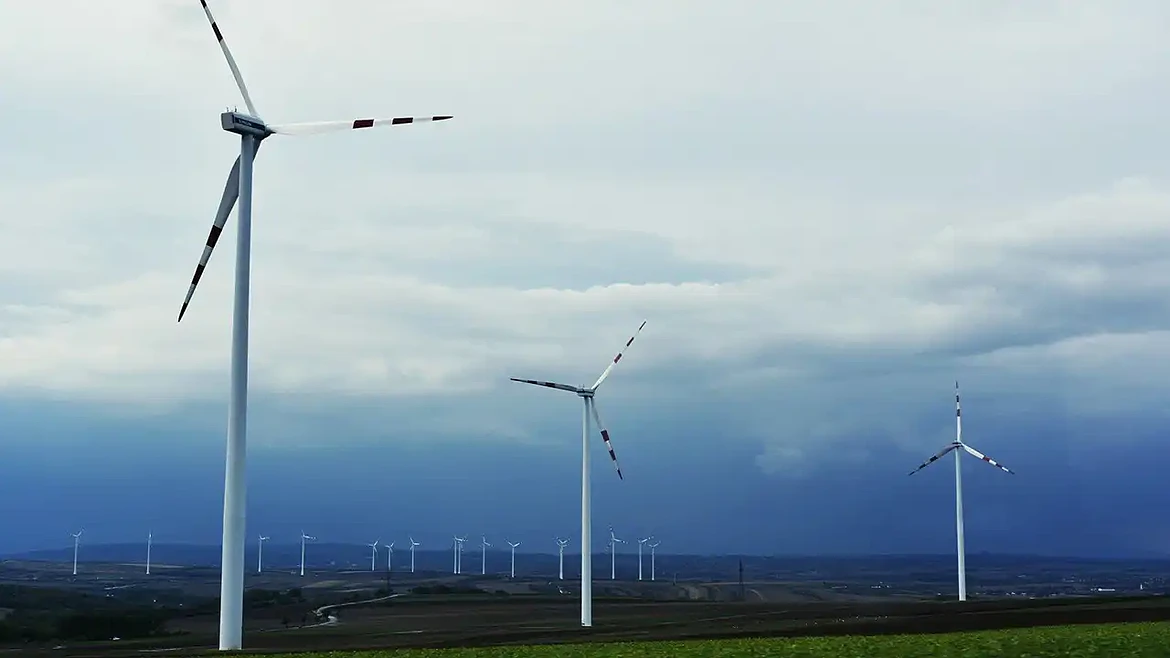
Energy independence is becoming a priority for many homeowners who want greater control over rising utility costs, energy reliability, and long-term household expenses. As energy prices fluctuate, more families are exploring options such as solar power, battery storage, energy-efficient upgrades, and smart home technologies to reduce their reliance on traditional energy sources.
A recent Pew Research survey found that 42% of Americans say their energy bills have gone up a lot in recent years. For many households, that increase has transformed energy from a routine monthly expense into a major budget concern.
Imagine opening another utility bill and realizing it is higher than the month before, despite making no significant changes to your daily habits. Homeowners across the country are responding by taking a closer look at energy independence, searching for practical ways to gain more control over their costs, improve resilience during outages, and create a more predictable financial future.
What Is Energy Independence?
Energy independence means reducing reliance on traditional utility providers by generating, storing, or managing energy at home. While some people picture living completely off the grid, most homeowners pursue a more practical version of energy independence that combines self-produced energy with access to the local power network.
How Can Energy Independence Help With Home Energy Savings?
One of the biggest reasons homeowners explore energy independence is the opportunity to reduce long-term energy expenses. While utility bills can fluctuate due to rate increases, seasonal demand, and market conditions, generating more of a home's energy on-site can help create greater cost predictability.
Energy independence strategies often focus on reducing the amount of electricity purchased from utility companies. Solar panels, battery storage systems, and energy-efficient upgrades can work together to lower overall consumption from the grid. Over time, those reductions may add up to meaningful savings for households that use large amounts of energy throughout the year.
Many homeowners also appreciate the ability to manage when and how energy is used. Smart home technology and energy monitoring tools can identify waste, helping families make adjustments that improve efficiency without sacrificing comfort.
Solar Power Benefits
Solar power has become one of the most practical ways for homeowners to move toward greater energy independence. Instead of relying entirely on electricity from the grid, solar panels allow households to generate a portion of their own power using a renewable energy source.
The potential for long-term savings is one of the biggest advantages. Producing electricity on site can help reduce monthly utility costs and lessen the impact of future rate increases. Many homeowners also value the added control that comes from generating their own energy rather than depending solely on external providers.
Solar energy can offer benefits beyond cost savings. It may improve energy security, support environmental goals, and increase a home's appeal to future buyers. When combined with battery storage, solar systems can provide backup power for important household functions during outages.
In sunny regions such as New Mexico, solar panel installation in Albuquerque, NM, has become an increasingly attractive option for homeowners looking to take advantage of abundant sunshine while reducing their dependence on traditional energy sources.
Sustainable Living Tips: Energy Audits
Many homeowners interested in energy independence overlook one of the simplest starting points: understanding where energy is being wasted. An energy audit gives you a detailed assessment of how a home uses energy and can identify opportunities to improve efficiency before investing in larger upgrades.
During an audit, professionals evaluate areas such as insulation, air leaks, windows, doors, lighting, and HVAC performance.
Addressing these major issues can make a noticeable difference. A home that wastes less energy often requires less electricity to heat, cool, and operate, making future investments even more effective.
Energy audits also help homeowners prioritize renewable energy solutions based on potential impact.
How Does Energy Independence Support Future Homeownership Goals?
Many homeowners view energy independence as part of a broader strategy to prepare a home for the future.
As technology continues to evolve, households are using more electricity than ever before. The following are increasing energy demands in many homes:
- Electric vehicles
- Home offices
- Smart devices
- Connected appliances
- Smart security systems
- Electric heating and cooling technologies
- High-speed networking equipment
Energy independence measures can help homeowners adapt to these changes while maintaining greater control over energy costs.
Preparing for future needs may also reduce the likelihood of costly upgrades later. A home that is already optimized for efficiency and renewable energy may be better positioned to accommodate changing lifestyles and technologies.
Frequently Asked Questions
Are Power Outages Changing How Homeowners Think About Energy?
Yes. Frequent or prolonged power outages are encouraging many homeowners to think about energy in a new way. Instead of focusing only on monthly utility bills, many are also considering reliability, preparedness, and access to electricity during emergencies.
How Does Household Size Affect Energy Consumption?
In general, homes with more occupants tend to consume more electricity, heating, cooling, and hot water because there are more people using appliances, electronics, lighting, and other household systems throughout the day.
However, energy consumption is not determined by household size alone. The following can also influence usage:
- Lifestyle habits
- The age and efficiency of appliances
- Home size
- Local climate
- The number of electronic devices in use
- Insulation quality
- How often occupants are home during the day
A smaller household in an older, less efficient home may use more energy than a larger family living in a well-insulated property with energy-saving upgrades.
Why Are Retirees Taking a Closer Look at Energy Costs?
Retirement can shift your financial thoughts. Without a regular paycheck, many retirees focus on controlling recurring expenses so their savings can last as long as possible.
Energy costs are receiving more attention because they can continue rising long after retirement begins. Many retirees are looking for ways to reduce monthly utility bills, improve efficiency, and create a more predictable household budget.
Lower energy expenses can free up funds for:
- Travel
- Hobbies
- Healthcare needs
- Emergency savings
- Family activities and experiences
- Charitable giving
Break Free With Energy Independence Today
Energy independence can cut costs and help reduce the threat of climate change. It's something to look at if you're trying to save money!
Looking for more ways to save money? Make sure you scroll through some of our other articles.
This article was prepared by an independent contributor which helps us continue delivering quality content to our audiences.