
Innovations in vacuum excavation are helping service companies meet major infrastructure demands
Nicole Melchionda | Daily Inter-Lake | UPDATED 3 months, 1 week AGO
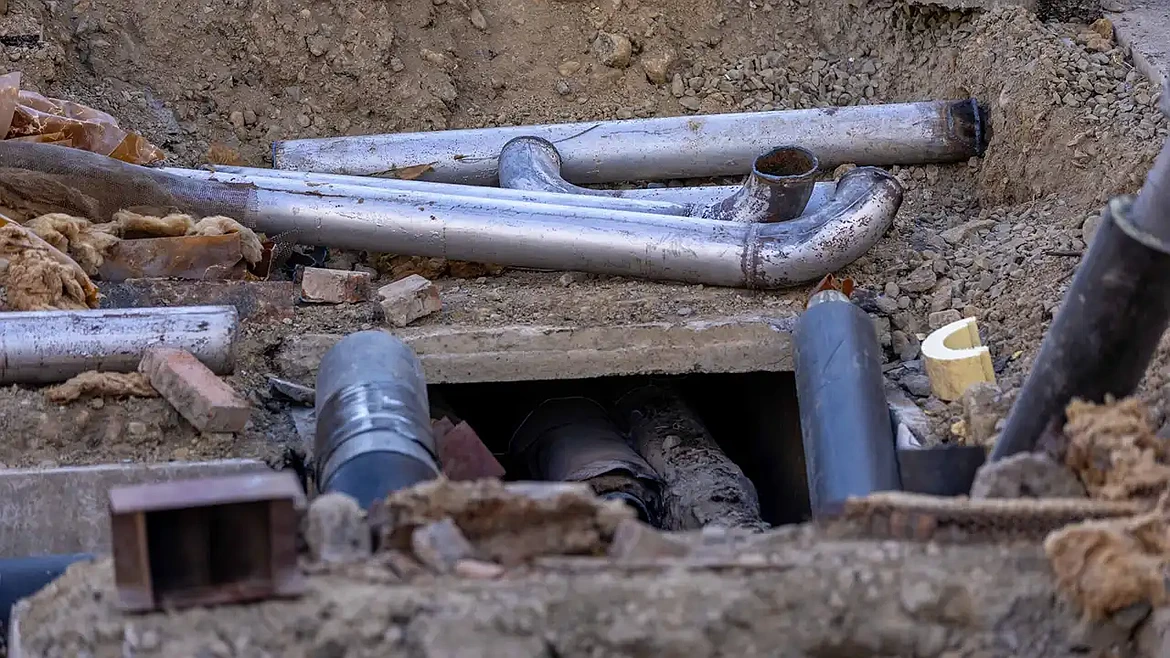
As infrastructure becomes more demanding and complex, innovations in vacuum excavation have had to keep pace so that service companies can work faster yet more safely. A higher degree of precision in modern equipment, coupled with advanced excavation methods, has helped contractors protect buried utilities, reduce delays, and more.
From city expansions to upgrading aging infrastructure, excavation technology has never been more vital. Whether you're installing new utility networks or another project, having specialized equipment can make all the difference in reducing risks to both workers and existing infrastructure.
Why Exactly Is Vacuum Excavation Becoming More Important for Infrastructure Projects?
Even the simplest infrastructure projects can involve all kinds of hazards. For instance, you may find that your team needs to work around one or more of the following:
- Gas lines
- Water mains
- Fiber optic cables
- Electrical systems
- Telecommunications networks
There's no denying that damaging any of these assets can lead to hefty repairs, not to mention project delays and serious safety hazards.
The good news is that modern vacuum excavators offer a non-destructive method to expose underground utilities with unmatched precision. Instead of relying solely on heavy mechanical digging equipment, crews can take advantage of pressurized water. Doing this can loosen the soil while a high-powered vacuum system extracts the debris and puts it into a storage tank.
As the population rises and communities continue to expand, so will the demand for the following:
- Utility construction
- Roadway improvements
- Municipal maintenance
Contractors can't go without excavation methods that boast both speed and safety. The latest vacuum excavation tech makes these devices a priceless solution for projects of just about any scope.
There's also the matter of environmental concerns. Fortunately, the precision of modern excavation means that you can keep disturbance of the soil and landscape to a minimum. It goes a long way toward reducing the amount of restoration work required after a project's completion.
How Has New Technology Taken Excavation Equipment to a New Level?
The past handful of years has seen amazing improvements in equipment. Contractors can now enjoy the following:
- Enhanced water systems
- Stronger vacuum performance
- Larger debris capacities
- Smarter controls
All of the above have increased productivity in the industry. In fact, advancements in hydro vacuum excavation technology have even allowed operators to remove soil more efficiently. At the same time, they can maintain precise control over excavation depth and location.
Modern systems can also handle a range of soil conditions, which helps crews stay productive no matter the season.
Equipment performance has further improved with integrated monitoring systems. They make it possible to keep a close eye on the following in real time:
- Water pressure
- Airflow
- Tank capacity
- Other critical operating conditions
Numerous contractors have an appreciation for the latest ergonomic controls, as well as simplified maintenance features that reduce downtime between projects.
Equipment like the TRUVAC HXX Hydro Excavation Truck proves how manufacturers continue to fine-tune productivity through durable construction and operator-focused design. Innovations like these let contractors complete more work without sacrificing high safety standards.
Nowadays, excavation trucks are synonymous with versatility. They're valuable assets for municipalities, utility contractors, pipeline companies, telecommunications providers, and many others.
What Are the Advantages of Hydro Vacuuming Over Traditional Digging?
Conventional excavation methods often involve mechanical equipment that can accidentally strike underground utilities, especially when operators can't clearly pinpoint their exact locations.
By comparison, hydro vacuuming uses high-pressure water to loosen up the soil before vacuuming it. Controlled excavation is the single best way to give crews better visibility so that they don't damage buried infrastructure.
Refined precision produces several important benefits, such as:
- Fewer utility strikes
- Lower repair costs
- Improved worker safety
- Less disruption to the surrounding property
- Faster project completion
- Reduced restoration expenses
Projects taking place in hectic urban environments especially benefit from this approach because everything from surrounding roads and sidewalks, to landscaping and structures can stay mostly undisturbed.
Utility locating is another wonderful application. Exposing underground lines before construction even begins helps contractors confirm utility locations and make wiser decisions throughout the project.
Frequently Asked Questions
Are Vacuum Excavators Cost-Effective?
The majority of contractors find that vacuum excavation provides solid, long-term savings because it prevents pricey utility damage. It also has the ability to:
- Reduce project delays
- Lower restoration expenses
- Improve general productivity
Although the equipment does call for a significant investment at first, fewer unexpected repairs and improved efficiency often balance out operating costs later on.
Which Industries Gain the Most From Hydro Vacuum Excavation?
The benefits are wide-ranging for many sectors. Some of these include utility contractors, municipalities, construction companies, oil and gas operators, and telecommunications providers.
Anyone who can benefit from precise, non-destructive excavation will gain much from this kind of equipment. When working around buried infrastructure, incorporating vacuum excavation into operations can make a world of difference for both safety and efficiency.
How Deep Can Vacuum Excavation Go?
The exact excavation depth depends on a handful of factors. For instance, the following can all affect depth:
- The equipment being used
- Hose length
- Soil conditions
- The strength of the vacuum system
A great deal of modern suction excavator units can safely go at least several feet below ground. More specialized equipment can reach even greater depths for certain utility and infrastructure projects.
Is Vacuum Excavation Safe Around Gas and Electrical Lines?
Indeed. Vacuum excavation is often considered one of the safest methods for exposing buried utilities. It's because it removes soil using controlled water pressure and suction rather than forceful mechanical digging.
Proper operator training and following utility safety procedures to a T remain crucial for every single project.
Modern Vacuum Excavation Has Come a Long Way
With the amazing improvements in vacuum excavation, it's now easier than ever to complete large-scale projects faster and without high safety risks. Whether you're dealing with buried wires or many surrounding roads, modern equipment gives you an undeniable edge.
You can always rely on our publication for the latest and most informative scoops on your favorite topics. From sports and opinion to business and lifestyle, we're passionate about delivering the highest-quality content possible. Subscribe today to stay informed.
This article was prepared by an independent contributor which helps us continue delivering quality content to our audiences.