
Telehealth services are closing the rural healthcare access gap
Stephanie Heron | Coeur d'Alene Press | UPDATED 2 months, 3 weeks AGO
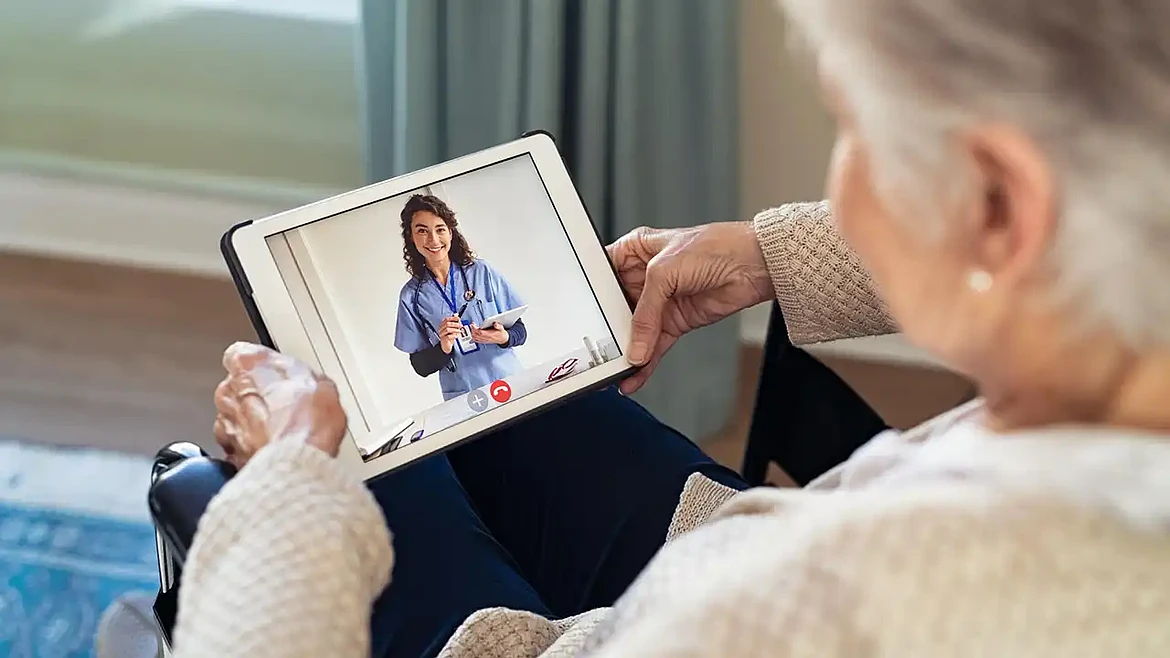
Telehealth services are closing the rural healthcare access gap by expanding access to specialists in remote regions, reducing transportation and travel burden for patients, and addressing clinician shortages through hybrid care models. They're also supporting chronic disease management with remote monitoring and improving early intervention and triage for rural urgent care needs.
According to The Commonwealth Fund, by 2037, the current supply of physicians is expected to meet only 68% of demand in rural areas. In addition, 43 million people currently live in rural areas with primary care health professional shortages.
It's important to have good access to healthcare services, as it can prevent small issues from becoming larger, more serious ones. What's fortunate is that telehealth services can help address this gap in rural healthcare access.
What Are Telehealth Services?
Telehealth services are healthcare and medical support that's given through digital communication technologies rather than in-person visits. This can include:
- Video consultations
- Phone calls
- Secure messaging
- Remote patient monitoring
- Mobile health apps
Patients can connect with doctors, nurses, therapists, and other healthcare providers from the comfort of their homes or any location where they can get internet access. They can use it for routine checkups and follow-up visits, as well as chronic disease management, mental health counseling, and medical advice for non-emergency concerns.
Telehealth services don't replace emergency care or hands-on procedures, but they can be an important complement to traditional in-person services.
How Are Telehealth Services Closing the Rural Healthcare Access Gap?
It's clear that remote patient care can address things that in-person visits can't. How is it specifically helping rural patients, though?
Expanding Access to Specialists in Remote Regions
Rural patients often have to travel hours or even days to see specialists, such as cardiologists, dermatologists, neurologists, or endocrinologists. With online doctor visits, though, primary care providers can connect patients directly with specialists, such as Choose Your Horizon telehealth, and this doesn't require physical travel at all. This enables "e-consults," too, where specialists can advise local clinicians in real time.
Not only does this improve decision-making at the point of care, but it also allows for faster diagnosis, more accurate treatment plans, and better continuity of care.
Reducing Transportation and Travel Burden for Rural Patients
It's common for rural patients to take time off work, arrange childcare, or drive long distances for routine appointments, and this can delay or discourage care. Virtual visits allow them to consult healthcare providers from anywhere they wish, which can save both time and transportation costs.
By making care more accessible and convenient, telehealth encourages earlier intervention and more consistent follow-up. This can ultimately improve long-term health outcomes and reduce the likelihood of conditions worsening due to delayed treatment.
Addressing Rural Clinician Shortages Through Hybrid Care Models
Rural healthcare systems usually have a shortage of physicians, nurses, and specialists, and this can lead to long wait times and limited service availability. Telehealth can help mitigate this issue by enabling hybrid care models, where providers split time between in-person and virtual care.
A single clinician can serve multiple rural locations without having to be physically present in each one. Urban-based providers can also extend their reach into underserved regions. Telehealth can reduce burnout among rural clinicians, too.
Supporting Chronic Disease Management With Remote Monitoring
Telehealth plays a major role in improving chronic disease care in rural areas, thanks to remote patient monitoring tools. Patients can use connected devices that transmit data directly to healthcare providers. This allows clinicians to track health trends in real time without requiring frequent in-person visits.
Early detection of concerning changes can enable doctors to make timely adjustments to medication or treatment plans. This results in fewer hospitalizations and emergency complications.
Improving Early Intervention and Triage for Rural Urgent Care Needs
Many rural patients face delays in determining whether symptoms need immediate emergency care or can be managed at home or through outpatient treatment. Virtual consultations let healthcare providers quickly assess symptoms and guide patients toward the appropriate level of care.
This can result in unnecessary emergency room visits, which are costly and time-consuming. Telehealth triage also helps rural clinics manage limited capacity more efficiently by prioritizing in-person visits for patients who truly need them.
Frequently Asked Questions (FAQs)
What Conditions Can Be Treated via Telehealth?
Telehealth can be used to manage and treat a wide range of non-emergency medical and mental health conditions. Common examples include:
- Colds
- Flu
- Allergies
- Sinus infections
- Urinary tract infections
- Skin conditions (like rashes or acne)
- Mild respiratory issues
Many patients also use it for chronic disease management, such as:
- Diabetes
- Hypertension
- Asthma
- High cholesterol
Telemedicine is most effective when symptoms are stable, non-life-threatening, and can be evaluated through patient history, visuals, or remote monitoring tools.
What Are the Four Ps of Telehealth?
The four Ps of telehealth are key principles that help guide effective virtual healthcare delivery. They are:
- Patients: At the center, focusing on accessibility, engagement, and ensuring care is convenient and understandable
- Providers: Includes doctors, nurses, and specialists who have to adapt their communication and clinical practices to virtual environments while maintaining quality care
- Platforms: The technology systems that enable secure and efficient interactions
- Privacy: Emphasizes protecting patient data through secure encryption, compliance with healthcare regulations, and maintaining confidentiality during the consultations
What Are the Disadvantages of Using Telehealth?
One major drawback is the lack of physical examination, which can make it harder for healthcare providers to diagnose certain conditions accurately. Some illnesses need additional care (e.g., lab tests and imaging), which can't be done remotely.
Another issue is technological barriers, as not all patients have reliable internet access, smartphones, or digital literacy skills. There are also technical glitches that can disrupt care.
Insurance coverage and reimbursement policies for telehealth can be inconsistent, too. This leads to uncertainty regarding healthcare costs.
All these disadvantages make telehealth work best as a supplement rather than a complete replacement for in-person healthcare.
Telehealth Services Are Changing Rural Healthcare
It's sad, but true; those in rural areas are underserved for healthcare, and their overall quality of life may suffer as a consequence. The good news is that telehealth services can fill this gap and bring much-needed care to those who need it.
Read the rest of our website for more helpful articles.
This article was prepared by an independent contributor which helps us continue delivering quality content to our audiences.