
CONTRIBUTED CONTENT: Estate planning for unmarried couples in Idaho
ROBERT J. GREEN/Kootenai Law Group | Coeur d'Alene Press | UPDATED 10 hours, 58 minutes AGO
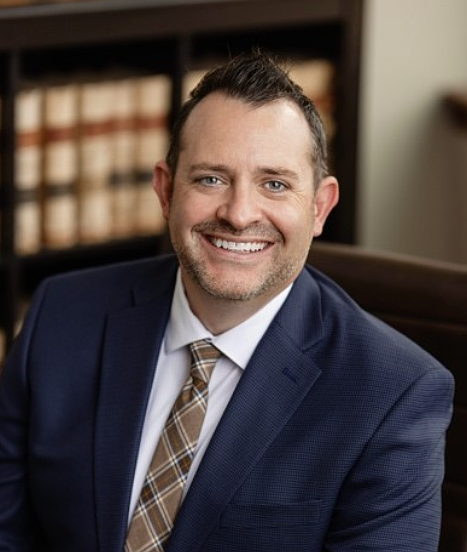
Robert J. Green
You've built a life together. You share a home, finances, maybe children and decades of history. In every way that matters to you, you're partners. But if you've never legally married, Idaho law may treat you, in a crisis, as little more than strangers.
This catches many couples off guard — and unlike married spouses, unmarried partners get almost no automatic legal protection. The good news is that careful planning can close nearly every one of those gaps. The bad news is that without it, the law's defaults can be harsh.
Idaho Doesn't Recognize Common-Law Marriage
One of the first things couples ask is whether living together long enough makes them married in the eyes of the law. In Idaho, the answer is no. Idaho abolished common-law marriage effective January 1, 1996 (Idaho Code § 32-201). No matter how many years you've shared a home or held yourselves out as a couple, you are not legally married unless you obtained a license and had your marriage solemnized.
(Idaho will still recognize a common-law marriage validly formed in Idaho before 1996, or one validly created in a state that allows it — but for most couples today, that doesn't apply.)
That single fact drives everything below.
What Happens Without a Plan
If you pass away without an estate plan, Idaho's intestacy statutes decide who inherits — and those statutes only recognize legal relationships: spouses, children, parents, siblings. An unmarried partner is nowhere on the list. Your assets could pass entirely to relatives you may not have spoken to in years, while your partner of three decades receives nothing.
The problems aren't limited to inheritance:
· Medical decisions. If you're hospitalized and unable to speak for yourself, your partner has no automatic authority to make medical decisions or even, in some cases, to receive information.
· Finances during incapacity. Without legal documents, your partner can't manage your accounts or pay your bills if you become incapacitated.
· The family home. If the home is in your name alone, your partner could be left with no legal right to remain in it.
The Documents That Protect You
The reassuring part is that everything above is fixable with the right planning. For unmarried couples, I generally recommend building a plan around several key pieces:
A will or revocable trust. This is how you make sure your partner actually inherits what you intend. A funded trust can also keep your affairs private and avoid probate.
A durable financial power of attorney. This lets your partner manage your finances if you can't.
A healthcare power of attorney and living will. These let your partner make medical decisions and access information, and let you put your wishes in writing.
Beneficiary designations. Retirement accounts, life insurance, and "payable on death" accounts pass directly to whomever you name — a simple, powerful way to provide for a partner.
Coordinated property titling. How your home and accounts are titled can determine whether your partner is protected automatically or left exposed. This deserves careful, deliberate attention.
Don't Forget the Details
Unmarried couples face a few wrinkles married couples don't. The tax advantages that flow automatically to spouses generally don't apply, so planning around taxes takes extra thought. If you have children together or from prior relationships, the plan should be clear about how they're provided for alongside your partner. And because relatives sometimes contest a plan that benefits an unmarried partner, well-drafted, properly executed documents matter even more.
The Bottom Line
Marriage comes bundled with a long list of automatic legal protections. When you choose not to marry — for whatever reason — those protections don't appear on their own. You have to build them deliberately. For committed unmarried couples in Idaho, a thoughtful estate plan isn't a luxury. It's the only way to make sure the law sees your partner the way you do.
My law firm is currently offering free telephonic, electronic, or in-person consultations concerning special needs trusts, adult guardianships, probates, and creating or reviewing estate planning documents.
• • •
Robert J. Green is an Estate Planning, Probate, Elder Law, Trust, & Guardianship Attorney and the owner of Kootenai Law Group, PLLC in Coeur d’Alene. If you have questions about estate planning, probates, wills, trusts, powers of attorney, guardianships, Medicaid planning, or VA Benefit planning, contact Kootenai Law at 208-765-6555, [email protected], or visit www.KootenaiLaw.com.
This has been presented as general information and not as legal advice. Do not engage in legal decision-making without the advice of a competent attorney after discussion of your specific circumstances.