
Consumers are redefining what luxury eyewear means in today's market
Amy Kang | Coeur d'Alene Press | UPDATED 1 day, 10 hours AGO
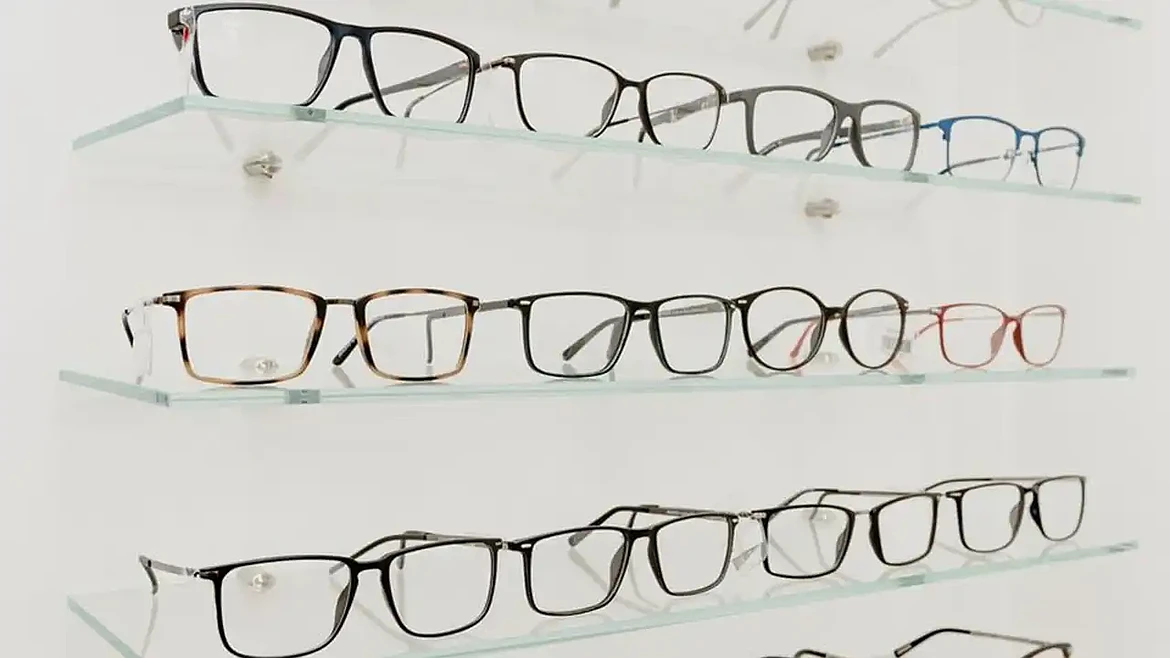
As a consumer, you're changing the luxury eyewear market. When you focus on craftsmanship, sustainability, and functionality over flashy logos before buying eyewear, it shows that you value substance over status. Brands have to learn from your preferences and change how they operate if they want to attract you.
Reports from Fortune Business Insights show that the global luxury eyewear market is expected to grow at a steady 2.33% CAGR during the forecast period 2026-2034. This growth isn't because of the old money families that people tend to think drive luxury fashion. Discerning consumers like you are the ones leading the charge into a more meaningful definition of luxury eyewear.
Why Are Consumers Redefining Luxury Eyewear Today?
Luxury eyewear was simple. You just had to buy a famous brand, wear it, and people knew you could afford it. However, consumers today want glasses that feel personal, meaningful, and aligned with who they are.
Because of these consumer preferences, the high-end glasses market is changing in the following ways:
A Focus on Stories Not Logos
Logos mattered so much in the past. If you wore Gucci or Prada eyewear, you made a clear statement about your wealth. However, the consumer today cares less about the name on the frames and more about the story behind it.
As a consumer, you want to know:
- Who made your glasses
- What the luxury brand stands for
- Where the materials of your glasses came from
A handcrafted frame from a small, sustainable shop now feels more luxurious to you than a mass-produced pair with a big logo. You're buying the story behind the luxury glasses you're wearing.
Sustainability Matters More
If you're eco-conscious, you're thinking about how your luxury eyewear is affecting the planet. You want to invest in brands that take care of the environment. When you're looking for frames, you'll tend to opt for glasses with:
- Recycled materials
- Biodegradable acetate
- Sustainably sourced wood
You'll also ask about packaging, shipping, and carbon footprints. For eco-conscious consumers, luxury isn't about excess but responsibility. If brands ignore this reality, they'll lose business.
Functionality Meets Fashion
Some of the consumer luxury preferences are a demand for practicality. If you live a fast-paced, digital life, your glasses need to keep up. A lot of customers want:
- Blue light filtering lenses for screen-heavy workdays
- Frames that transition smoothly from your office to a dinner date
- Lightweight glass frames that don't hurt your ears and nose after hours of wear
Modern optical fashion shouldn't just focus on beauty. Brands must make luxury eyewear that works beautifully into your daily routine.
Personalization
One-size-fits-all solutions don't work in optical fashion anymore. Consumers notice they have a unique face, and they need glasses that fit perfectly. They want brands that allow them to design their entire frame from scratch.
What Are the Top Trends to Be Aware of in the Luxury Eyewear Market?
Knowing why your preferences are changing the eyewear market isn't enough. You also need to know how brands are adapting. Here are the current luxury eyewear trends.
Smart Technology
Smart technology is becoming part of our daily lives. It's also integrating quickly into luxury eyewear. Brands are now creating glasses that include health monitoring sensors, tracking systems, and built-in speakers.
Innovative Designs
Customers want more luxury eyewear to come with frames featuring bold and unconventional shapes. Eyewear brands are now trying out materials such as wood and leather to make avant-garde eyewear glasses.
Emphasis on Eye Health
As per the American Academy of Ophthalmology, about two out of three American adults have eye problems. Aware of these numbers, consumers are educating themselves about eye health.
As a result, the demand for luxury glasses that help to protect and enhance vision is on the rise. Brands are now providing protective lenses that protect eyes against blue light exposure and UV rays.
Gender-Neutral Styles
The line between women's and men's fashion keeps becoming blurred. To fit in, luxury eyewear brands are incorporating gender neutral pieces in their production. As a consumer, this allows you to express your individuality to the fullest.
How Can My Brand Engage Luxury Eyewear Consumers?
To engage luxury eyewear consumers, your brand must build an exclusive, aspirational lifestyle around your product. Tell a meaningful story about your eyewear that aligns with your customers' identity. Make sure you position your glasses as a statement of status, sustainability, and craftsmanship.
You can also engage your customers through cost-effectiveness. For example, you can highlight affordable Tom Ford sunglasses by highlighting their multi-occasion design, longevity, and value-added inclusions.
Frequently Asked Questions
How Much Should I Expect To Spend on a Pair of Luxury Eyewear?
Luxury eyewear prices vary based on:
- The brand you choose
- The materials used
- The craftsmanship
You can get glasses from as low as $300 to as high as $3,000. If you choose glasses with customized frames, handmade pieces, or smart technology, you should expect to pay more.
How Can I Tell if Luxury Eyewear Is High-Quality?
First, check the hinges to assess the quality of your luxury eyewear. High-end frames will often feature durable materials like titanium or stainless steel.
Next, look at the finish. You should expect a smooth finish from hand-polished acetate or metal. Also, check the frame's engineering.
Details such as riveted hinges or screw-less designs show that your glasses have superior engineering. Don't forget to check the lenses. Genuine luxury eyewear uses high-grade optical lenses with advanced coatings for UV protection, anti-glare, and scratch resistance.
Are Luxury Eyewear Brands Worth the Investment Compared To Affordable Alternatives?
Yes, if you value longevity, comfort, and timeless style, luxury eyewear is a worthy investment. While cheap glasses cost you less, you have to deal with lower-quality materials that can bend or break at any time. Luckily, luxury brands can last for many years with proper care.
Appeal to Consumer Needs To Grow Your Luxury Eyewear Brand
The way customers think about luxury eyewear is changing. You'll notice most consumers are focusing on personalization, sustainability, and storytelling rather than status and good looks. If you want to make sales, you need to ensure your brand caters to the needs of your consumers.
For more branding tips, subscribe to our email list.
This article was prepared by an independent contributor which helps us continue delivering quality content to our audiences.