
Precision-focused automation is transforming the metal casting industry
Shoshone News-Press | UPDATED 2 months, 3 weeks AGO
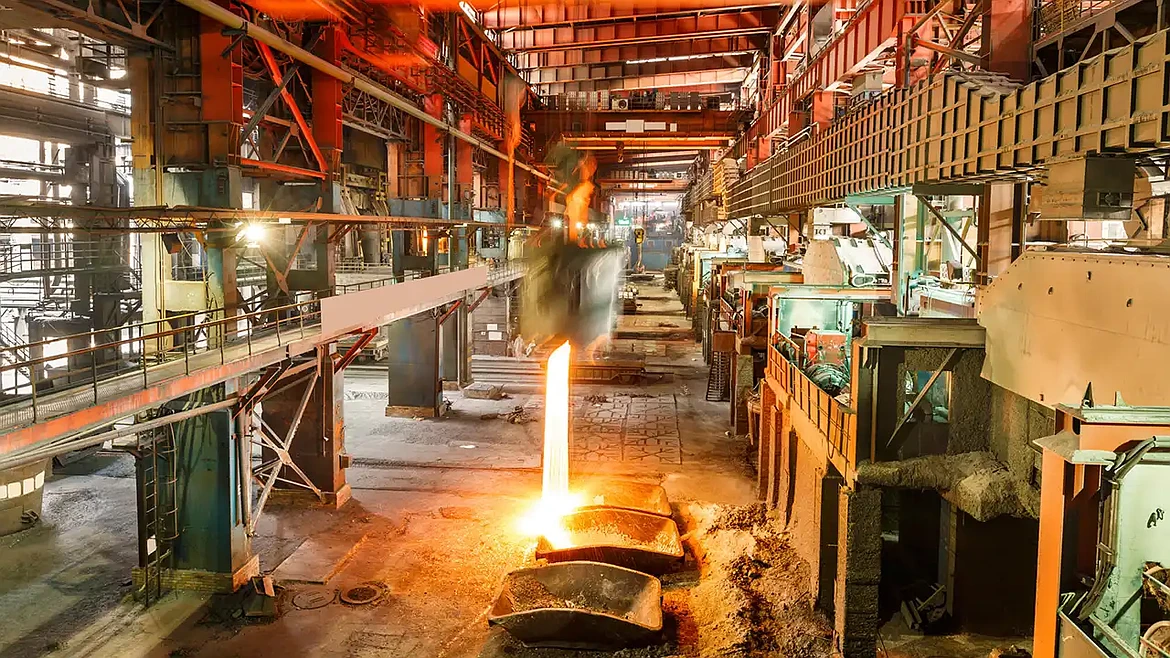
Precision-focused automation is helping the metal casting industry by improving consistency and quality through automated process control, and increasing production efficiency and throughput. It's also enhancing workplace safety in foundry operations and leveraging data analytics for continuous process optimization.
Fortune Business Insights says that the metal casting market size will grow from $176.05 billion in 2026 to $257.75 billion by 2034. In any growing industry, changes must be made to accommodate evolving needs.
Precision-focused automation is a hot topic right now.
Improving Consistency and Quality Through Automated Process Control
This type of automation is helping metal casting manufacturers achieve higher levels of consistency and quality than ever before. Automated systems continuously monitor critical variables in real time, such as:
- Mold temperatures
- Pouring rates
- Metal composition
- Cooling times
By reducing human error and maintaining tighter process controls, manufacturers can produce castings that meet exact specifications with greater reliability.
There are also advanced sensors and data analytics that can quickly identify deviations before they lead to defects. This minimizes scrap rates and costly rework.
Is It Increasing Production Efficiency and Throughput?
Robotic systems can handle repetitive tasks with exceptional accuracy and speed, such as:
- Mold preparation
- Material handling
- Pouring
- Finishing
This equipment can operate continuously with minimal downtime, too, so places like this Utah investment casting foundry can increase throughput while maintaining consistent quality.
Precision-focused automation can also help optimize workflow scheduling and resource allocation by using real-time production data. Manufacturers can identify bottlenecks and make adjustments that improve overall efficiency.
When foundries can streamline operations and reduce production delays, they can meet growing demand without sacrificing quality. The result is a more agile manufacturing environment that's capable of delivering cast components faster and more cost-effectively.
Is It Enhancing Workplace Safety in Foundry Operations?
Precision-focused automation helps reduce risks like:
- Extreme temperatures
- Molten metals
- Heavy equipment
- Potentially hazardous conditions
Workers won't have to do the dangerous things in custom metal foundry services, as human interactions with hazardous materials and equipment are limited. Advanced monitoring systems can also detect abnormal operation conditions and trigger automatic safety responses before incidents happen.
This proactive approach not only protects employees but also helps manufacturers reduce workplace injuries and downtime. This safer working environment can help with employee retention, strengthen regulatory compliance, and foster a culture focused on productivity and worker well-being.
Leveraging Data Analytics for Continuous Process Optimization
Today's automatic systems generate vast amounts of production data, and this can be used to drive ongoing improvements throughout the iron and stainless steel casting process. The sensors and connected equipment provide detailed insights into things like:
- Machine performance
- Material usage
- Cycle times
- Product quality
Manufacturers can then analyze this information to improve their precision metal casting services. For example, they can identify trends and uncover opportunities for greater efficiency, as well as prevent unexpected equipment failures.
Automation Has Its Place in Metal Casting
Precision-focused automation is driving the future of metal casting. It gives manufacturers great access to accurate, real-time data, which gives them a key competitive advantage for long-term success.
To read more articles like this one, keep browsing our website now.
This article was prepared by an independent contributor which helps us continue delivering quality content to our audiences.