
Why addiction treatment looks very different than it did a decade ago
Alison Green | Columbia Basin Herald | UPDATED 1 day, 10 hours AGO
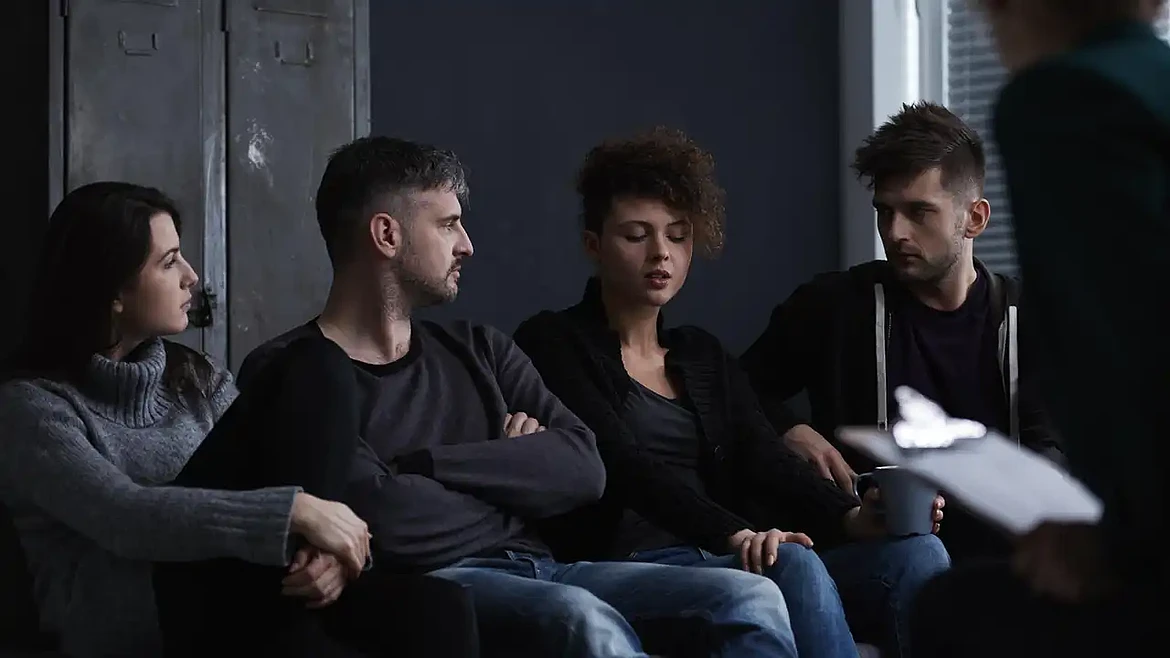
Modern addiction treatment combines clinical care, peer support, and everyday life skills to help people build a stronger path toward long-term recovery.
If someone entered addiction treatment today, would the experience look the way most people expect?
For many people, the answer is probably no. The image of a few weeks in rehab followed by a return to everyday life still shapes public perception, yet recovery has become much broader.
Treatment now reaches well beyond helping someone stop using drugs. It can involve counseling, mental health support, life skills, peer connections, and structured environments that help people build healthier routines after rehabilitation ends.
Recovery Looks Different for Everyone
There is no single roadmap through recovery. Someone recovering from opioid addiction may face different challenges than a person seeking treatment for alcohol dependence. Age, mental health, family support, employment, and housing can all shape the path forward.
That reality has changed the way many treatment providers approach care. Rather than following the same plan for everyone, programs may combine counseling, medical care, behavioral therapy, family support, and practical guidance based on the individual's circumstances.
Life After Addiction Treatment Deserves Just as Much Attention
Walking out of a treatment center is a significant achievement, but everyday life does not pause. Bills still need to be paid. Jobs require attention. Family relationships continue to evolve.
For that reason, many people choose additional support before returning to complete independence. Counseling, peer groups, and structured living environments can help reinforce healthy routines while reducing the stress of major life changes.
Gambit Recovery Sober Living for Men offers a supportive setting where residents continue practicing accountability and preparing for daily responsibilities.
Recovery Happens Between Appointments
Much of recovery takes place outside counseling sessions. It happens while preparing meals, commuting to work, handling disagreements, or making choices that once felt routine.
Many programs encourage people to strengthen everyday skills alongside their clinical care. That may include:
- Building consistent daily routines
- Managing personal finances
- Returning to work or preparing for employment
- Strengthening communication with family and friends
- Learning healthier ways to respond to stress
Digital technology has also become part of that support system. Virtual counseling, online recovery meetings, and mobile apps can help people stay connected to resources between appointments, making support easier to access throughout the week.
Recovery Can Be Stronger With Family Support
Addiction rarely affects just one person. Parents, partners, siblings, and close friends may all feel the impact, which is why many recovery programs encourage family involvement when appropriate.
That support can take different forms. Some families participate in counseling sessions, while others learn healthier ways to communicate, rebuild trust, and support recovery without enabling harmful behaviors.
Strong relationships cannot guarantee success, but they can provide encouragement during difficult moments and help create a more stable environment at home.
Looking Beyond Treatment
Addiction recovery is rarely defined by a single moment. It develops through steady progress, supportive relationships, and the habits people build over time.
Today's approach recognizes that treatment is only one chapter. Lasting recovery depends on what happens after, as people continue building healthier routines, stronger support systems, and greater confidence in everyday life.
Stay informed with more health, community, and lifestyle stories from across the region at Columbia Basin Herald.
This article was prepared by an independent contributor which helps us continue delivering quality content to our audiences.