
Roofing experts say early roof repairs can help prevent larger structural issues
Rob McManus | Coeur d'Alene Press | UPDATED 4 months, 1 week AGO
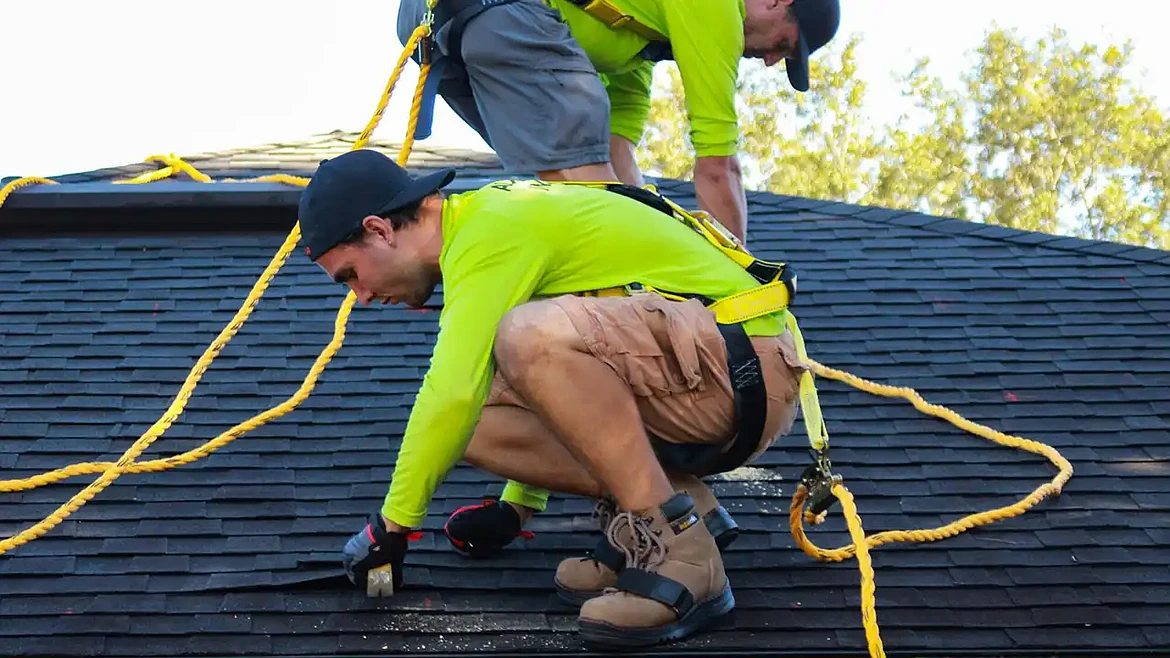
Taking care of certain roof repairs early helps keep minor wear from turning into expensive structural damage. Replacing damaged shingles, fixing small leaks, repairing flashing, and clearing clogged gutters help keep water damage under control. Sealing roof vents, replacing rotted decking, and reinforcing sagging areas all help protect the structure beneath your roof.
The Insurance Institute for Business & Home Safety says roof-related damage makes up an estimated 70% to 90% of major home damage claims. Many of those problems begin with smaller issues that homeowners overlook. Handling roof-related problems before they worsen helps limit the chance of damage spreading.
What Are the Most Important Items to Check When Inspecting Your Roof?
A roof inspection gives you a chance to spot issues before they turn into larger problems that need costly repair. You'll want to take a close look at several key parts of the roof when carrying out the inspection, including:
- Shingles and roofing materials
- Flashing around chimneys, vents, and skylights
- Gutters and downspouts
- Roof vents and seals
- Roof decking and support structures
Checking these areas once a year and after major storms will help you stay ahead of developing issues.
How Do You Know if Your Roof Is Structurally Damaged?
Structural roof damage often affects more than the roof itself, which means you may notice warning signs in other parts of your home. Some of the most common warning signs include:
- Sagging roof sections
- Cracks forming in ceilings or walls
- Water stains that keep coming back
- Doors or windows that suddenly stick
If you notice any of these problems, you'll want to schedule an inspection with experienced professionals. The best roofing contractors in Pittsburgh, Kansas, will help you understand whether a repair will solve the issue or if the structure needs additional support.
Timely Roof Repairs That Help Prevent Costly Structural Problems
Small roofing issues rarely stay small for long. To avoid more expensive structural problems in the future, take care of the following roof repairs:
Replacing Damaged Shingles
Shingles serve as your roof's first layer of protection, so even a few damaged pieces leave the materials underneath exposed to moisture. You'll want to address shingle damage when you notice:
- Cracks
- Curling edges
- Missing shingles
- Loose shingles
Roofing expert advice often stresses the importance of replacing damaged shingles as soon as problems appear. Doing so will help you avoid trapped moisture beneath the roof that leads to wood rot, mold growth, and damage in other parts of the home.
Repairing Damaged Flashing
Flashing helps keep water out around chimneys, vents, skylights, and other openings in your roof. When it bends, cracks, or pulls loose, water has a chance to slip into some of the most vulnerable parts of your home. A roofer can reseal or replace it before moisture reaches the framing.
Fixing Small Roof Leaks Early
A small roof leak typically starts quietly, which gives water time to spread into areas you can't see right away. One of the most useful roof maintenance tips is to pay attention to early warning signs before moisture reaches the roof structure. You may have a roof leak if you notice:
- Water stains on ceilings or walls
- Damp insulation in the attic
- A musty smell inside the house
- Peeling paint near the ceiling
- Dripping water during heavy rain
Clearing Clogged Gutters and Downspouts
Overflowing gutters leave water with nowhere to go, which increases the risk of moisture damage around the roof edge. To keep water moving away from your home, use the following cleaning steps:
- Set up a sturdy ladder and wear work gloves
- Remove large leaves and debris with a gutter scoop or by hand
- Rinse the gutters with a garden hose
- Run water through the downspouts to confirm proper drainage
Sealing Cracks Around Roof Vents
Small gaps around roof vents give rainwater an easy path into the attic. Damage starts around the worn vent boots, then spreads into the surrounding structure. Sealing those openings early helps keep the cost of roof repair under control by limiting the likelihood of larger problems later.
Replacing Rotted Roof Decking
Rot underneath the roof weakens the surface that holds everything above it in place. Replacing damaged decking helps prevent structural damage that can spread into your ceiling and walls. Signs that roof decking replacement may be needed include:
- Spongy areas on the roof
- Persistent leaks in the same location
- Sagging roof sections that are visible from the ground
- Mold buildup inside the attic
- Wood that appears dark, soft, or crumbly
Reinforcing Sagging Roof Areas
A sagging roof points to a loss of support somewhere within the roofing system. Left alone, the affected area continues to weaken, which increases the risk of larger structural problems. One goal of early roof repair is to reinforce these areas before the damage spreads. A roofing professional will determine whether additional framing, decking replacement, or moisture repairs are necessary to restore long-term stability.
Frequently Asked Questions
How Many Years Does a Roof Usually Last?
Most residential roofs last between 20 and 50 years. The exact lifespan depends on:
- The type of roofing material
- Local weather conditions
- Installation quality
- Ventilation in the attic
- Maintenance habits
Asphalt shingles usually fall near the lower end of that range, while metal, tile, and slate roofs tend to last much longer.
What Damages the Roof the Most?
Water causes more roof damage than anything else because it weakens structural components and allows damage to spread unnoticed. Water intrusion also contributes to:
- Wood rot
- Mold growth
- Damaged attic insulation
- Stained ceilings and walls
- Sagging roof sections
How Much Does It Roughly Cost to Replace a Roof?
Roof replacement costs vary widely, although most homeowners spend between $5,000 and $15,000 on the project. The final price depends on factors such as:
- The size of the roof
- The roofing material selected
- Labor costs in your area
- The complexity of the roof design
- Whether structural repairs are needed underneath
Protect Your Home With Prompt Roof Repairs
Many major roofing problems begin with issues that seem easy to ignore. From replacing shingles and fixing leaks to cleaning clogged gutters and reinforcing sagging roof sections, timely roof repairs help protect the entire structure beneath the roof.
Did you find this article helpful? Browse this site for more practical home maintenance guides.
This article was prepared by an independent contributor which helps us continue delivering quality content to our audiences.