
Mastering decking layout: Tips and tricks you need to know
Arin Barry | Coeur d'Alene Press | UPDATED 3 months, 2 weeks AGO
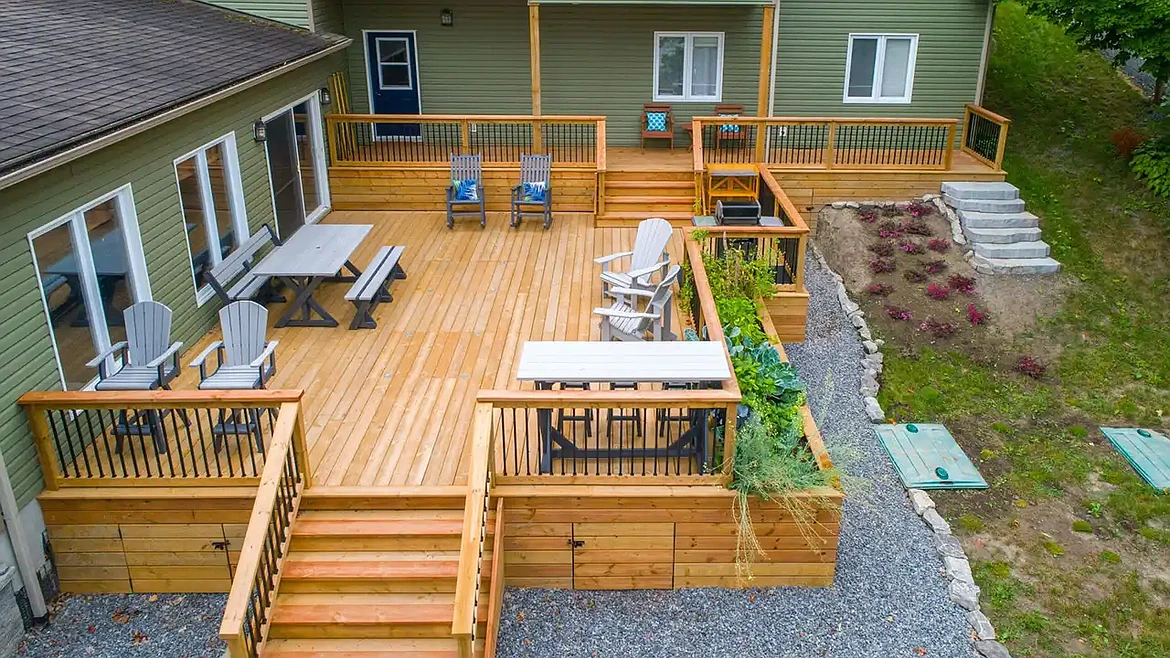
The most effective approach to getting your decking layout right is to design around how you'll actually use the space while keeping it proportional to your yard's size. A strong layout balances traffic flow, seating zones, sunlight, and access points before any boards are installed.
Across the world, outdoor spaces are being reimagined as extensions of the home: places to relax, entertain, and gather. According to Research and Markets, strong demand in the outdoor structure market is driven by customization and advances in materials technology, such as durable composite decking that requires minimal maintenance.
When you are exploring deck design ideas, a solid approach to outdoor space planning is to set priorities early. Deciding what activities take center stage means the layout will support your goals without wasted effort or expense.
What Makes a Deck Layout Work?
A well-designed deck starts with purpose. Ask yourself what this deck is really for.
Hosting large cookouts needs a different footprint than a quiet morning coffee spot. If you love to grill, you need a dedicated cooking zone with enough clearance around the grill.
If you entertain often, plan for a dining area with 4 feet of clearance around the table to allow for unrestricted movement.
Think about the people in your home, too. Older adults or small children might need wide stairs, ramps, or extra-sturdy railings for safety.
The design should connect seamlessly to the house so entry and exit points feel natural. Traffic flow is another key factor. People should be able to move easily, so it's best to avoid tight corners or awkward pathways.
Sun and existing landscaping should also be factored into the layout. Position seating where shade from trees makes it comfortable or where morning light creates a welcoming spot.
Look at your current garden beds and surrounding plants before finalizing the design. Instead of working against them, try to integrate the deck so it feels like part of the landscape.
This might mean aligning edges with existing beds, framing views of plants you already love, or leaving space to preserve mature trees.
If you are unsure about these decisions, working with experienced professional deck builders can help you refine your plan and avoid costly mistakes.
What Features Make a Deck Usable?
Multi-level decks are popular because they naturally divide spaces without the need for walls. One level can accommodate dining furniture, while another can support lounge seating or a grill station.
Storage benches or compartments beneath seating provide a convenient place to keep cushions, gardening supplies, outdoor games, or grilling accessories.
Privacy features can also make a deck feel more inviting. Decorative screens, planter boxes, pergolas with climbing plants, or strategically placed railings help create separation from neighboring properties while still allowing airflow and natural light.
A retractable awning, or covered section, provides shade during summer and helps protect furniture from sun and rain. If you enjoy spending time outdoors in cooler months, adding a fire table or patio heater can make the space comfortable well into the evening.
Lighting deserves careful planning because it improves both safety and atmosphere. Step lights, post cap lights, and recessed lighting help illuminate walking surfaces, while soft ambient lighting creates a warm setting for relaxing or entertaining.
Deck Construction Tips: Which Decking Material Is Right for You?
When choosing between materials, think about your budget, how much maintenance you want to do, and the look you prefer. Pressure-treated wood is an affordable option.
It can last for many years, but requires staining or sealing every 2-3 years to protect it from:
- Moisture
- Sun exposure
- Temperature changes
Composite decking is made from a blend of wood fibers and recycled plastics. It can resist splintering, rot, and insect damage.
Although it costs more upfront than wood, many homeowners find the lower maintenance requirements (occasional cleaning with soap and water) worth the investment.
PVC decking is a practical choice for areas that experience snow, rain, or frequent freeze-thaw cycles. It will not rot or absorb water like wood, but it generally comes at a higher price.
Bonus Tips: Use slip-resistant finishes on stairs and walking surfaces. Add contrasting stair edges for visibility.
Frequently Asked Questions
How Can I Make a Small Deck Feel Larger?
Avoid overcrowding the space. Use built-in seating, lighter colors, and simple furniture layouts. Keep to a consistent look with fewer materials and colors.
When the flooring and furniture feel cohesive, the space naturally feels larger.
Additional patio layout tips include using vertical elements, such as planters or rail lighting, to draw the eye upward, and keeping to one focal point, such as a fire feature.
Are Permits Required to Build a Deck?
In most U.S. jurisdictions, yes. Many areas require permits for decks above a certain height or size, as well as for attached decks and any construction involving structural changes or electrical work.
Requirements vary by location, so the exact rules depend on your local building department. Permit requirements usually include inspections that protect you legally if you ever sell the home.
A quick check with your local building department can help you avoid issues later.
Can You Build Your Own Deck Using a Deck Installation Guide?
Small, low decks close to the ground are often doable for homeowners with carpentry skills. They still need careful measuring, solid planning, and proper framing to keep the structure safe and level.
Larger or raised decks are more complex. Anything attached to a house usually requires stronger structural support due to added load demands.
You also need the right tools. Without these, it becomes easy to make mistakes that affect safety and durability.
Planning the Perfect Decking Layout
A great decking layout is not just about aesthetics; it's about designing a space that functions for the people using it every day. When you carefully consider and incorporate how you live, the unique constraints of your yard, and the flow of your space, you can create an outdoor space that adds real value to your home.
Need more inspiration for your backyard project? Check out our website today.
This article was prepared by an independent contributor which helps us continue delivering quality content to our audiences.