
Hardscaping ideas Idaho homeowners are using to upgrade their yards
Billie Pollisotto | Bonner County Daily Bee | UPDATED 8 months, 3 weeks AGO
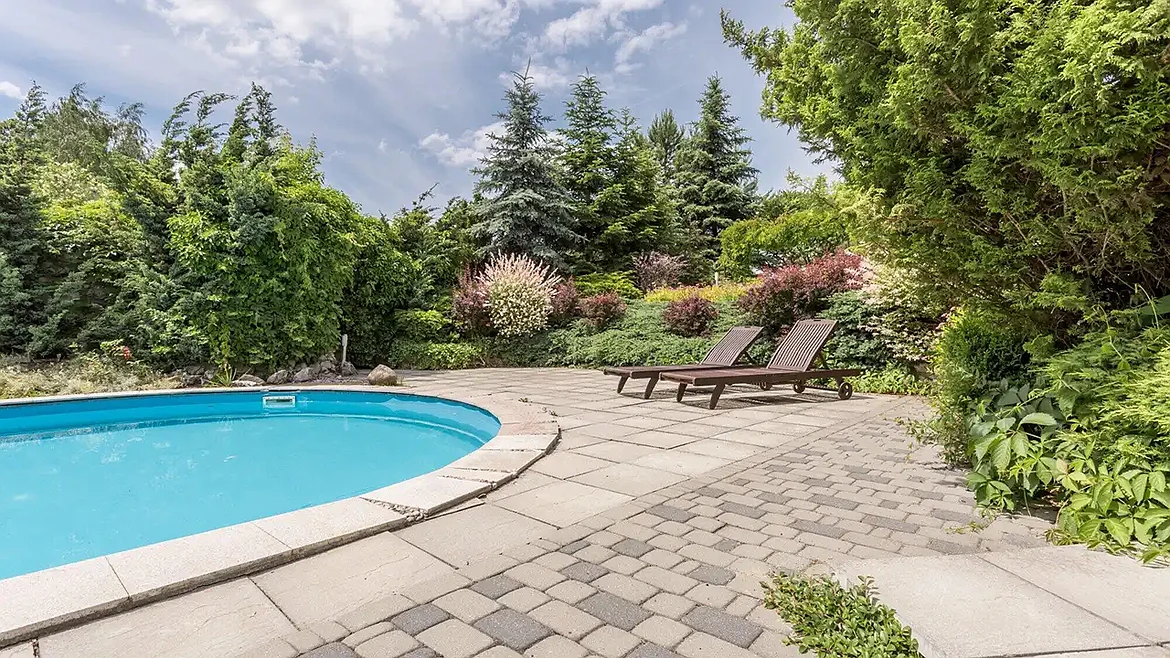
Hardscaping ideas Idaho homeowners are using focus on practical upgrades that hold up to the state's dry summers, cold winters, and varied terrain. Patios, stone walkways, fire features, and retaining walls are among the most common additions, helping turn simple yards into comfortable outdoor living spaces. These improvements reduce maintenance while creating areas for relaxing, entertaining, and enjoying the landscape.
Imagine stepping into a backyard that finally feels finished. A patchy lawn and uneven soil have been replaced with a stone patio, a curved paver walkway, and a small seating area built into the landscape. Friends gather around a fire feature while the yard stays tidy and easy to manage through Idaho's changing seasons.
Scenes like this are becoming more common as homeowners rethink how their yards function. Instead of relying only on grass and garden beds, many are adding durable surfaces and structural features that make outdoor areas more usable.
What Is Hardscaping?
Hardscaping refers to the non-living elements that shape the structure of a landscape. Instead of plants, lawns, or trees, hardscaping focuses on built features made from durable materials such as stone, brick, concrete, gravel, or pavers. These features help define how a yard functions and how people move through outdoor spaces.
Common hardscaping features include:
- Patios
- Walkways
- Retaining walls
- Outdoor seating areas
- Stone steps
These elements create stable surfaces for walking, dining, and gathering while helping organize different parts of a yard.
Hardscaping services here often serve a practical purpose as well as a visual one. Stone paths can guide movement through larger properties, and patios create outdoor living areas that are easier to maintain than large lawn spaces.
How Can Fire Pits and Outdoor Gathering Areas Transform a Yard?
Fire pits and outdoor gathering areas are among the most popular backyard renovation upgrades because they turn a backyard into a place where people naturally want to spend time. Instead of a yard that is mostly decorative, these outdoor living spaces create a clear destination for relaxing and enjoying Idaho's cooler evenings.
A well-designed gathering area usually starts with a durable surface such as stone pavers, concrete, or compacted gravel. The fire feature becomes the focal point, while surrounding elements help shape the space and make it comfortable for guests.
Retaining Wall Benefits
Retaining walls are one of the most practical hardscaping features homeowners add to Idaho landscapes. Many properties sit on uneven terrain, and retaining walls help stabilize slopes while creating flat, usable areas for outdoor living.
These structures hold soil in place and prevent erosion, which can become a concern after heavy rain or snowmelt. With the right design, retaining walls also add visual structure to the yard, turning steep or difficult spaces into attractive landscape features.
Homeowners often use retaining walls to support improvements such as patios, garden terraces, or pathways. Instead of struggling with a sloped lawn, the yard can be divided into organized levels that are easier to maintain and enjoy.
Lighting Options for Outdoor Living Spaces
Once patios, walkways, and gathering areas are in place, lighting helps extend the usability of those spaces after sunset while improving safety and visibility.
In Idaho yards, homeowners often choose lighting that highlights the structure of the hardscape while creating a comfortable evening atmosphere. Fixtures can be installed along pathways, built into retaining walls, or placed around seating areas to illuminate key parts of the yard.
Strategic lighting also helps guide movement through outdoor spaces and prevents dark areas where people might trip or miss steps. When planned carefully, lighting enhances both the function and appearance of patios and outdoor living areas.
Popular outdoor lighting options include:
- Path lights installed along walkways and garden paths
- Step lighting built into retaining walls or stair edges
- Accent lighting that highlights stone features or trees
- Overhead string lighting above patios or seating areas
- Low-profile lights are placed around fire pits or gathering zones
Frequently Asked Questions
What Are the Six Rules of Landscape Design?
The six basic rules of landscape design help create outdoor spaces that feel balanced, functional, and visually appealing.
Balance ensures that elements in the yard feel evenly distributed. This can be symmetrical, where both sides match, or asymmetrical, where different elements still create visual stability.
Unity means all parts of the landscape work together. Materials, colors, and plant choices should feel connected rather than random.
Proportion focuses on scale. Features such as patios and trees should match the size of the home and the surrounding yard.
Rhythm guides how the eye moves through the landscape. Repeating elements like the following help create a natural flow:
- Stone borders
- Plant groupings
- Pathway patterns
- Paver shapes or colors
- Lighting fixtures along walkways
Emphasis creates a focal point. This could be a fire pit, water feature, sculpture, or large tree that draws attention.
Simplicity keeps the design from feeling cluttered. Limiting the number of materials and decorative features often leads to a more cohesive outdoor space.
Does Hardscaping Add Value to a Home?
Hardscaping can increase a home's value because it improves both functionality and curb appeal. Features create a usable outdoor living space that many buyers find attractive.
Well-designed hardscaping also makes a property easier to maintain. Replacing large sections of lawn with patios, stone pathways, or gravel areas can reduce mowing and watering while giving the yard a more finished appearance.
Beyond resale value, hardscaping improves how homeowners use their outdoor space day to day. The following can make the property feel larger and more inviting:
- A patio for dining
- A fire pit area for gatherings
- A walkway that organizes the yard
- A small courtyard or lounge area for outdoor conversations
Is It Cheaper To Lay Pavers or Pour Concrete?
Concrete is usually cheaper upfront. A poured slab installs faster because it is placed as one continuous surface, while pavers must be set individually on a prepared base.
Pavers often cost more initially due to the extra labor and materials. However, they can be easier to repair over time. If a section shifts or becomes damaged, individual pavers can be replaced without removing the entire surface.
Hardscaping Ideas: Use These Today
These hardscaping ideas can help any Idaho homeowner take their property to the next level.
Do you need more transformation tips and tricks? Our website has lots of other great points for you.
This article was prepared by an independent contributor which helps us continue delivering quality content to our audiences.