
Horse fly season is here and owners are stepping up protection
Cristal Dyer | Bonner County Daily Bee | UPDATED 8 months, 2 weeks AGO
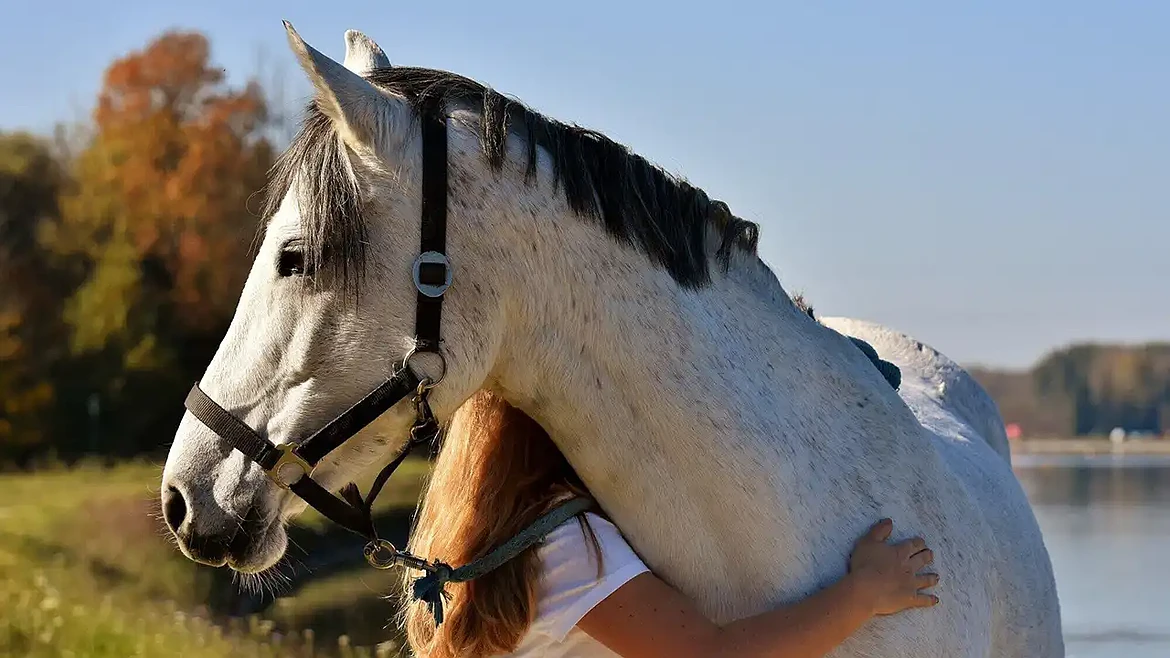
Horse fly season typically runs from late spring through early fall, peaking when temperatures consistently climb above the mid-70s°F. Protecting horses requires a layered approach: fly masks, fly sheets for horses, repellent sprays, and adjusted turnout schedules that address both biting insects and UV damage before either causes lasting harm. Starting this routine early gives horses the best chance of a comfortable season.
Flies cost the U.S. livestock industry an estimated $6 billion annually in lost productivity and control expenses, according to Farm Journal. For horse owners, that pressure is visible: stressed animals, disrupted grazing, irritated skin, and eyes inflamed from repeated bites. Spring is when it starts, and without a plan, it compounds fast.
This guide breaks down the strategies equestrians are using right now to stay ahead of the season.
What Are the Most Effective Fly Protection Tactics for Your Horse?
Horse flies are aggressive biters that draw blood, cause skin irritation, and stress horses enough to disrupt their grazing and weight gain. Fly control for horses works best when owners layer multiple methods together, rather than relying on any single product.
Fly Masks and Sheets
Fly masks cover the eyes, ears, and muzzle, the areas horse flies target most on the face. Lightweight horse fly sheets offer full-body coverage and still allow airflow, so they stay practical on warm spring days. Keeping horses moving during turnout actually tends to reduce the number of flies that land and stay.
Repellents and Sprays
Repellent sprays and wipes give owners a fast, flexible option for daily fly management. Most products work best on the legs, belly, and flanks, spots that flies target very frequently. Some sprays include sunscreen additives, so they serve a dual purpose on sunny days.
Here are some signs that a repellent spray needs reapplying:
- The horse has been sweating heavily for more than an hour
- Flies are landing on areas that were recently treated
- More than three to four hours have passed since the last application
- The horse has been turned out in rain or heavy dew
Natural Deterrents
Garlic supplements are one of the more popular natural options among horse owners. The idea is that garlic changes the horse's scent in a way that makes them less attractive to flies. Results vary, so garlic typically works best as one part of a broader plan.
How Can You Shield Your Horse from UV Damage This Spring?
Sun damage is a real concern in spring, especially for horses with light-colored coats, pink skin, or white markings. The UV protection horses with these features need is higher than many owners expect, and damage can build up fairly fast during peak daylight hours.
Some horses face significantly higher UV risk than others. Owners of these types should prioritize sun protection from the very first warm days:
- Horses with a pink or unpigmented muzzle
- Palominos, grays, and pintos with large white patches
- Horses with a history of photosensitivity or sunburn
- Animals recovering from skin conditions that reduce natural pigmentation
Sunscreens and Sensitive Areas
Horse-specific zinc oxide formulas protect the muzzle, pink skin patches, and thin-haired areas that get direct sun. Owners should reapply every two hours or after the horse sweats, since most sunscreens break down pretty quickly in heat.
UV-Protective Gear
UV-resistant hoods, sheets, and leg wraps can block up to 70% of UV rays, a fairly significant reduction in daily exposure. Full-face masks with nose and ear extensions protect the spots most prone to burns. Lightweight fly sheets with UV-blocking fabric are a solid, practical option that handles both sun and insects in one layer.
Turnout Timing
Adjusting turnout schedules is one of the simplest changes an owner can make. Turning horses out early in the morning or after 4 PM really does reduce their exposure to peak-hour sun. Pastures with run-in shelters or natural tree shade naturally give horses the option to step out of the sun on their own.
Building a Combined Spring Routine
Equine fly control works best as a daily habit. Owners who start their routines early in spring, before fly populations peak, typically see fewer skin issues and less horse stress overall.
Fly sheets for horses that combine UV-blocking fabric with insect-resistant material offer real convenience. One sheet handles both threats, which really simplifies the morning routine and cuts down on the number of products needed.
Frequently Asked Questions
Are Horse Flies Dangerous Beyond the Bite Itself?
Horse flies can transmit certain diseases through their bites, including equine infectious anemia, a serious viral illness. They actually stress horses in other ways too, causing weight loss, reduced grazing time, and behavioral changes over a full season. A heavy fly burden can affect a horse's long-term health in ways that show up well after summer ends.
Can Horses Develop an Allergic Reaction to Fly Sprays?
Yes, some horses react to ingredients in commercial fly sprays, showing signs like hives, skin redness, or hair loss at the application site. Patch testing a small area before full application is really a simple way to identify sensitivity early.
Horse owners should check product labels for known irritants, such as permethrin, for instance, if their horse has a history of skin reactions.
What Is the Difference Between Horse Flies and Stable Flies, and Does It Change Protection Strategies?
Horse flies bite during the day and tend to target the face, neck, and legs. Stable flies tend to bite the lower legs and are more active in the early morning and evening.
This difference matters; stable fly pressure often calls for more focus on leg wraps and barn hygiene, so it does shift the protection approach somewhat.
Stay Ahead of Horse Fly Season This Year
Horse fly season puts real pressure on horses and owners alike, but a layered approach makes it manageable. Combining UV-blocking gear, targeted repellents, and smart turnout timing addresses both insect and sun threats from multiple angles. Starting early (before fly populations build) keeps horses calmer, healthier, and more comfortable through the warmest months.
Conditions vary significantly by region, so head to our Local section for updates on fly activity, seasonal hazards, and area-specific advice that can help you fine-tune your protection routine.
This article was prepared by an independent contributor which helps us continue delivering quality content to our audiences.