
Why multifunctional furniture is gaining traction in modern homes
Billie Pollisotto | Daily Inter-Lake | UPDATED 3 weeks, 6 days AGO
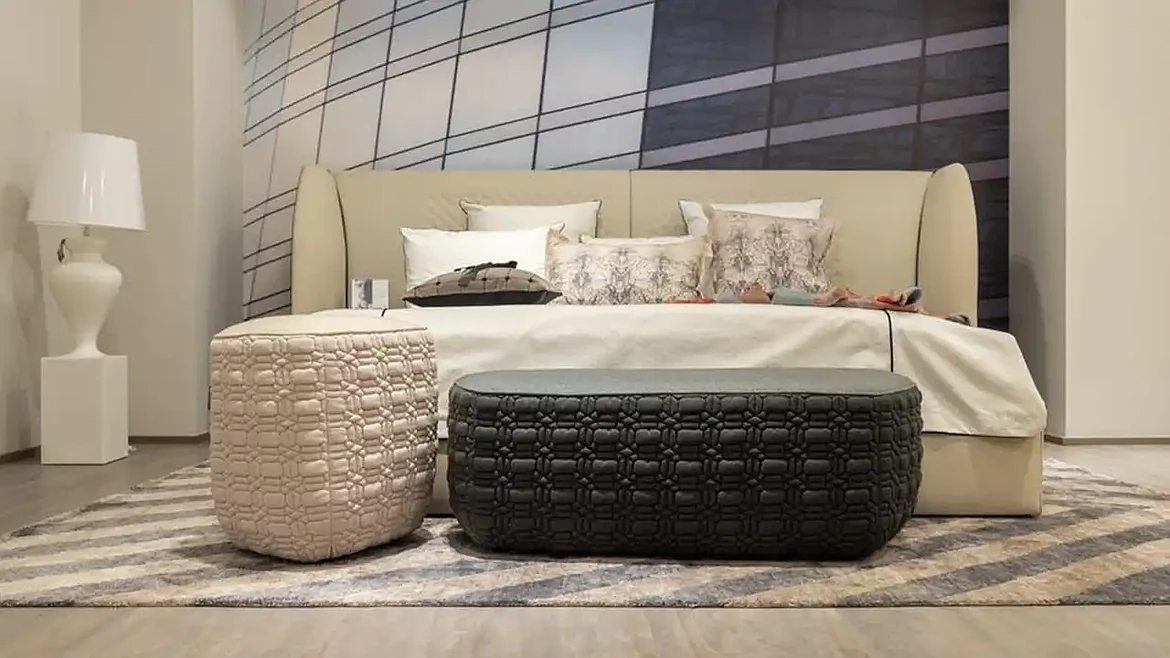
Multifunctional furniture is gaining traction because modern homes demand flexibility. Pieces that combine multiple uses help maximize space, reduce clutter, and make rooms adapt to changing daily needs. As homes become smaller, furniture that performs more than one role is becoming a practical design solution.
Picture a living room that shifts throughout the day. A coffee table lifts into a work desk in the morning, a compact dining spot in the evening, and a place to gather at night. What once required several pieces of furniture can now happen with one.
Homes today often need to serve many purposes at once. Living rooms double as offices, spare bedrooms become workout areas, and small spaces must work harder than ever. Multifunctional furniture responds to that reality, offering smart design that keeps homes organized, adaptable, and comfortable.
What Is Multifunctional Furniture?
Instead of dedicating a single item to one task, these compact living solutions allow homeowners to adapt furniture to different needs throughout the day. This approach is especially useful in homes where space must support work, relaxation, storage, and entertaining.
This design philosophy focuses on flexibility and efficiency. A single piece can replace multiple traditional items.
Innovative Storage Ideas: Staying Organized
Keeping a home organized can be challenging, especially when storage space is limited. Multifunctional furniture combines everyday furniture with built-in storage features that keep items out of sight but still easily accessible.
Many multifunctional pieces are designed with hidden compartments, drawers, or shelving that help reduce clutter. The following allow homeowners to store items such as blankets, books, or electronics without adding extra cabinets or shelves to the room:
- Storage ottomans
- Beds with built-in drawers
- Coffee tables with lift-up tops
- Platform beds with integrated shelving
- Side tables with concealed drawers
This built-in organization can make daily routines more efficient. Frequently used items remain close at hand while surfaces stay clear and tidy. In smaller homes or apartments, this type of design helps maximize storage while maintaining an open and comfortable layout.
Multifunctional furniture also encourages more intentional organization. When storage is integrated directly into furniture, homeowners often become more mindful about what they keep in each space.
Supporting Remote Work
The growth of remote and hybrid work has reshaped how people use their homes. Spaces that once had a single function now often need to accommodate work tasks as well.
Many people rely on adaptable furniture to create temporary workspaces. Fold-down desks and storage cabinets with built-in work surfaces allow a room to shift between work and relaxation throughout the day. When the workday ends, the furniture can be returned to its original function.
Choosing Multifunctional Furniture for Your Home
Identify versatile home decor that could replace multiple items. Sofa beds can provide seating during the day and sleeping space at night.
Storage benches and ottomans add hidden compartments for blankets, books, or seasonal items. Expandable dining tables allow homeowners to adjust the size of their seating area depending on the occasion. You could even look at DreamSofa's custom sleeper sofas.
Durability and ease of use are also important considerations. Furniture that transforms or adjusts should operate smoothly and feel sturdy during everyday use. Hinges and sliding components should be reliable so the furniture can transition between functions without difficulty.
Consider the overall size and layout of the room. Multifunctional furniture should fit comfortably within the space and allow enough room for movement.
Well-proportioned pieces can improve both the function and visual balance of a room, helping homeowners create spaces that feel organized and comfortable.
Styling Tips For Space-Saving Furniture
One effective approach is maintaining a consistent color palette. Neutral tones allow multifunctional pieces to integrate smoothly with surrounding decor. These include:
- Soft grays
- Warm woods
- Muted earth colors
- Light taupe or sand shades
- Natural linen hues
When furniture blends visually with the room, it reduces visual clutter and makes the space feel larger.
Compact furniture often performs best when paired with lighter decor choices. For example, streamlined lighting fixtures and minimal accessories help keep the focus on the room's layout rather than overcrowding the space with competing elements.
Layered storage can further improve both style and organization. Open shelving, baskets, and decorative storage boxes allow frequently used items to remain accessible while keeping surfaces tidy. This approach works especially well with multifunctional pieces that already contain hidden storage compartments.
Leave enough open space around key furniture pieces. Multifunctional designs often need room to expand, fold out, or adjust. A sofa bed or fold-down desk should have adequate clearance so it can transition between uses without disrupting the rest of the room.
Frequently Asked Questions
What Rooms Benefit the Most From Multifunctional Furniture?
Rooms that serve multiple purposes tend to benefit the most from multifunctional furniture. Spaces such as living rooms, home offices, guest rooms, and studio apartments often need to support several activities throughout the day.
For example, a living room may double as a workspace. A guest room might also function as a hobby room or home office. Multifunctional pieces allow these spaces to adapt without adding extra furniture or clutter.
What Is the 80/20 Rule in Decorating?
The 80/20 rule in decorating is a design guideline that helps create balance in a room. Around 80 percent of the space focuses on cohesive, neutral, or timeless elements such as wall colors and larger furniture pieces that establish the overall look.
The remaining 20 percent is where personality comes in. Accent pillows, artwork, statement lighting, or patterned textiles can introduce bold colors, trends, or contrast. This mix keeps the room visually interesting while maintaining a clean design.
What Makes a Bedroom Look Tacky?
A bedroom often looks tacky when the design feels cluttered or inconsistent. The following can make the space feel chaotic instead of relaxing:
- Clashing colors
- Mismatched furniture styles
- Too many decorative items
- Outdated bedding or worn fabrics
- Cheap trinkets
Poor lighting, overly bold patterns, and worn or low-quality materials can also contribute to the problem. A cleaner layout and a few well-chosen decor pieces usually create a more polished and comfortable bedroom.
Multifunctional Furniture: Start Shopping Today
Multifunctional furniture is a great choice for many families.
Are you looking for more advice on transforming your home? Our website has lots of other great posts.
This article was prepared by an independent contributor which helps us continue delivering quality content to our audiences.