
Gun training on the rise: What you need to know about getting armed and educated
Cristal Dyer | Bonner County Daily Bee | UPDATED 8 months, 1 week AGO
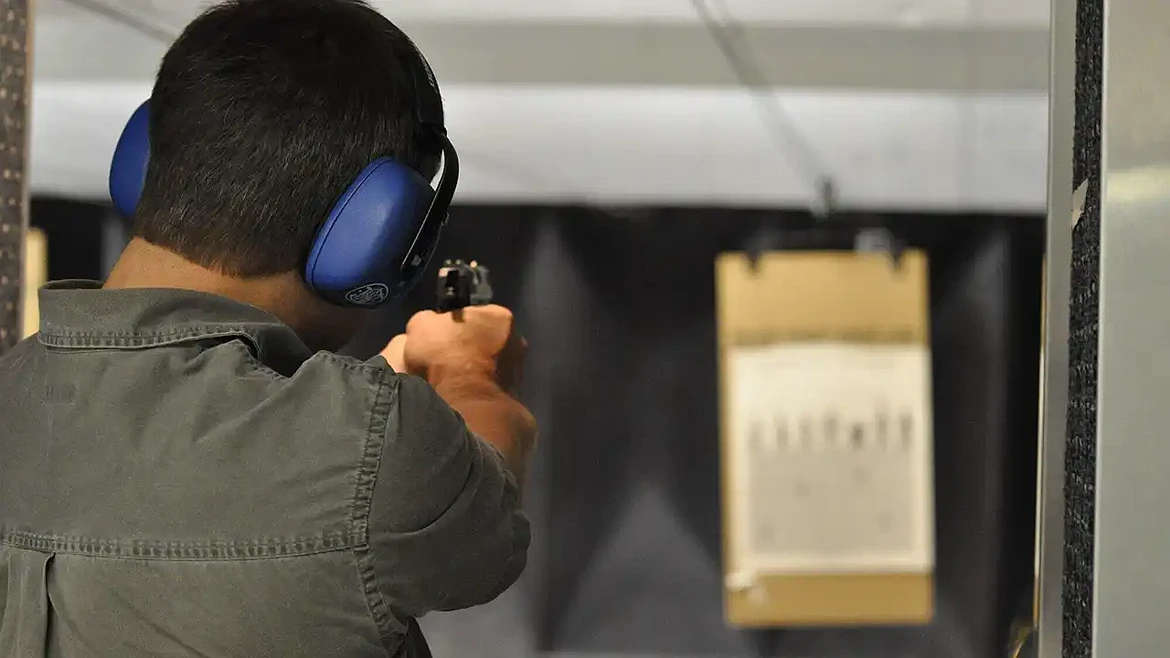
Getting armed and educated starts with finding an accredited gun training course, confirming your eligibility under state and federal law, and completing both classroom instruction and live-fire practice. Most beginner courses run six to eight hours and cost between $100 and $500, with firearm rentals typically available so you can start without owning a gun.
Around 32% of American adults personally own a firearm, according to a 2023 Pew Research Center survey. That's roughly one in three households, yet formal training remains optional in most states. The gap between ownership and education is wide, and it carries real consequences.
What separates a gun owner from a responsible one often comes down to a single decision: getting educated. This article gives you everything you need to make that decision with confidence.
Why Are More Americans Seeking Gun Training?
Gun enrollment has grown across the U.S. in recent years, and several factors seem to be contributing to that shift. Safety concerns are one key reason, and shifting demographics may be playing a role as well.
The variety of people showing up to train has seemingly changed the look of a typical firearms class. Female participation in formal gun lessons appears to be on the rise, with more women seeking structured instruction as a practical approach to personal safety.
Crime worries, debates around public safety, and a post-pandemic rebound in in-person classes could also be pushing more people toward professional instruction. Many new gun owners seek structured courses rather than figuring things out alone, and that pattern seems likely to continue.
Understanding the Legal Landscape
No federal law requires gun safety training before purchasing a firearm. Still, nine states, including California, New Jersey, and Maryland, require a safety course as part of the buying process, and that list could grow.
Idaho sits with the majority of states that impose no training requirement for gun purchases. Eligible buyers can purchase firearms from licensed dealers or private sellers without completing a safety course, obtaining a permit, or registering the firearm. Standard federal eligibility rules apply, including age requirements and a background check.
Concealed carry rules vary quite a bit by state. Idaho is a permitless carry state, meaning adults 18 and older who are legally eligible can carry a handgun openly or concealed without training. An optional Enhanced Concealed Weapons License is available for those who want reciprocity benefits in other states, and it does require a basic firearms course.
How Do You Choose the Right Training Course?
Finding the right gun training course starts with knowing your skill level and what you want to achieve. Different programs vary in length, cost, and focus, so it pays to compare a few options before committing.
Popular Course Options
Finding the right fit among available gun courses takes a bit of research upfront. Options exist for every skill level and schedule, and costs typically run between $100 and $500. Most ranges offer firearm rentals, so you do not need to own a firearm before your first class.
Three widely recognized options cover different skill levels:
- NRA Basic Pistol covers gun safety and handling basics in an eight-hour beginner format
- USCCA Concealed Carry focuses on draw techniques and defensive tactics for intermediate learners
- Gunsite 250 Pistol delivers advanced tactical training across five full days for self-defense goals
What to Look for in an Instructor
The quality of your instructor matters as much as the curriculum itself. Credentials are fairly easy to verify through nrainstructors.org or shootingclasses.com. Look for someone with a background in law enforcement or the military, as real-world experience tends to translate into more practical, applicable instruction.
How Responsible Gun Training Empowers Individuals
Proper training builds practical skills with real-world value. Learning how to shoot in a structured setting tends to develop discipline and situational awareness that extend into everyday life.
Personal Confidence
Developing solid firearm handling skills builds self-assurance that goes well beyond the range. First-time students often describe the shift from uncertainty to capability as one of the most valuable outcomes of completing a course. Women, in particular, have reportedly found that completing a course changes their approach to personal safety in a very real, lasting way.
Self-Defense Capability
Trained individuals respond more effectively in high-pressure situations like a home intrusion. Shooting guns accurately under stress is a skill that takes deliberate, repeated practice to develop.
Good courses address both the physical mechanics of firearm handling and critical decision-making under pressure, building a complete skill set. The mental repetition of safe draw techniques and target acquisition, in some respects, becomes second nature with regular practice.
Community Impact
Responsible gun owners contribute to safer neighborhoods in practical ways. Secure storage practices and solid legal knowledge really do reduce the risk of accidents and theft. Regular training helps owners stay current on safe storage laws, many of which states have updated in recent years.
For those who progress to reloading their own ammunition, suppliers like Diamond K Brass provide premium once-fired brass and reloading components to support consistent, cost-effective practice.
Frequently Asked Questions
Do I Need to Own a Gun Before Taking a Training Course?
Most introductory courses do not require personal firearm ownership. Ranges typically provide rentals, so first-time learners can get started without any upfront equipment investment.
How Long Does It Take to Become Proficient Enough for Concealed Carry?
Timelines vary by individual, yet most instructors suggest completing a foundational course of at least 8 hours, followed by regular range practice of around 50 to 100 rounds per month. Consistency over time tends to matter more than any single training session.
How Often Should I Refresh My Training?
Firearm safety organizations typically recommend annual refreshers. Certain states with permit requirements mandate four to eight hours of renewal training each year, and periodic practice keeps safe handling skills sharp, even where renewal is not legally required.
Trained, Prepared, and Ready to Take the Next Step
Gun training gives people practical skills, sharper situational awareness, and the confidence to act responsibly under pressure. From understanding state-specific legal requirements to choosing the right course for your skill level, this article has laid out a straightforward path to informed firearm ownership.
Staying educated is a continuous process. Head over to our Local section for regionally specific resources, recommended facilities near you, and guidance tailored to where you live.
This article was prepared by an independent contributor which helps us continue delivering quality content to our audiences.