
THE DIRT: The restoration of Prichard Creek
Coeur d'Alene Press | UPDATED 5 months, 2 weeks AGO
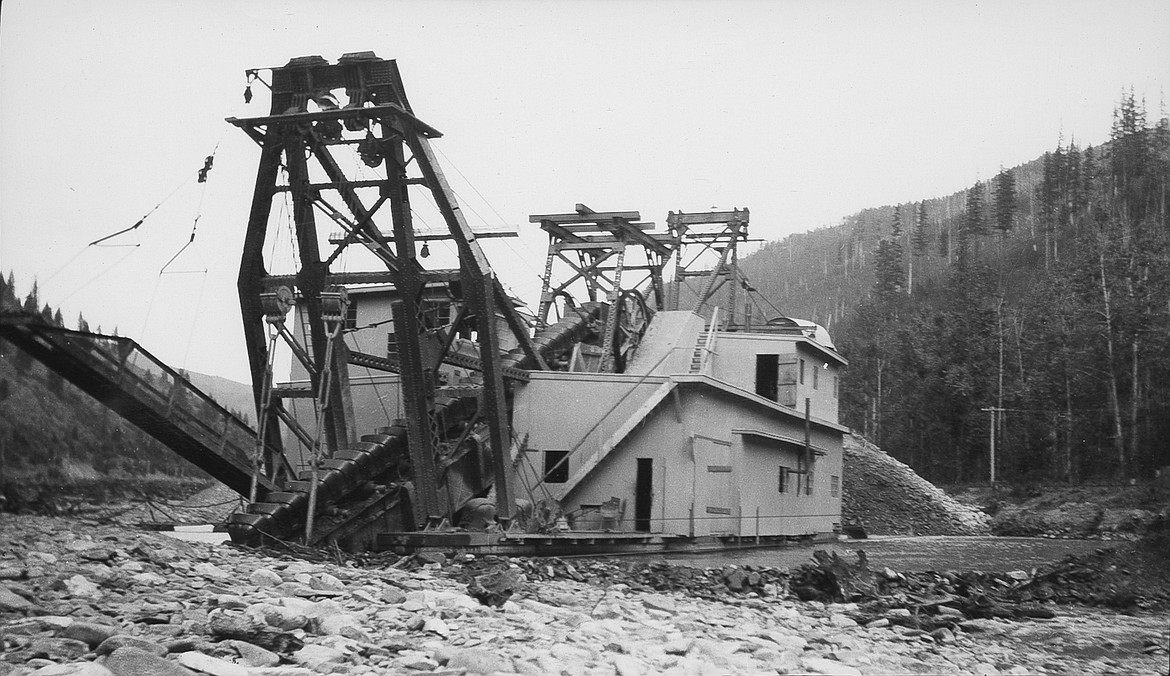
In 1879, AJ Prichard discovered gold in Prichard Creek, setting off the mining rush in the Coeur d’Alene basin. Prichard Creek is a tributary to the North Fork Coeur d’Alene River and was the site of several hard-rock mines and mill sites in the 1900s. Placer and lode mining dominated early mining efforts until a large dredge was brought in from Alaska by the Yukon Gold Company in 1917 and operated until 1926. The massive dredge was 106 feet long, 44 feet wide, and 6 stories tall. It worked 24 hours a day, manned by a crew of 12. Reports indicate that it dug down more than 20 feet into the riverbed.
The dredge turned over about five miles of the creek and floodplain, leaving behind a barren landscape of tailings. The disturbance altered the stream channel, causing water to flow subsurface and impairing the habitat and river function throughout the entire length of Prichard Creek to the confluence. Today, an approximately three-mile stretch of the creek near the town of Murray loses water for part of every year. Westslope cutthroat trout and other native fish species persist in Prichard Creek but lack connectivity to the upstream headwaters.
The Idaho Forest Group, which owns 10.5 miles of land adjacent to the stream channel, became interested in restoring the degraded stream and entered into a partnership with Trout Unlimited, with funding and support from the Restoration Partnership, sponsored by the Idaho Department of Environmental Quality.
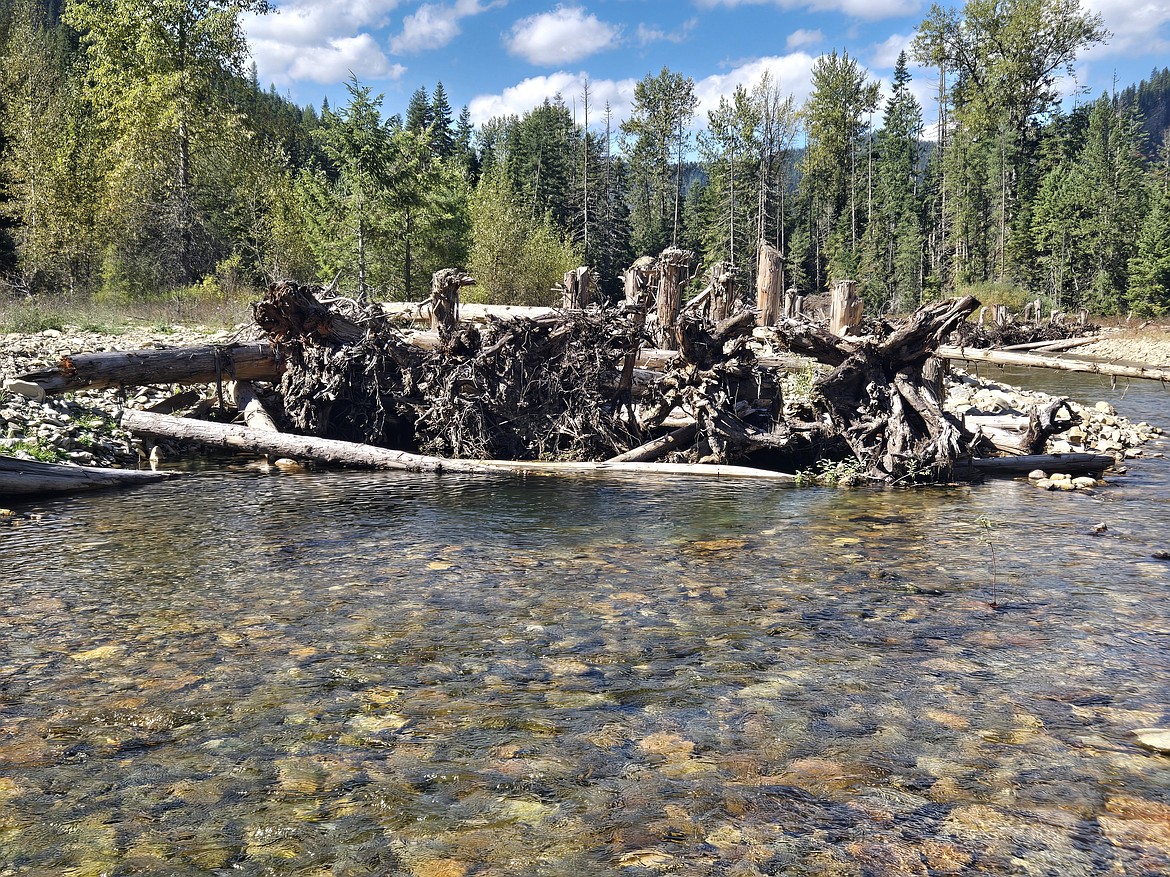
Though the partnership between a timber company and a conservation group was unusual, it has proven extremely successful. In 2023, after years of planning and work to improve habitat and river function in the lower four miles of the creek, the construction of 62 log structures was completed, and over 5,000 willow stakes and 3,000 riparian and upland plants were planted.
After two years, the structures are showing success in creating pools, dividing flow to move water into side channels, trapping sediments, and creating islands of vegetation. The new structures have attracted beavers' attention, and they have moved back into the main channel in some areas, where they had been largely absent. The valley bottom was likely historically inundated and teeming with life. The IFG property was placed into a conservation easement with the Kaniksu Land Trust, ensuring that the improvements are sustained in the future.
Building on the success of the initial project, a design process is underway for the next phase, which will address the dredged area and the dewatered section of the creek downstream of Murray. It will likely be several years before the project's implementation. Project partners will host meetings to keep the public informed regarding the next phase. AJ Prichard is buried in the cemetery near Murray; his legacy is evident throughout the valley. Through partnerships, we hope to honor that legacy and restore the rich environment that attracted Prichard and countless others to this region.
For additional information on projects: northidahotu.org Cathy Gidley, North Idaho Program Manager [email protected]
The Dirt is a series of informative articles covering all aspects of cleanup efforts at the Bunker Hill Superfund Site. Our goal is to promote community awareness of contamination issues, provide tools to protect public health, and keep the community informed about current and future cleanup projects. The Dirt is a group of committed and local experts from multiple agencies, including the Basin Environmental Improvement Project Commission, Panhandle Health District, Shoshone County, Silver Valley Economic Development Corporation, and the Idaho Department of Environmental Quality.
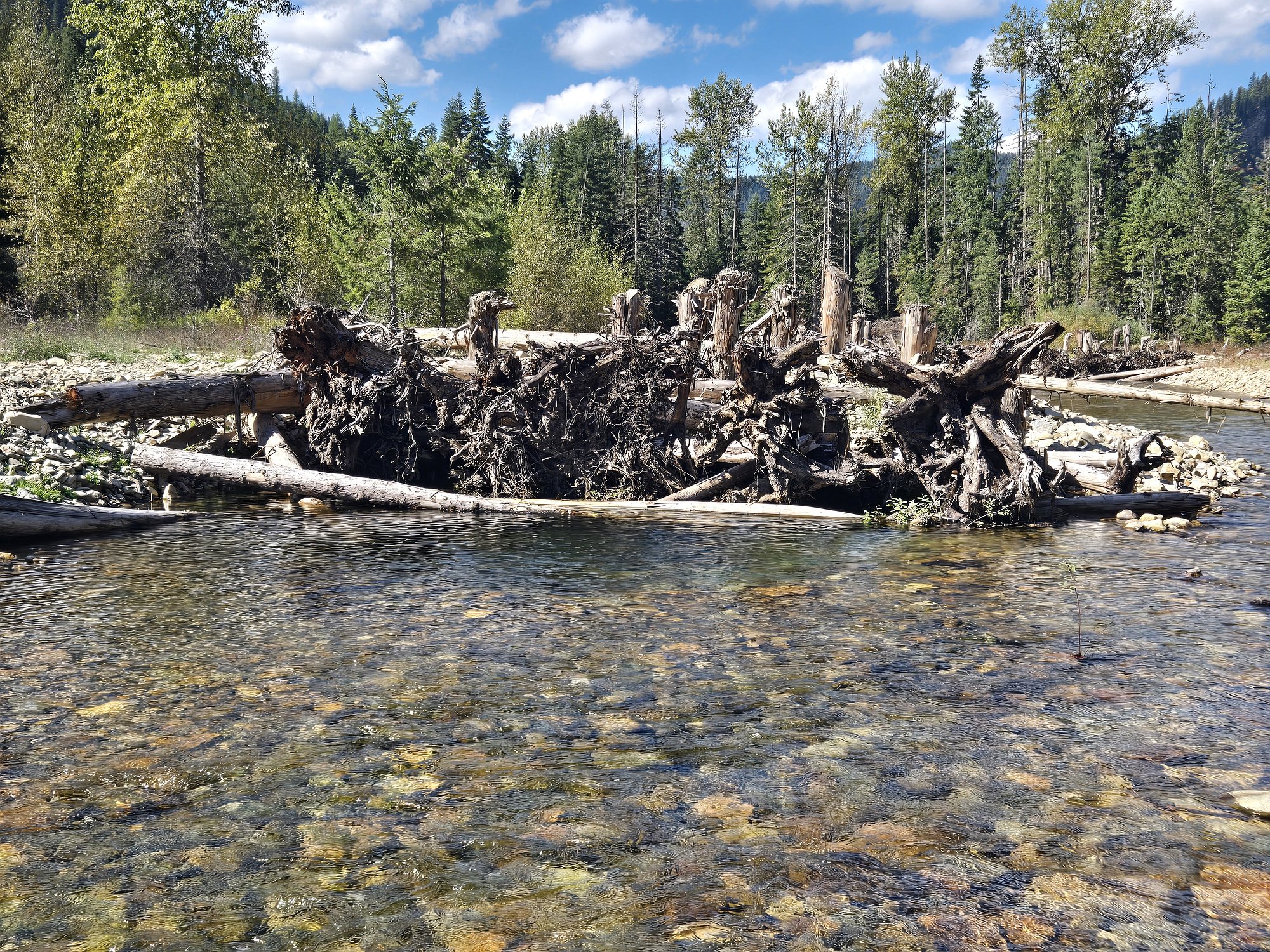 An engineered structure built along Prichard Creek in 2023.