
Summit highlights restoration efforts in North Idaho
HAILEY HILL | Hagadone News Network | UPDATED 2 hours, 55 minutes AGO


COEUR d’ALENE — A lot of great things are happening in North Idaho, said Kootenai Environmental Alliance board president Dave Muise as he welcomed around 50 people to the organization’s third annual Green Summit.
“These professionals and volunteers are doing some amazing work,” Muise said.
Saturday’s summit highlighted both the progress stakeholders have made and the work that remains on projects aimed at restoring and protecting North Idaho’s natural resources and wild places.
Big Creek Restoration Project
Work in the Big Creek watershed in Shoshone County has already freed up two miles of rearing and spawning habitat for Westslope cutthroat trout.
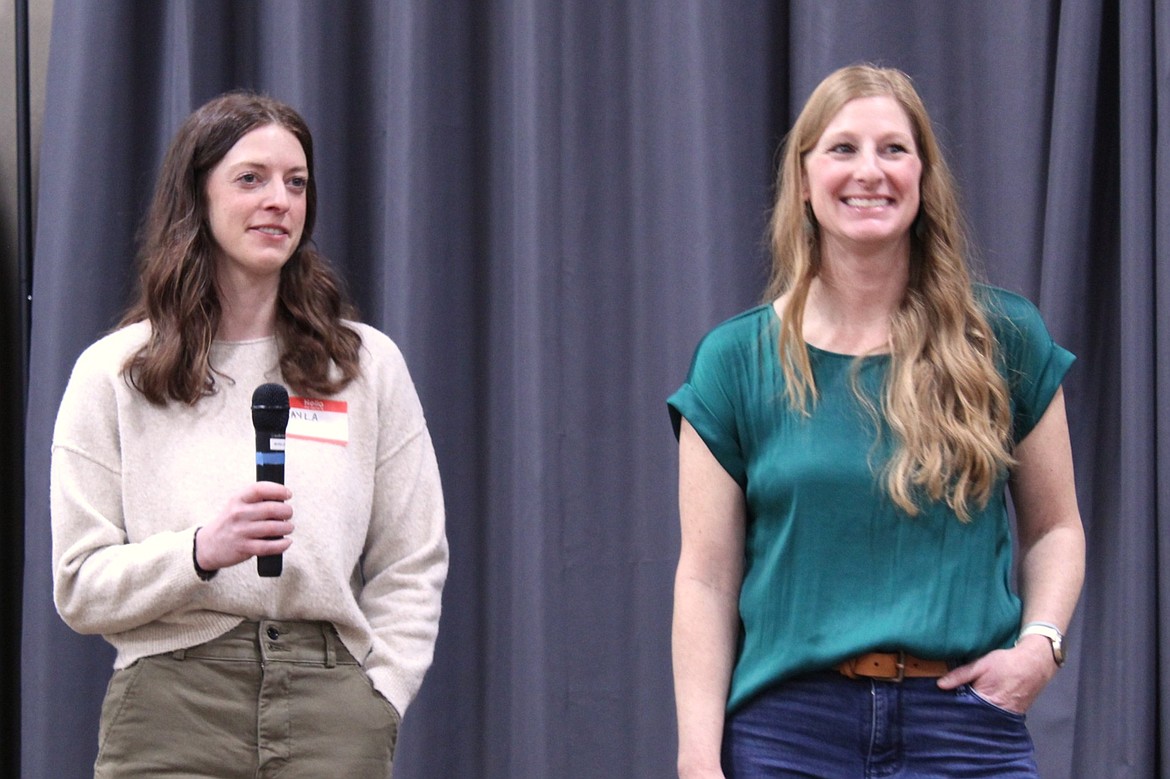
Following the full removal of a dam in October, the “stream is naturalizing, realigning, and fine sediments have been flushed out,” Laura Cannon and Kayla Kassa with HMH Engineering shared.
The dam removal was a key step in the broader effort to restore the Coeur d’Alene Basin, which aims to reverse environmental damage caused by historic mining contamination.
But work at Big Creek isn’t done yet.
Later this year, removal of another dam will open up 14 additional miles of Westslope habitat.
“This will be kind of a huge milestone,” said Rebecca Stephens with the Coeur d’Alene Tribe.
This work will be made possible through the Restoration Partnership, the members of which include the U.S. Fish and Wildlife Service, the Bureau of Land Management, the Coeur d’Alene Tribe, Idaho Fish and Game, the U.S. Forest Service and the Idaho Department of Environmental Quality. Trout Unlimited and the Central Shoshone Water District will also be involved in the removal of the second dam.
Preventing excessive wakes on small waterways
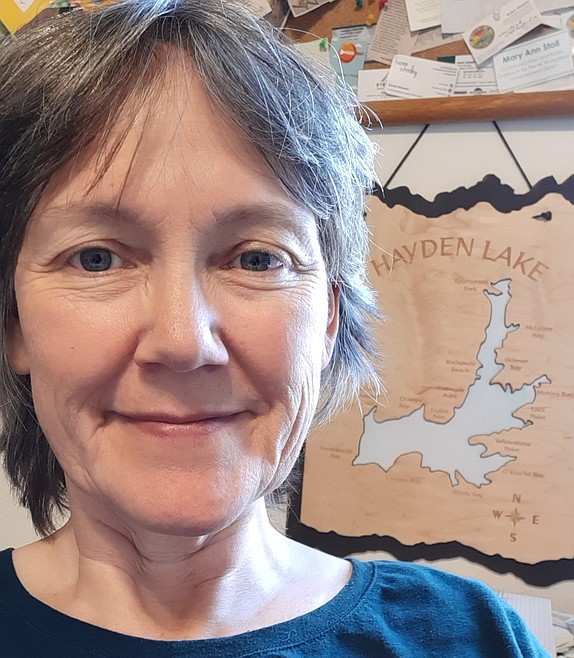
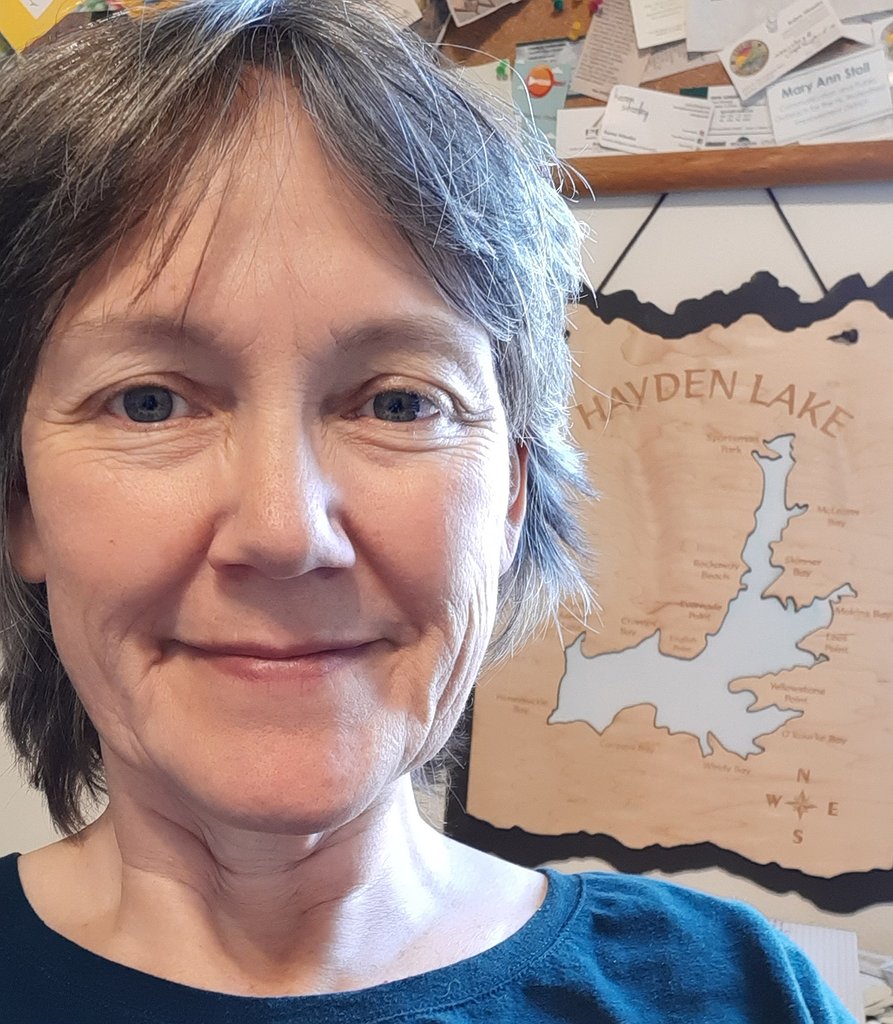
North Idaho’s small waterways are facing widespread issues due to recreational use and excessive wakes from watercraft, according to Mary Ann Stoll of North Idaho Small Waterways.
Hayden Lake, along with Fernan, Hauser, Upper and Lower Twin, Spirit, and Cocolalla lakes, as well as the Spokane River, have all experienced declining water quality.
About 75% of these small waterways have also recorded wake-related damage, 50% have eroding shorelines, and 30% are now dealing with invasive aquatic plants, Stoll said.
“All of (these waterways) are small — yet still precious, still valuable,” she said. “Their sparkle has begun to tarnish just a tiny bit.”
But there is hope, she emphasized, thanks to a “collaborative and multi-faceted" community response, particularly in the Hayden Lake area.
Through a partnership with the Kootenai County Sheriff’s Department, the public, and several local organizations, 37 “no wake zone” buoys were placed in the waters of Hayden Lake for a trial run last year.
Outreach to residents and boaters has also helped encourage better behavior on Hayden Lake.
“Hayden Lake boaters are the best informed,” Stoll said. “All effort is helping.”
Stoll is advocating for the creation of a regional small waterways alliance to “amplify the needs and voice of the underserved lakes.” A workshop will be held this spring.
“We’re committed to bringing advocates together to collaborate on ideas,” she said.
The “Bridge to Nowhere” wildlife overpass
Just outside Osburn, a wildlife overpass spanning I-90 is giving animals a safer way to move across one of the region’s busiest transportation corridors.
Completed in 2025, Idaho Fish and Game repurposed an existing bridge and installed new fencing to funnel wildlife toward a designated crossing point designed to reduce collisions and reconnect habitat on both sides of the highway.
While wildlife crossing projects typically cost around $6 million, repurposing the existing “bridge to nowhere” cost about $650,000, funded through grants, initiatives, and a contribution from IFG.
“This project was much cheaper and easier than it would be to start completely new,” said Laura Wolf with IFG.
In the years leading up to the project, dozens of animals had been struck along this particular stretch of I-90, Wolf said.
In less than a year, IFG has documented more than 120 wildlife crossings, including white-tailed deer and elk, using both the overpass and a nearby wildlife underpass.
“We learned that you can do a lot of good for considerably less money,” Wolf said.
IFG is looking to build on the success of the Osburn wildlife crossing by identifying other existing infrastructure along I-90 and throughout the Panhandle for similar projects.
 Stephens
 Stoll
Stoll Wolf
WolfARTICLES BY HAILEY HILL

Summit highlights restoration efforts in North Idaho
Dam removal expected to open up 14 additional miles of Westslope habitat
A lot of great things are happening in North Idaho, said Kootenai Environmental Alliance board president Dave Muise as he welcomed around 50 attendees to the organization’s third annual Green Summit.

A familiar face at the helm of Hagadone Marine Center
Hagadone Marine Group has named Taylor Fore as general manager of Hagadone Marine Center, tapping a longtime company leader to oversee operations at one of the region’s largest marine facilities.
Residents weigh in on McIntire park plans
Upgrades could include fitness stations, gardens
Two Master Plan concept maps drawn up by Architects West were presented during an open house at City Hall Thursday night. Attendees were encouraged to vote by placing a sticker on their preferred layout, share feedback with representatives from Architects West, and discuss the park’s future with neighbors.