
Highlighting rural needs as busy session comes to a close
REP. MARK SAUTER / Contributing Writer | Bonner County Daily Bee | UPDATED 8 months AGO
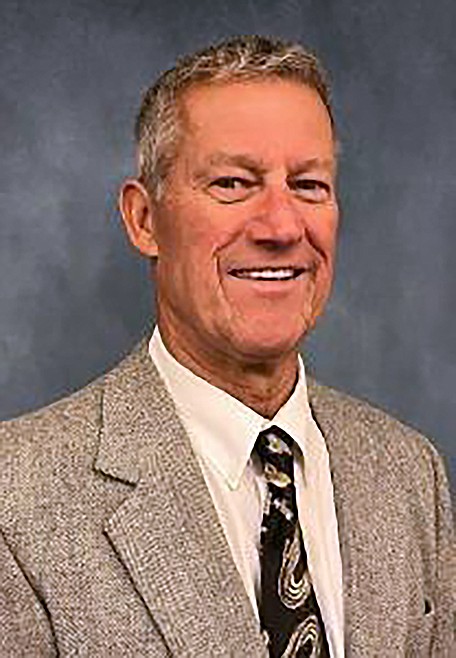
Sauter
They say this legislative session is within a couple weeks of ending. Despite over 100 new bills being introduced in these last two weeks, the overall number of bills ready for a vote are starting to decline.
Over the last two weeks, I have worked on several bills and a report for our area. I’m hopeful I can most of these efforts through the House and Senate and signed by the Governor before the Capitol business wraps up.
The 2025 Big Beautiful Bill (BBB) included a $50 billion grant program called the Rural Health Transformation Act (RHTA). Last fall the Dept of Health and Welfare made a request for funds on behalf of the state. This request resulted in an award to Idaho of approximately $195 million per year for five years once the Federal Government starts funding the states RHTA programs. It’s important to note, the $50 billion has already been appropriated.
Healthcare providers encompass hospitals, doctors, medical staff and the medical facilities that serve as a foundation for their service. However, there is more, there are Hospital Associations, Medical Associations, physician training programs and nursing and other specialty care training programs that all must work together to provide the service we need.
Then there is the political part…. Who decides how the BBB funding is used? How will hospitals, facilities, equipment and training programs get funded? Where will the funds be sent? What’s the make-up of the RHTA committee? My experience is, making grant money available can bring out the best and worst in well-meaning people.
I took it upon myself to write a brief report for the Speaker of the House about the rural healthcare situation in our district. I provided lists of concerns with brief justifications and many suggested areas for improvements. I’ve shared the report with others as well. I’m hopeful some/all of my recommendations get some traction in the funding process. I volunteered to help with the Committee work, as well, in any way that I could. Last, I stressed the importance of having representatives from the rural areas of Idaho helping to make the decisions for our rural communities.
When I met with House Speaker Moyle a few days later to discuss other issues, he let me know he had seen the report and would take it into consideration. That’s a start. I won’t be letting this issue drop.
The insurance bills (non-renewal time extension, fire insurance rating transparency) I have previously written about had committee hearings recently. The committee voted to send the non-renewal bill to the full House for a vote (it subsequently passed and is now before the Senate for a vote). The transparency bill was held by the committee. So, our residents and business owners are a few steps closer to having more time to make important insurance decisions. The rating information for policy owners and fire districts will have to wait another year before it is available.
I also carried three bills to help our fire and EMS agencies do their business more efficiently. The first bill enables fire districts to adjust their boundaries with another fire district. Same bill also enables municipal fire departments to consolidate with a fire district. This bill was written to address districts across the state. It provides efficiency options to consider for fire district trustees (with other fire districts) and city councils. This bill is now before the Senate.
The other two fire district bills involve impact fees. I believe growth should pay for growth and these impact fees are one-time fee paid when new construction projects are started in some areas. The 2 bills do not begin or expand the impact fee option for a fire district (that already exists). They do not increase taxes or change the way the fees are developed (that is currently in statute). One of the bills gives the authority to collect a fee to a fire district instead of having to ask a city or county to do so. The other bill seeks to enable the fees to be used to replace the fire engines originally purchased with impact fees. The authority bill is before the Senate now. The bill to allow impact fees for equipment replacement was held by a Senate committee.
I am grateful to have the opportunity to serve our district. If you have suggestions, thoughts or comments, please let me know…[email protected]
Mark Sauter represents Bonner and Boundary counties in the Idaho Legislature in District 1A. He can be reached at [email protected].