
Where nature leads, the heart follows
VALLE NOVAK / Contributing Writer | Bonner County Daily Bee | UPDATED 8 months AGO
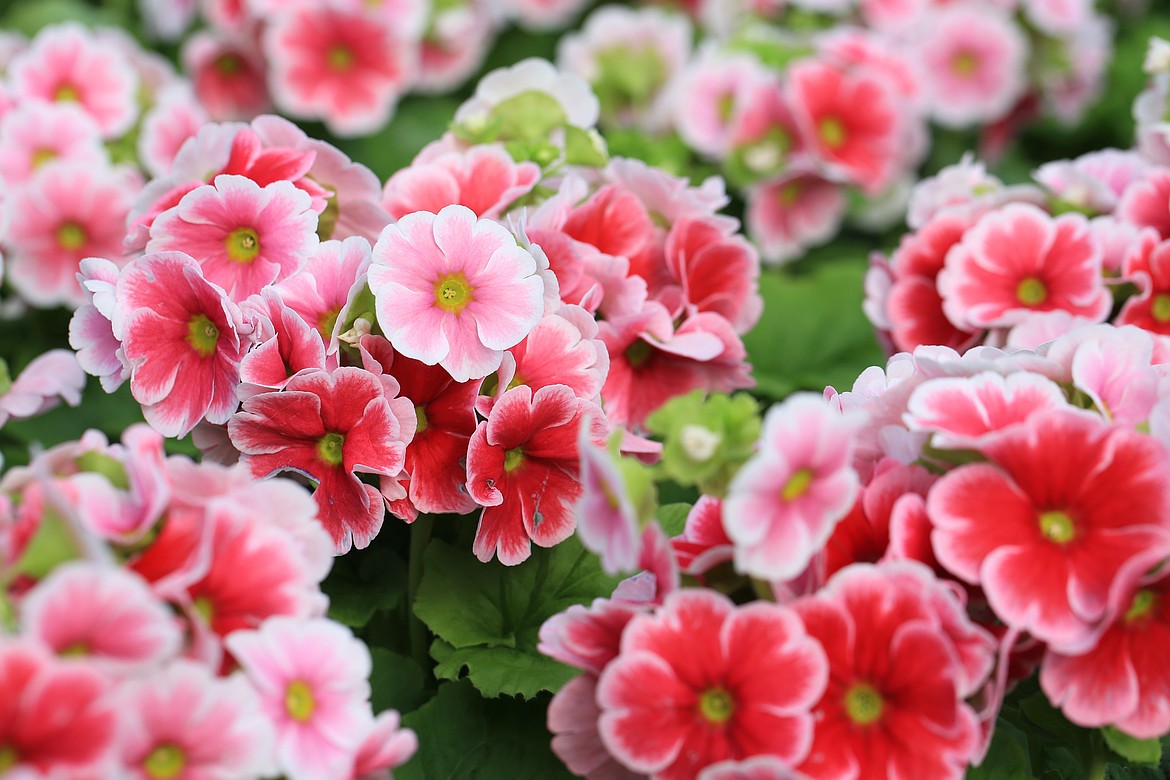
Primrose flowers have welcomed spring for several years in its wild surroundings.
Photo via SHUTTERSTOCK
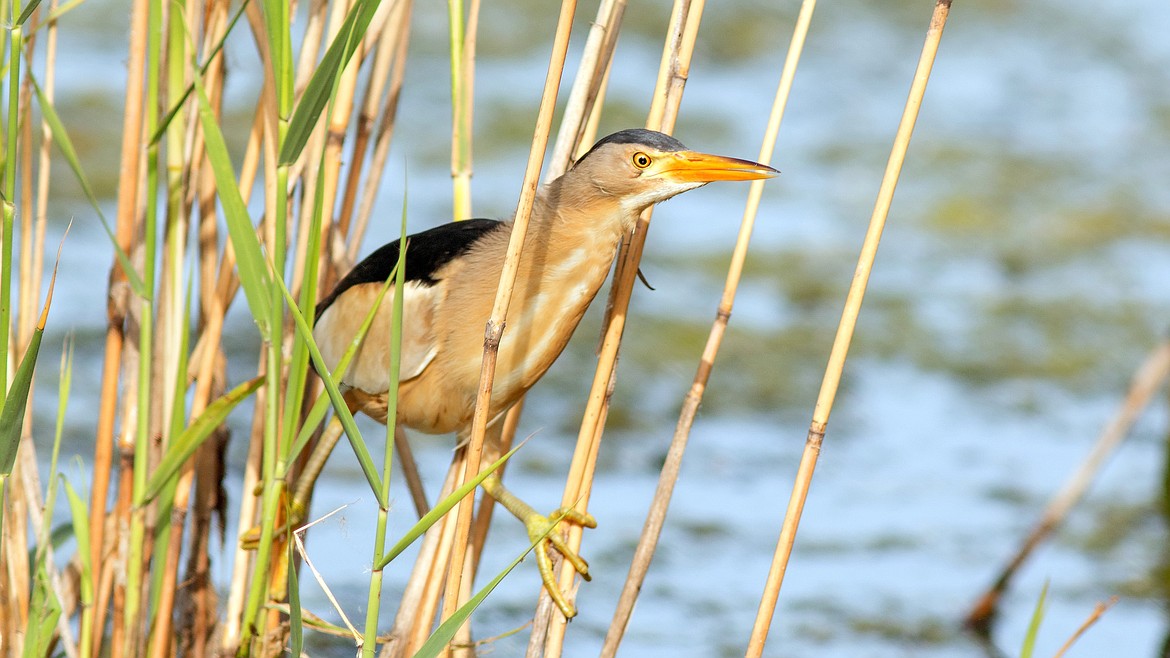
An American bittern, nicknamed the “slue‑pumper,” blends into its cattail home.
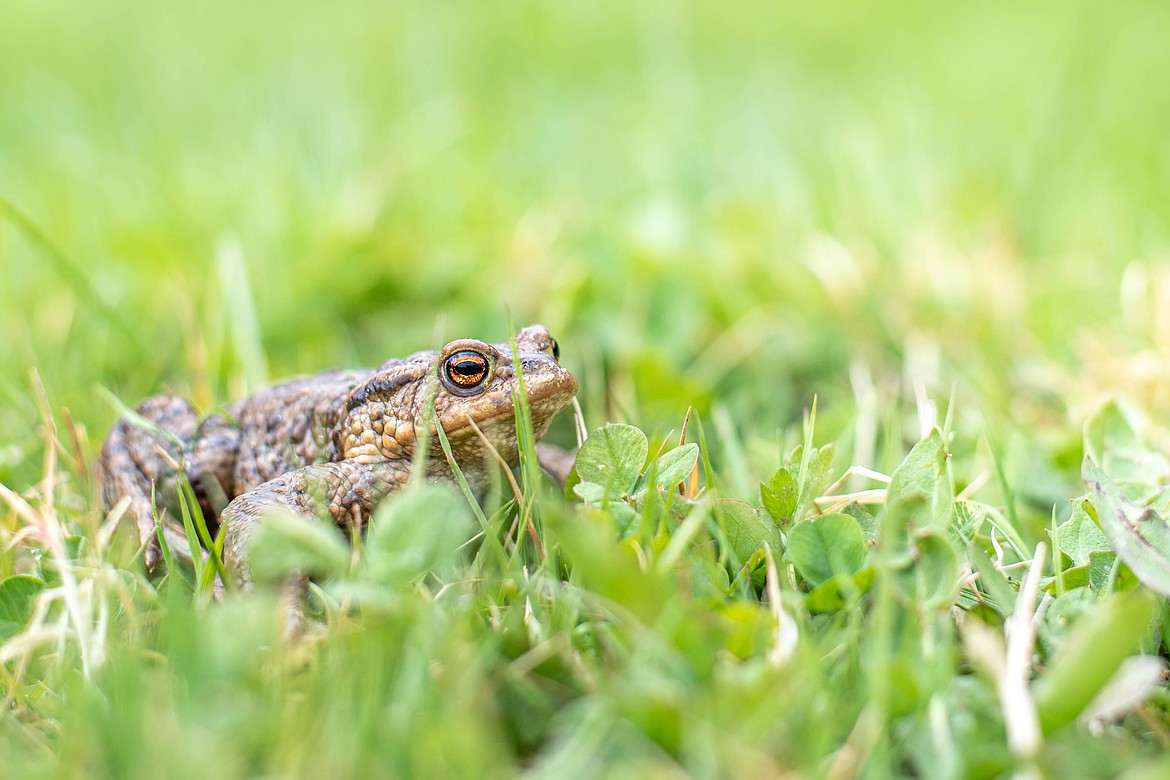
A toad settles into the damp grass of a backyard garden, a welcome helper in keeping insects in check.
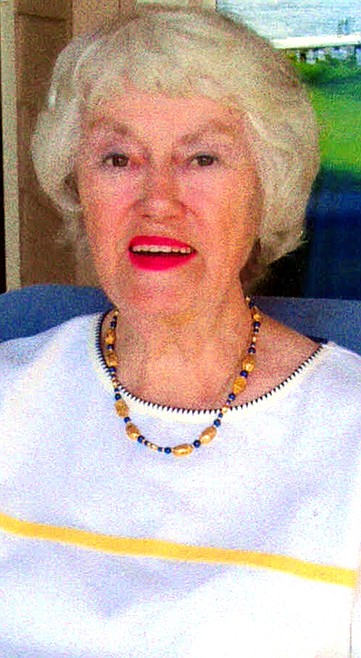
Valle Novak
Thoreau said, “Time is but the stream I go a-fishing in” — and I’ll buy that, though I haven’t fished for years. The stream, however, is a well-remembered reality that has guided the entire thrust of my life: a love for the wild — the forest and all its creatures, birdsong, bee-hum, the strange clarion of the elk calling for a mate, and so much more.
The stream in question was a tiny babbling brooklet that came down a miniature pebble-bottomed “ravine” decorated with mossy rocks that nurtured heavenly-scented pink linnaea or twin-flower — whose tiny bells and shiny leaves also crept along the banks. Surrounded by cedar and hemlock trees — one of nature’s loveliest partnerships — and filled with the exquisite trill of Swainson’s thrush, it was a fairyland to a 5-year-old girl. I had to kneel nearly upside down to sip the icy, rushing water, and the clean, clear taste held the hint of fir tree and blackberry roots, wild-rose scent and pine needles.
I was caught for good. I have never forgotten that place — nor that drink that baptized me forever as a child of nature.
Those were the years that, as an only child, I was the companion to my Daddy — who I came to realize was a true naturalist. We would drive for miles into the mountains, along Coeur d’Alene and Pend Oreille lakeshores, to flyways around Clark Fork and to the Cataldo area during spring and fall migrations. Thousands of ducks and geese would fly over and into the water — mallards and pintails of course, canvasbacks, shovelers, black ducks, old squaw, redheads, buffleheads, scaups, blue- and green-winged and cinnamon teal, mergansers, and shorebirds like sandpipers, curlews and snipe. And more. The cacophony was magnificent.
As a result of this upbringing, I became a close and enthusiastic observer of nature. Our Twin Lakes summer cabin made possible “alone but never lonely” wanderings whereby I discovered bitterns (called “slue-pumpers” because of their weird call) concealed in their cattail nests; a rookery of great blue herons in a giant cottonwood tree; gelatinous ropes along the shoreline dotted with black specks that grew into eggs and one day became a million darling, squirming tadpoles. I sat in the water among them day after day, letting them swim through my fingers and observing the beginning of their metamorphosis into froghood with the appearance of legs.
Back in town (Coeur d’Alene), I joined the Camp Fire Girls, which brought me into the company of like-minded girls, some of whom remained friends for decades. Later, in college, while majoring in journalism with speech-drama minors, I took ornithology, forestry and geology as non-required subjects to broaden my knowledge of the environment.
My “nature connection” never ended and included many wonderful and meaningful happenings through the years. My favorite: a one-on-one communication looking into the amber eyes of a seated cougar who was simply watching me walk through the woods from about 30 feet away. “How beautiful you are!” I said aloud (and sincerely meant it) as I continued to move slowly along my path. It acknowledged my compliment, stood up, extended its paws in a big stretch, then turned and ambled casually on its way. Since then, I have seen nearly 70 cougars through the years, with about three of them meaningful, respectful encounters of looking each other over and accepting at least alliance if not downright friendship. I love these beautiful felines and wish that some people were not so disposed to kill them out of hand.
After marriage, I became a Camp Fire leader to a group of third graders from St. Joseph’s Catholic School in Coeur d’Alene, and we remained together through their high school graduation — 10 delightful years. I never taught them the niceties of “sewing a fine seam” (to this day I cannot thread a needle!) but they were all proficient in swimming, canoeing, building a campfire and rolling a sleeping bag properly.
After years of babies, divorces, working and going about the business of living, I “retired” to Sandpoint in 1980. The first 10 years were spent in a great log house on Smith Creek Road off Wrenco Loop, then I moved to my current (and doubtless final) home at the base of Schweitzer. What heaven! I began a small sanctuary garden spot of native flowers and their cultivars in natural surroundings under native maple trees, white firs, cottonwoods and a giant serviceberry shrub: pulmonaria, foxglove, monkshood, columbine, iris, ferns, wild clematis, coral bells, sweet woodruff, violets, and interloping but welcome natives like Canadian dogwood, Solomon’s seal, Turk’s cap lily and many more.
The soil, naturally mulched, brought about the beneficial appearance of garden snakes, toads, salamanders and, of course, snails and slugs. The stewardship of countless chickadees, nuthatches, wrens, towhees, sparrows, creepers, finches, kinglets, tanagers, thrushes, hummingbirds, robins and other birdlife kept things in order. Bees, butterflies, ladybugs and dragonflies pollinated and groomed, and in the evening, the eerie cry of the nighthawk would sound from many throats as those wonderful birds feasted on mosquitoes and moths. Spring brought Thoreau’s “dream of the toads” to my house with the spring peepers’ ethereal song like a vibrant chord of music on the evening air — a primeval, thrilling sound. In the winter, at least 100 chickadees, along with other cold-weather visitors, swarmed my under-the-eave baskets of black oil sunflower seeds. All was well in Paradise.
In 2016, 26 years later, there was a pair of rufous-sided towhees; 23 chickadees and 12 nuthatches shared the seed baskets. One lone brown creeper came to its tree. There were no ruby-crowned kinglets, and just one golden-crowned kinglet. Where hummingbirds fought their feeder battles in numbers, just one couple came to the feeder. I had not heard nor seen a nighthawk (nor a red tanager) for 10 years. Where rosy/pink/purple finches once gathered, the last one was seen in 2013. I hosted three toads: two red-striped green tree toads and one Western toad.
Man’s greed has done this due to pesticides and their vicious neonics. Is it too late? Thoreau said, “As I live now, so shall I reap.” Join in protecting Mother Nature.
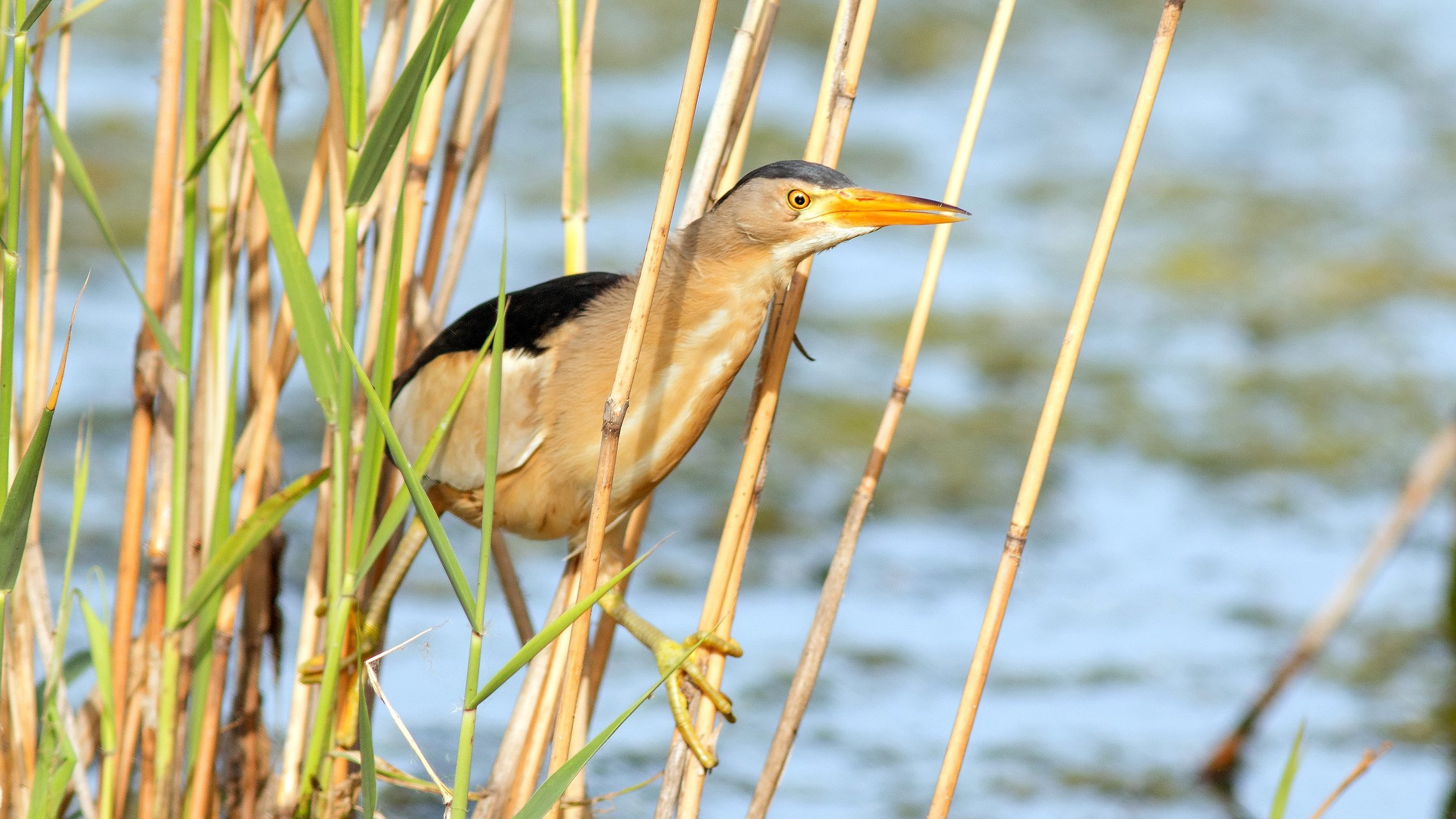 An American bittern, nicknamed the “slue‑pumper,” blends into its cattail home.
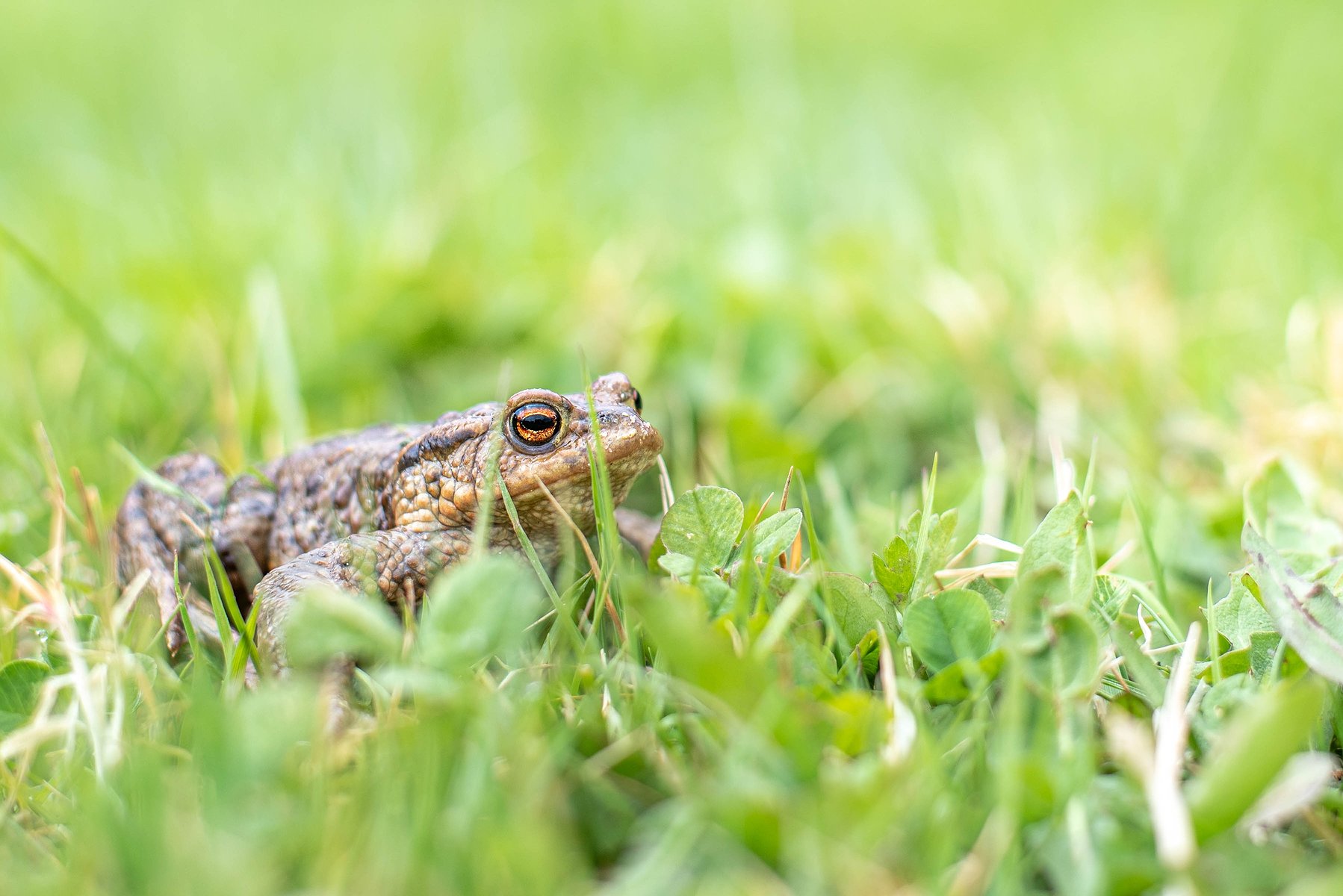 A toad settles into the damp grass of a backyard garden, a welcome helper in keeping insects in check.
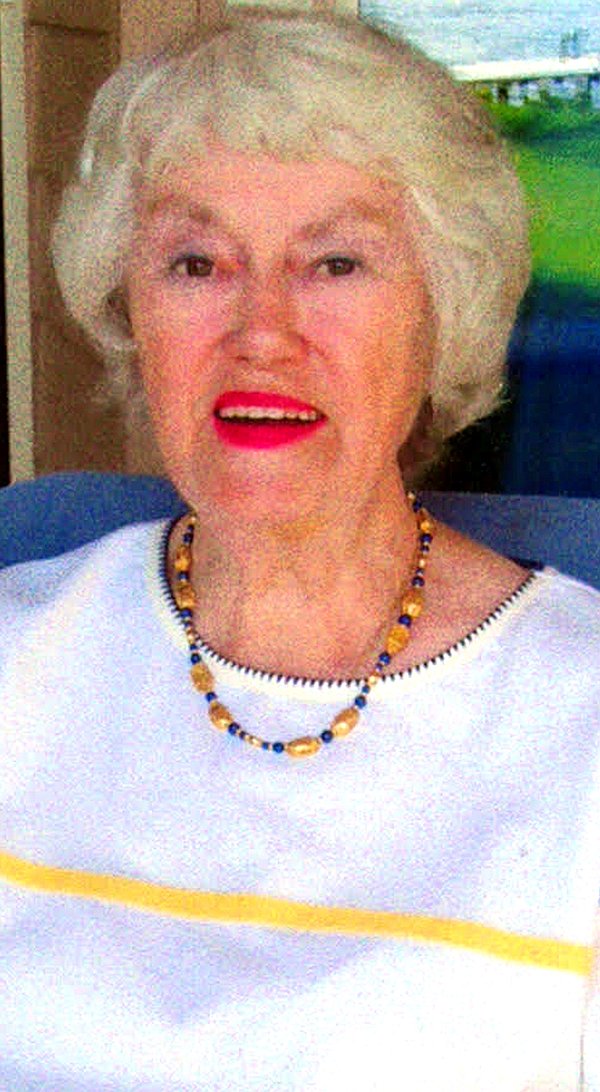 Valle Novak
Editor's note: For many years, Valle Novak wrote gardening and cooking columns for the Daily Bee. "Weekend Gardener" and "Country Chef" became renowned for their humor, information, and common-sense advice on how to do everything from planting to cooking. She left behind many columns such as this one to delight her many fans.