
Session's final week brings key debates, decisions
REP. CORNEL RASOR / Contributing Writer | Bonner County Daily Bee | UPDATED 5 days AGO
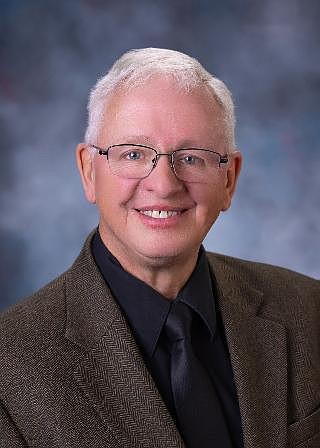
Rasor
As the 2026 legislative session draws to a close in Boise, these reflections likely mark my final notes from the State Capitol serving the people of District 1. It has been an honor and a privilege to represent you in the Idaho House of Representatives. I am truly grateful for the opportunity to work on your behalf, fighting for commonsense policies that protect families, promote opportunity and preserve the freedoms that make Idaho special.
While I regret that my schedule did not allow me to attend the town halls in person, I hope the detailed session reports I posted online, along with my Substack articles and weekly newsletter — which reached thousands of you — helped bridge that gap and kept our lines of communication strong and transparent.
This final week of March brought a mix of routine business, spirited debate and important decisions that will shape Idaho’s future. With the session winding down, lawmakers focused on moving key legislation forward while carefully weighing its long-term impacts.
On Monday, March 23, the House took up eight bills from the third reading calendar. One measure that sparked notable discussion was H842, which sought to loosen the 2021 property tax growth cap from 8% to 15% for smaller cities and their fire and ambulance districts. Although new construction value would offset some revenue increases, the bill would have granted local governments a larger, permanent revenue tool without voter approval. It failed on a 28-41-1 vote, and I opposed it, believing taxpayer protections should remain robust.
In the afternoon, the Business Committee considered H706, which would allow certain apartment buildings to use a single exit stairway if strict life-safety and design standards are met. The bill advanced to the floor with a 14-2 do-pass recommendation. While some fire officials raised safety concerns, similar approaches have succeeded in 19 other states, including Montana and Texas. This version gives cities flexibility rather than imposing a mandate.
The afternoon floor session advanced numerous bills. I supported H913, updating Medicaid expansion eligibility, and H934, which refined the Idaho Parental Choice Tax Credit. However, I voted against an enhancement appropriation for the Department of Fish and Game, concerned about expanding government spending when priorities should focus on core services.
Tuesday’s proceedings were relatively streamlined. In the Local Government Committee, we reviewed H892, a practical bill designed to help smaller counties fill vacancies on their boards of commissioners. By adjusting the number of nominees based on county population — requiring just one name for counties under 50,000 residents — it aims to streamline the process and ensure the best candidates are selected without unnecessary bureaucracy.
Wednesday brought a full agenda. The House advanced S1330aa, raising the small-claims court limit from $5,000 to $15,000, a straightforward improvement that passed unanimously. A lively debate emerged over H940, which sought reforms to the Idaho Digital Learning Academy. Some concerns arose from misunderstandings that the bill would eliminate the program or impose blanket cuts. In reality, it targeted misuse — such as double-dipping funds or using online instruction inappropriately in non-rural settings — while preserving IDLA’s original purpose. After multiple revisions addressing stakeholder input, the bill passed 48-22, and I supported it as a step toward accountability and effectiveness in education.
The Business Committee tackled several housing and technology measures. S1354aa would protect homeowners’ rights to build accessory dwelling units by preventing cities from imposing unreasonable bans or restrictions; it advanced 10-6 with my support. S1352aa aimed to ease barriers to starter homes through small-lot subdivisions with reasonable state standards for density and setbacks while safeguarding health and safety. It also moved forward with my backing.
Thursday’s Revenue and Taxation Committee examined H944, which would redirect $5 million annually from the Liquor Account to the Idaho Law Enforcement Fund for trooper recruitment and Project Choice. While the intent to bolster law enforcement is understandable, county officials expressed deep concern that losing these funds would strain local budgets. The committee ultimately voted to send the bill to general orders for potential amendment.
On the floor, I opposed several enhancement budgets, including a 35.9% increase for Parks and Recreation and a Medicaid prior-authorization exemption bill that seemed to layer one government fix atop another. I did support an appropriation for the Attorney General’s Office focused on combating internet crimes against children. A newborn hearing-screening mandate without exemptions also drew my opposition.
The afternoon featured a suspension calendar to expedite noncontroversial or amended bills. Among them, S1352aa — the starter-home subdivisions bill — advanced, and I voted in favor.
On Friday, I supported the Secretary of State’s appropriations bill but opposed a large enhancement for the Idaho Transportation Department, preferring to stick closer to maintenance needs rather than major new spending. In the Business Committee, we reviewed AI-related health care licensing (H945) and a proposal to restrict REITs and large corporations from purchasing single-family homes (H947), both held for further consideration. On S1247, the Idaho E-Verify Act, the committee chose to send the bill to general orders after debating amendments to refine its scope for public agencies and certain private contractors.
As we adjourn and prepare to return briefly next week, this session has reinforced the importance of vigilance in protecting taxpayer dollars, local control and individual liberties. Idaho’s strength lies in its people — hardworking families, rural communities and forward-thinking leaders who value freedom and responsibility.
Thank you, District 1, for entrusting me with this role. Your input, whether through emails, calls or feedback on my newsletter, has helped guide my work every step of the way. I remain encouraged by the dedication I’ve seen from colleagues across the aisle who share a commitment to practical, principled governance.
Let us carry that spirit forward as Idaho continues to grow and thrive. Together, we can ensure our state remains a beacon of opportunity, commonsense and community for generations to come.
Rep. Cornel Rasor represents Bonner and Boundary counties in District 1. He can be reached at [email protected] or by phone at 208-332-1185.