
THE DIRT: The National Historic Preservation Act
Shoshone News-Press | UPDATED 1 day, 2 hours AGO
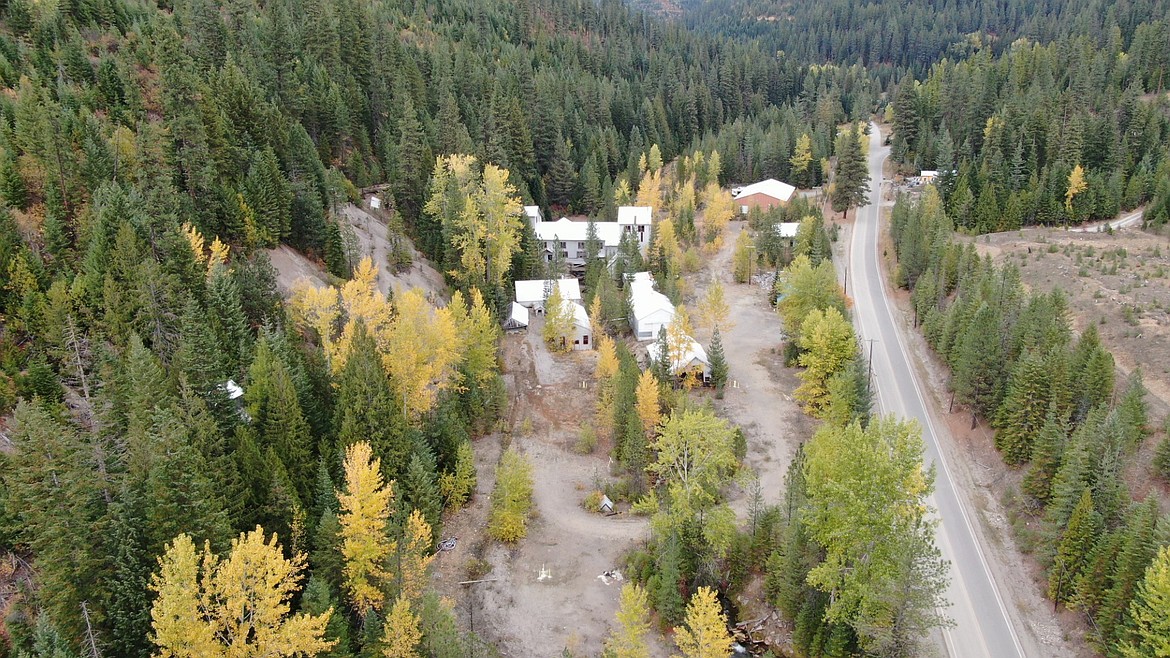
The Dayrock Mine.
Courtesy photo
The Silver Valley has a rich history dominated by silver, lead, and zinc mining, which began in the late 1870s and established the region as the world's largest silver producer by the early 1900s. Visitors come to explore this past, touring local museums to learn about mining practices as well as visiting old mining structures that are peppered throughout the region. People are drawn to history because it not only reveals where we’ve been but also helps us better understand the world we live in today.
As a nation, we collectively value historic places, a belief that led to the enactment of the National Historic Preservation Act (NHPA) in 1966. Created to ensure that future generations can appreciate and enjoy the country’s rich heritage, the NHPA established a framework for recognizing historic places at risk of being lost or altered. It provides a systematic process for identifying, evaluating, and protecting historic resources, and it requires federal agencies to consider how their actions may affect historic properties, helping safeguard the nation’s cultural legacy.
To ensure that cleanup efforts do not unintentionally damage irreplaceable historic resources, federal agencies must comply with Section 106 of the NHPA. The U.S. Environmental Protection Agency (EPA) takes into account the effects on historical properties and allows the Advisory Council on Historic Preservation (ACHP) to comment on the work planned. EPA is responsible for identifying any historic properties that may be affected, assessing the potential impacts, and considering ways to avoid, minimize, or mitigate any adverse effects. They also consult with the State Historic Preservation Officer (SHPO) and/or Tribal Historic Preservation Officer (THPO) to understand the characteristics of the property that make it historic. Early and ongoing consultation is a cornerstone of the Section 106 process and can uncover information about historic properties or archaeological features that might not be documented elsewhere. This process ensures that environmental remediation and historic preservation move forward together.
Once it is determined a project may affect a historic property, a Historic Property Management Plan (HPMP) may need to be developed. HPMPs were developed for the Upper and Lower Basins of the Bunker Hill Superfund Site to outline the process that EPA will implement to achieve the substantive requirements of the NHPA for ongoing and future cleanup efforts. The HPMPs provide information related to the environmental and cultural context of the area, known and anticipated conditions, and overviews of actions and potential effects that may occur during cleanup activities. The HPMPs also provide project-specific procedures, such as pre-construction cultural resource surveys, that should be completed prior to initiating cleanup work.
As EPA determines how they plan to remediate each site, they work with SHPO, THPO, and other consulting parties to apply the “avoid, minimize, or mitigate” framework required under Section 106. Because much of the cleanup in the Silver Valley requires full removal within the watershed, EPA continues to coordinate with the ACHP, SHPO, and THPO. If adverse effects to historic properties cannot be avoided or minimized, mitigation is required and a mitigation plan must be developed. In which case, impacts are addressed by collecting important archaeological information, creating records and photos of the site, sharing its story through signs or displays, or protecting similar historic places elsewhere.
The Dirt is a series of informative articles focused on all aspects of cleanup efforts associated with the Bunker Hill Superfund Site. Our goal is to promote community awareness of contamination issues, to provide tools for protecting public health, and to keep the community informed of current and future cleanup projects. The Dirt is a group of committed and local experts from multiple agencies including the Basin Environmental Improvement Project Commission, Panhandle Health District, Shoshone County, Silver Valley Economic Development Corporation, and the Idaho Department of Environmental Quality.