
Understanding compulsive hoarding: A comprehensive guide
Arin Barry | Coeur d'Alene Press | UPDATED 1 month, 2 weeks AGO
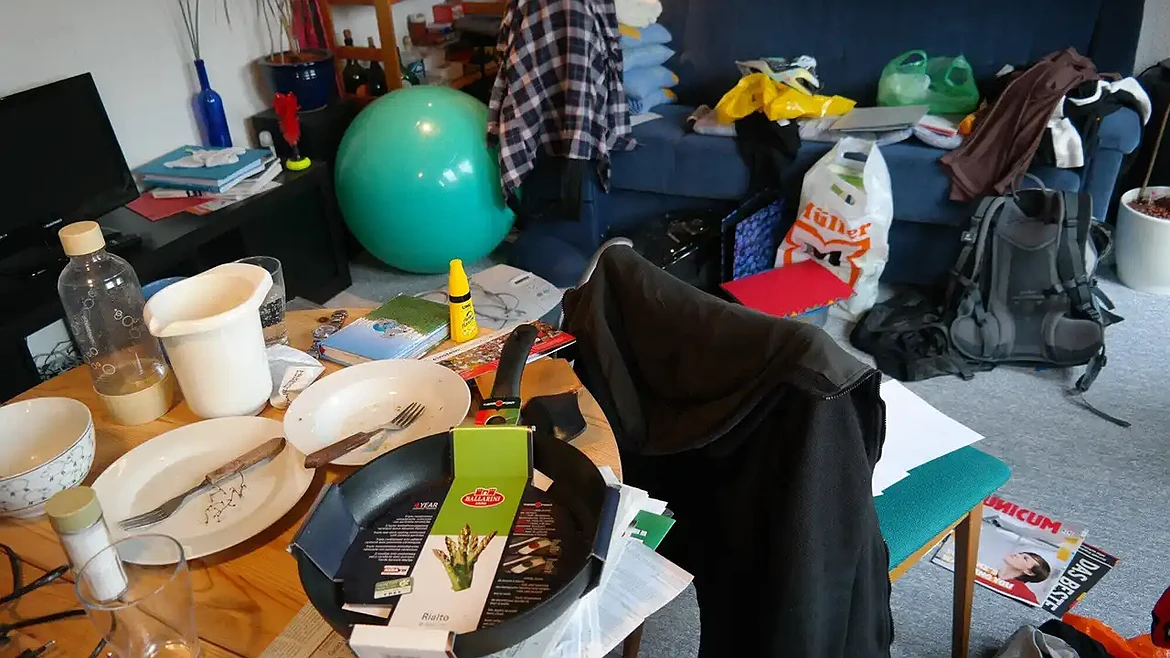
Letting things go isn't always easy, and someone dealing with compulsive hoarding can find that even getting rid of small broken items is harder than it should be. To them, a cracked mug, a pile of old receipts, or clothes that no longer fit can still feel worth keeping.
Clutter and compulsive hoarding are often used interchangeably, but hoarding goes much deeper than simply keeping clutter. Compulsive hoarding is tied to how someone processes memories, emotions, and decisions. What looks like disorganisation from the outside can reflect something much more complex internally.
A U.S. Senate report estimates that roughly 14 million Americans are affected by serious clutter-related issues, with older adults being particularly vulnerable. This is not a rare situation, even if it often stays hidden behind closed doors.
What Is a Hoarding Disorder?
Hoarding disorder is recognised as a mental health condition that affects how people relate to their possessions. It is not just about keeping too many things. It is about the distress linked to letting them go.
People with hoarding disorder often experience a strong sense of responsibility toward their belongings. An item might feel useful "just in case," or it may hold emotional meaning that is hard to explain. Even objects with little value can feel tied to identity or memory.
Brain studies have shown that decision-making areas become highly active when someone with hoarding tendencies is asked to discard something. This can create a surge of anxiety, making it easier to keep the item than face the discomfort of letting it go.
How Does Hoarding Develop Over Time?
Hoarding rarely starts as an obvious problem. It tends to build slowly, often going unnoticed in the early stages.
At first, items gather in the background. A cupboard fills up, then a spare room. The space still works, and daily life continues without much disruption.
Over time, the clutter begins to spread.
Surfaces disappear under piles, and rooms start losing their original purpose. A dining table becomes a storage area. A couch fills with clothes that were meant to be sorted.
In more severe cases, the home itself becomes difficult to live in. Walkways are narrow, exits become blocked, and basic tasks feel harder than they should. What began as saving a few things turns into a space that no longer supports daily life.
What Causes Compulsive Hoarding?
There is no single cause behind compulsive hoarding. It usually develops from a mix of emotional, psychological, and environmental factors.
For some people, it begins after a stressful life event. Losing someone, going through illness, or facing a major life change can create a need for control. Holding onto objects can feel like a way to stay grounded when everything else feels uncertain.
In other cases, it is learned over time. Growing up in a cluttered environment can shape how someone views possessions. Keeping things may feel normal, even necessary.
There is also the emotional side. Letting go can trigger anxiety, guilt, or even grief. Keeping the item relieves that feeling in the moment, which reinforces the behaviour over time.
Practical Decluttering Strategies That Actually Help
Decluttering is not about clearing everything at once. That approach usually backfires.
Smaller steps tend to work better. Focusing on one drawer, one shelf, or one corner makes the process feel manageable. It also reduces the emotional pressure that comes with bigger decisions.
One of the most effective decluttering strategies is to group similar items together. Seeing how much of something you have can make decisions clearer. It shifts the focus from individual objects to the bigger picture.
Support for Hoarders: What Actually Makes a Difference
Support needs to start with understanding. Pushing someone to clean or throwing things away without permission often creates more resistance.
A better approach is to focus on how they feel rather than what the space looks like. Simple conversations can open a door.
Professional help can also play an important role. Therapy, especially approaches that focus on behaviour and decision-making, can help people build new habits over time.
In more difficult situations, practical assistance may be needed. Services like Bio-One Biohazard Cleanup Services are sometimes brought in to handle environments that pose health or safety risks. Their role is not just to clean, but to make the space safe while respecting the individual involved.
Frequently Asked Questions
What Is the Difference Between Compulsive Hoarding and Hoarding Disorder?
Compulsive hoarding describes the behaviour of holding onto items and struggling to let them go. Hoarding disorder is a clinical diagnosis where that behaviour starts to interfere with daily life, safety, and overall well-being.
How Do I Know if Clutter Has Become a Serious Problem?
It usually becomes serious when it affects how you live in your space. If rooms can no longer be used as intended, pathways are blocked, or you feel stressed and overwhelmed at home, it may be more than just clutter.
What Are Some Realistic Clutter Management Tips to Start With?
Start small and keep it simple. Focus on one area at a time, group similar items together, and avoid making too many decisions at once. Even clearing a single surface can make a noticeable difference.
Can Compulsive Hoarding Be Treated?
Yes, but it takes time and consistency. Therapy can help with decision-making, emotional attachment, and building better habits. Progress is usually gradual rather than immediate.
How Can I Support Someone Struggling With a Hoarding Disorder?
Approach the situation with patience. Avoid judgment or pressure.
Listen to how they feel about their belongings and offer help in small, manageable ways. Encouraging professional support can also make a big difference.
Understanding Compulsive Hoarding
Compulsive hoarding is not just about holding onto things. It is about how people cope with emotions, uncertainty, and decision-making in their daily lives. With the right support, practical strategies, and a better understanding of the mental health impact, it is possible to create a safer and more manageable living space over time.
If you're interested in more health and lifestyle topics, check out our website for the latest stories.
This article was prepared by an independent contributor which helps us continue delivering quality content to our audiences.