
How aging in place is changing modern bathroom design
Arin Barry | Daily Inter-Lake | UPDATED 4 days, 19 hours AGO
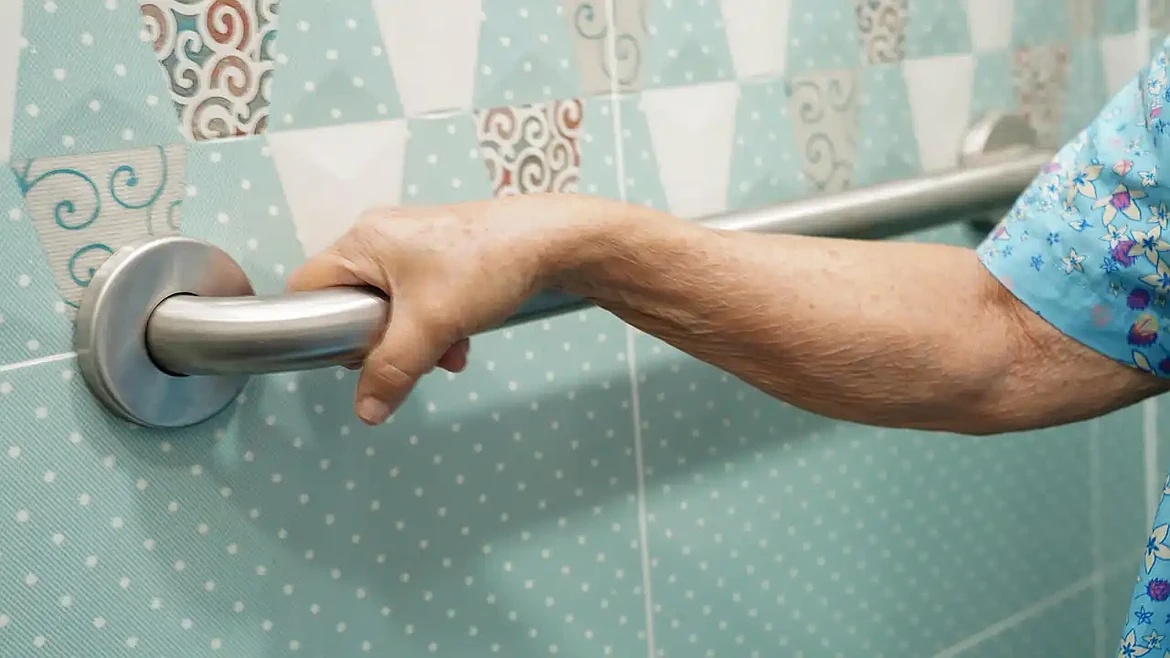
Aging in place is changing modern bathroom design by prioritising safety, accessibility, and long-term comfort while maintaining a clean, contemporary look.
A 2025 U.S. Census Bureau report highlights a clear demographic shift, with about 61.2 million Americans now aged 65 and older. In many parts of the country, older adults already outnumber children. It is the kind of change that quietly reshapes everyday life, especially when it comes to housing and how homes are designed.
One of the biggest areas affected is the bathroom, where safety and ease of movement matter more as people age. Instead of waiting for mobility issues to appear, more homeowners are choosing to plan ahead with aging in place upgrades. The focus is on making spaces safer and more accessible while keeping them visually modern and comfortable, without a clinical or institutional look.
Why Is Aging in Place Transforming Modern Bathroom Design?
Aging in place is really just about one thing: staying in your own home for as long as possible without losing independence. The bathroom tends to be one of the key focus areas because it is often where slips, trips, and everyday movement challenges show up first.
As a result, bathroom design is starting to shift in noticeable ways.
Walk-in showers are a clear example. They are becoming more common than traditional tubs since stepping over a high edge can be difficult and sometimes unsafe. A low-threshold or no-threshold shower is simply easier to get in and out of.
Lighting is also being approached a bit differently. Instead of relying on a single overhead fixture, designers are layering light sources to cut down on shadows and make the space easier to navigate.
Storage is changing in the same practical way. Rather than high shelves or deep cabinets that are hard to reach into, the emphasis is on keeping everyday items accessible so there is less bending, stretching, or climbing needed.
What Features Define a Successful Aging in Place Remodel?
Non-slip flooring is often the first change people make, and for good reason. Textured tiles and slip-resistant vinyl help prevent falls while still fitting seamlessly into a polished, modern bathroom design.
Grab bars no longer stand out as clinical fixtures. Many are designed to blend in, doubling as towel rails or subtle accents that match the overall look of the space.
Comfort-height toilets and floating vanities are also becoming standard choices in many homes. They ease pressure on joints and make everyday tasks feel less demanding, particularly for older homeowners.
Ventilation has also improved. Proper airflow reduces moisture buildup, helping prevent mold and keeping surfaces safer and easier to maintain.
In places like Montana, many homeowners prefer to stay in their homes long term. Because of that, these upgrades are becoming less of an option and more of a standard part of renovation projects.
Blending Safety With Style in Modern Bathroom Design
One of the biggest misconceptions about aging-friendly bathrooms is that they look institutional. In reality, modern bathroom design is proving that safety and style can coexist.
Neutral color palettes with high contrast are being used to improve visibility while maintaining a clean, contemporary look. For example, darker flooring paired with lighter walls can help define edges and prevent missteps.
Fixtures are also evolving. Lever-style handles are easier to use than traditional knobs, especially for individuals with limited hand strength.
For homeowners considering a bathroom remodel for seniors, working with experienced professionals is key. Many choose to explore Five Star Bath Solutions as part of their planning process, especially when looking for tailored solutions that combine function and design.
In Montana, where seasonal changes can affect mobility and safety, these thoughtful design choices become even more important. Cold weather can increase the risk of slips, making indoor safety upgrades a priority.
Another emerging feature is underfloor heating. It adds comfort while also helping to keep floors dry, reducing slip hazards during colder months.
Planning Ahead for Long-Term Comfort
A well-designed bathroom remodel for the elderly today can also serve younger homeowners just as well.
Flexibility is a key factor. Adjustable showerheads, removable seating, and modular storage solutions allow the space to evolve over time.
Budgeting is often a concern, but prioritizing high-impact upgrades can make a big difference. Starting with flooring, lighting, and shower access can provide immediate safety improvements.
Even if mobility is not currently an issue, designing with accessibility in mind can prevent costly renovations later.
Frequently Asked Questions
How Much Does an Aging in Place Bathroom Remodel Typically Cost?
Costs can vary widely depending on the scope of work, but most projects fall between moderate upgrades and full renovations. Key factors include materials, plumbing changes, and whether structural modifications are needed.
Are Aging in Place Upgrades Covered by Insurance or Grants?
In some cases, yes. Certain government programs and local initiatives offer financial assistance for accessibility improvements, especially for seniors or individuals with disabilities.
Can Small Bathrooms Still Be Adapted for Aging in Place?
Absolutely. Even compact spaces can be improved with better layouts, wall-mounted fixtures, and space-saving designs that enhance mobility and safety.
How Long Does a Typical Remodel Take?
Most bathroom remodels take anywhere from a few days to several weeks, depending on complexity. Custom features and structural changes may extend the timeline.
Do These Upgrades Increase Home Value?
Yes, accessibility features are increasingly attractive to buyers. Homes designed for long-term living often appeal to a wider market, especially as demographics shift.
Is Professional Installation Necessary?
While some minor upgrades can be DIY, most aging in place modifications require professional expertise. Proper installation ensures safety, durability, and compliance with building standards.
Aging in Place Is Redefining Bathroom Expectations
Aging in place is quietly reshaping what people expect from their bathrooms. It is no longer just a niche idea for later life. It is influencing how modern bathrooms are being designed right now.
Homeowners are thinking more about safety, comfort, and flexibility over the long term. That can mean easier access layouts, more thoughtful fixtures, and features that work just as well at 40 as they do at 80. Whether it is a full remodel for elderly needs or simply planning ahead, the focus is shifting toward spaces that adapt as life changes.
Want more practical home design insights like this? Explore our site for expert-backed guides, trends, and ideas to help you make smarter renovation decisions.
This article was prepared by an independent contributor which helps us continue delivering quality content to our audiences.