
Soap Lake City Council establishes performance-based pay for mayor
NANCE BESTON | Hagadone News Network | UPDATED 2 months, 2 weeks AGO
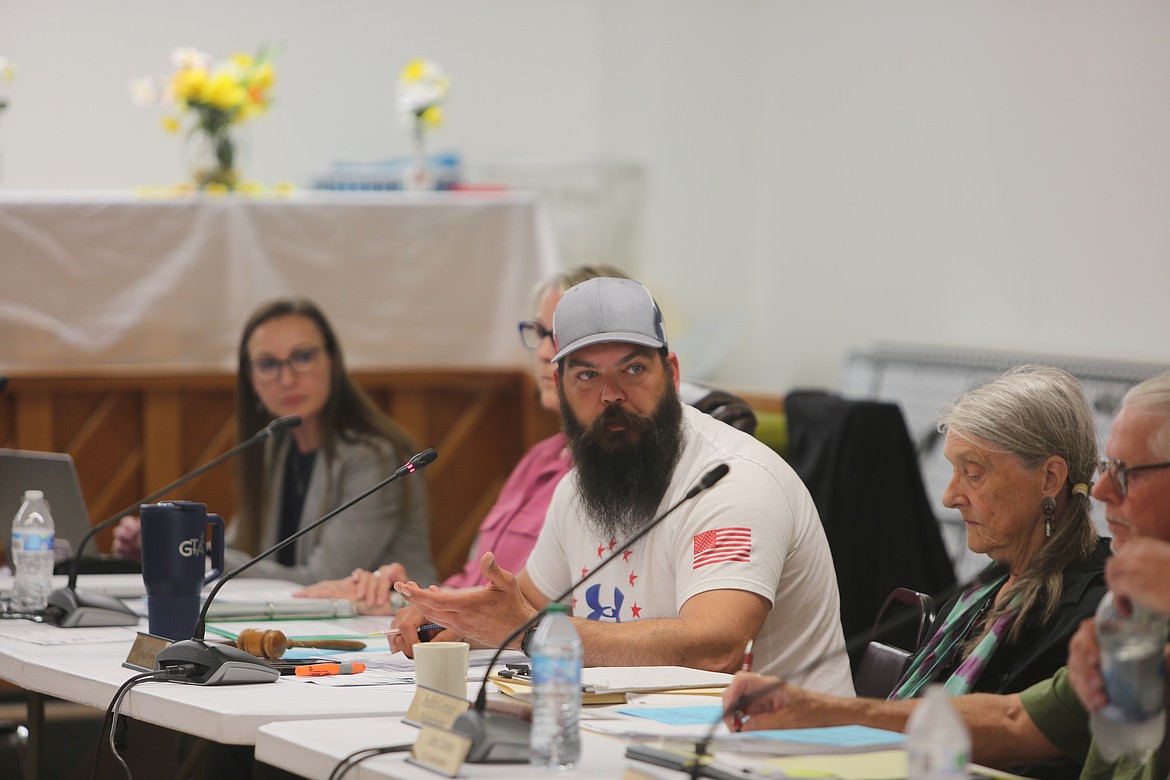
The Soap Lake City Council unanimously approved an ordinance to adopt a performance-based salary range for Mayor Peter Sharp, setting his monthly compensation between $0 and $600 depending on whether he meets seven job requirements listed out in the ordinance.
MIKE MAYNARD/COLUMBIA BASIN HERALD
SOAP LAKE — The Soap Lake City Council voted unanimously Monday to adopt a new performance-based salary range for Mayor Peter Sharp, setting his monthly compensation anywhere between $0 and $600 depending on whether he meets seven specific job requirements.
The move follows months of tension between the council and the mayor over missed meetings, delayed public records responses and concerns about administrative oversight.
“Well, looking back, if you recall, at our last meeting, there was a conversation about taking away the mayor's pay, and the reason that was discussed was because the performance was an issue… So, the objective here is to make sure that the performance of the mayor is equal to what our expectations are, without being overly aggressive about any of this,” Council Member Kayleen Bryson said.
The ordinance also clarifies a discovery made by the city attorney: as of Jan. 1, the mayor technically had no legally established salary at all.
No set wage
City attorney Julie Norton told the council she uncovered the issue after reviewing past ordinances.
“When the council adopted the ordinance establishing the salary commission, it removed the mayor’s salary completely… and the salary commission was never formed,” Norton said. “So, as of the start of the new term, there is no salary associated with the position of the mayor.”
Although the city budget included a line item for mayoral pay, Norton emphasized that a budget does not legally set a salary.
“Just because you have a budget, doesn’t allocate or set the amount,” she said. “Right now, the mayor has been overpaid for this entire year because there is no salary.”
The new ordinance fixes that gap by giving the council temporary authority to set the mayor’s pay until a salary commission is appointed.
Performance‑based pay
Under the ordinance, the mayor’s monthly pay will be determined by whether he meets seven executive duties, including maintaining a regular presence at City Hall; attending required meetings; providing documentation for audits and public records; using official city email; responding to staff, council, and public inquiries; cooperating with consultants and completing grant reporting obligations.
The council will review Sharp’s performance monthly and set his pay accordingly. No salary was set for May; only the ordinance was approved.
Debate over accountability vs. punishment
Council member Susan Carson asked whether the city should retroactively recover wages paid earlier this year, since no salary was legally in place.
Council member Kayleen Bryson pushed back.
“I think it’s punitive,” Bryson said.
Other council members expressed concern about how to measure performance. Council member Andrew Arnold said the goal was not to punish but to ensure the mayor fulfills basic responsibilities.
“The objective here is to make sure that the performance of the mayor is equal to what our expectations are,” Arnold said.
Mayor Sharp objects
Sharp strongly opposed the measure.
“You can’t dictate the mayor’s hours and times,” Sharp said to Norton. “The mayor is the executive… I would disagree with you.”
He also argued the ordinance violates RCW and WAC, though Norton said she had already consulted with the Municipal Research and Services Center and confirmed the council’s authority.
At one point, Arnold asked Sharp directly whether he wanted to be paid.
“Yes,” Sharp replied.
Council moved forward unanimously
Despite Sharp’s objections, the council approved the ordinance 5–0. Members said the city needs a functional system for accountability while the mayor continues to delay forming a salary commission – a task only he can initiate.
Following the meeting, when Sharp was asked to sign the ordinance, he originally rejected saying he was going to have it vetoed in 10 days. However, Norton said if he wanted to veto the ordinance he would have needed to do it during the meeting. Sharp signed the ordinance.
Norton said during the meeting, the ordinance was designed to be “the path of least resistance,” allowing the council to set pay now while still preserving the option of a future salary commission.
She explained this was a temporary measure, and if the mayor were to select salary commission members and the council were to appoint said individuals, the commission would then have the power to set the mayor wage.
ARTICLES BY NANCE BESTON

Grant County Sheriff candidates discuss transparency, trust
EPHRATA — As Grant County voters prepare to submit their primary ballots, three candidates are vying for the position as Grant County Sheriff including incumbent Joey Kriete and challengers Josh Sainsbury and Darrick Gregg are competing in the upcoming primary election. To help readers compare the candidates' priorities, qualifications and plans for the office, each was asked the same question and given an equal opportunity to respond.

Grant County Commissioner candidates deliberate fiscal responsibility, budgeting
EPHRATA — Four Republicans are seeking election to Grant County Commissioner Position 3 in the upcoming primary: Shannon Durfee, Kelly Raap, Seth Weeks and Janice Flynn. To give voters a clear comparison of the candidates' positions and priorities, each was asked the same set of questions and provided the same deadline to respond. Durfee, Raap and Flynn submitted responses by the deadline; Weeks did not respond.

Sheriff candidates discuss staffing, retention
EPHRATA — As Grant County voters prepare to select their next sheriff, incumbent Joey Kriete and challengers Josh Sainsbury and Darrick Gregg are competing in the upcoming primary election. To help readers compare the candidates' priorities, qualifications and plans for the office, each was asked the same question and given an equal opportunity to respond. This installment focuses on one of the most pressing challenges facing law enforcement agencies: recruiting, retaining and supporting qualified staff within the Grant County Sheriff's Office.