
The shift from dealership dependence to independent motorcycle repair culture
Billie Pollisotto | Bonner County Daily Bee | UPDATED 4 months, 3 weeks AGO
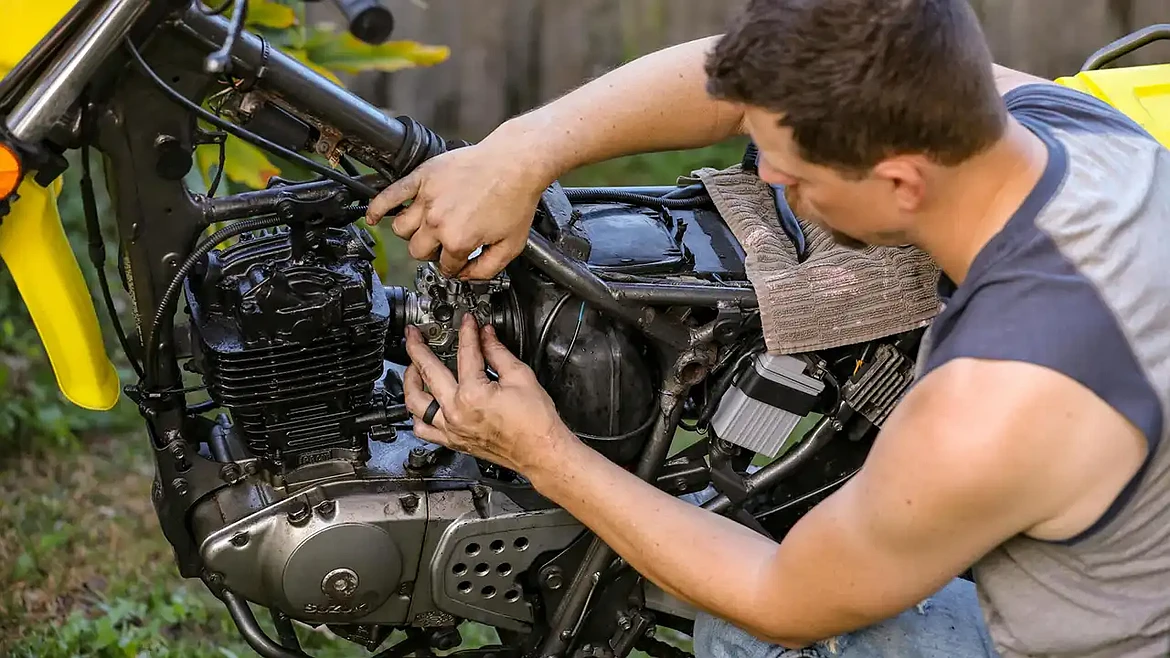
Riders are stepping away from dealership service departments and turning to independent motorcycle repair for faster turnaround, lower costs, and more personalized expertise. This shift reflects a growing demand for flexibility and trust, especially as bikes become more specialized and owners more hands-on with maintenance decisions.
A rider books a routine service at a dealership and hears the wait time could stretch for weeks. Across the industry, that experience is pushing more people to explore independent shops where scheduling feels human, communication is direct, and the work often comes with a deeper level of care. As repair needs evolve and riders look for control over both cost and quality, the balance is clearly starting to tilt.
Why Are Independent Motorcycle Shops Gaining Trust?
Independent motorcycle shops are earning trust because they offer something riders often feel is missing from larger service environments. Instead of navigating layers of service advisors and standardized processes, riders typically speak directly with the mechanic handling their bike, which builds confidence from the start.
Transparency plays a major role. Independent shops tend to:
- Explain issues in plain terms
- Walk through repair options
- Provide realistic timelines
- Break down pricing before work begins
- Show worn or damaged parts when possible
That openness makes it easier for riders to understand what they are paying for and why it matters. It also reduces the uncertainty that can come with bundled dealership services that may not always feel necessary.
Flexibility is another factor that stands out. Independent mechanics are often more willing to work on older models or bikes that fall outside strict manufacturer guidelines. This approach appeals to riders who view their motorcycles as long-term investments or personal projects rather than short-term purchases tied to warranty cycles.
Reputation carries real weight in this space. Independent shops grow through word of mouth and community credibility. Riders talk to each other and recommend mechanics they trust. Over time, that local validation becomes more influential than brand recognition alone.
Dealership vs Independent Repair: Cost
Cost is often the moment riders begin questioning dealership dependence. Service visits can escalate quickly, especially once a bike moves beyond warranty coverage. High hourly labor charges can strain budgets. Diagnostic appointments often come with added fees before any repair begins. Manufacturer-only parts tend to carry premium pricing that limits flexibility.
Independent shops approach pricing with a different mindset. Labor rates are typically lower, and the work is often scoped more precisely to what the bike actually needs. Instead of defaulting to full system replacements, mechanics may repair or adjust components when it is safe to do so. That difference alone can reduce overall maintenance expenses over time.
Parts selection also plays a role. Dealerships usually rely on manufacturer-approved components, which can increase total costs. Independent mechanics often present multiple options, including aftermarket parts and quality refurbished components.
Scheduling flexibility adds another layer of financial control. Independent motorcycle mechanic services are more willing to break repairs into phases, allowing riders to handle urgent issues first while planning for future work. This approach helps avoid large, unexpected bills and supports long-term ownership without constant financial pressure.
DIY Motorcycle Maintenance Options
DIY motorcycle maintenance has become a natural extension of the shift toward independent repair culture. Riders are no longer relying solely on service appointments to understand their bikes. Instead, many are taking a hands-on approach to routine care, using Harley Davidson repair manuals to guide their work with accuracy and confidence.
Tasks like chain cleaning and tire pressure checks require minimal tools but deliver immediate value. These small efforts help riders build familiarity with their motorcycles while reducing the need for frequent shop visits.
As confidence grows, riders often expand into more involved maintenance. Brake pad replacements, battery swaps, spark plug changes, and fluid flushes become manageable with the right guidance. Manuals play a key role here, offering step-by-step instructions that mirror professional repair standards without the dealership markup.
The rise of digital learning has also strengthened DIY culture. Riders supplement written manuals with community advice. This combination creates a layered learning experience that makes even complex repairs feel more approachable.
There is also a financial benefit that cannot be ignored. Handling routine maintenance at home helps riders:
- Avoid labor costs
- Prioritize necessary repairs
- Spread expenses over time
- Reduce the frequency of shop visits
- Extend the lifespan of key components
It adds flexibility, especially for those maintaining older bikes or customizing their machines.
DIY maintenance does not replace professional repair, but it changes the relationship riders have with their motorcycles. Instead of being passive owners, they become active participants in upkeep and performance.
Frequently Asked Questions
What Is the Most Sold Motorcycle of All Time?
The most sold motorcycle of all time is the Honda Super Cub. First introduced in 1958 by Honda Motor Co., it has surpassed 100 million units sold globally, making it the best-selling motor vehicle of any kind, not just motorcycles.
The Super Cub was designed to be easy to ride, affordable to maintain, and practical for everyday use. It became especially popular in densely populated regions where efficient transportation is essential.
What Kills Most Motorcyclists?
The leading cause of fatal motorcycle crashes is collisions involving other vehicles, especially when drivers fail to see a rider or misjudge their speed. Left-turn accidents at intersections are particularly dangerous, as oncoming motorcycles can be overlooked or mistaken for being farther away.
Many fatal incidents involve factors such as:
- Speeding
- Impaired driving
- Lack of helmet use
These risks often combine with limited visibility, which makes defensive riding and situational awareness critical.
What Is the 12 Second Rule on a Motorcycle?
The 12 second rule is a defensive riding strategy that encourages motorcyclists to constantly scan at least 12 seconds ahead of their current position on the road. Instead of focusing only on what is directly in front of the bike, riders look farther ahead to anticipate hazards, traffic changes, and road conditions early.
This approach gives riders more time to react to potential risks such as:
- Sudden stops
- Lane changes
- Debris
- Pedestrians
- Shifting traffic patterns
Independent Motorcycle Repair: Now You Know
Clearly, independent motorcycle repair is getting more popular for a reason.
Do you want more advice on vehicle maintenance? Make sure you explore some of our other helpful posts.
This article was prepared by an independent contributor which helps us continue delivering quality content to our audiences.