
Tribal Rec Program focuses funding on waste management
EMILY HEIMARK | Hagadone News Network | UPDATED 5 months, 3 weeks AGO
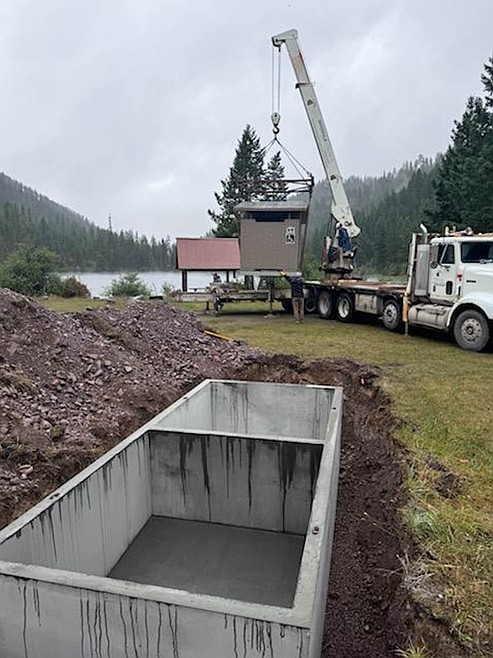
Each vault toilet costs $25,000, including transportation and installation. (Courtesy of CSKT Wildland Recreation Program)
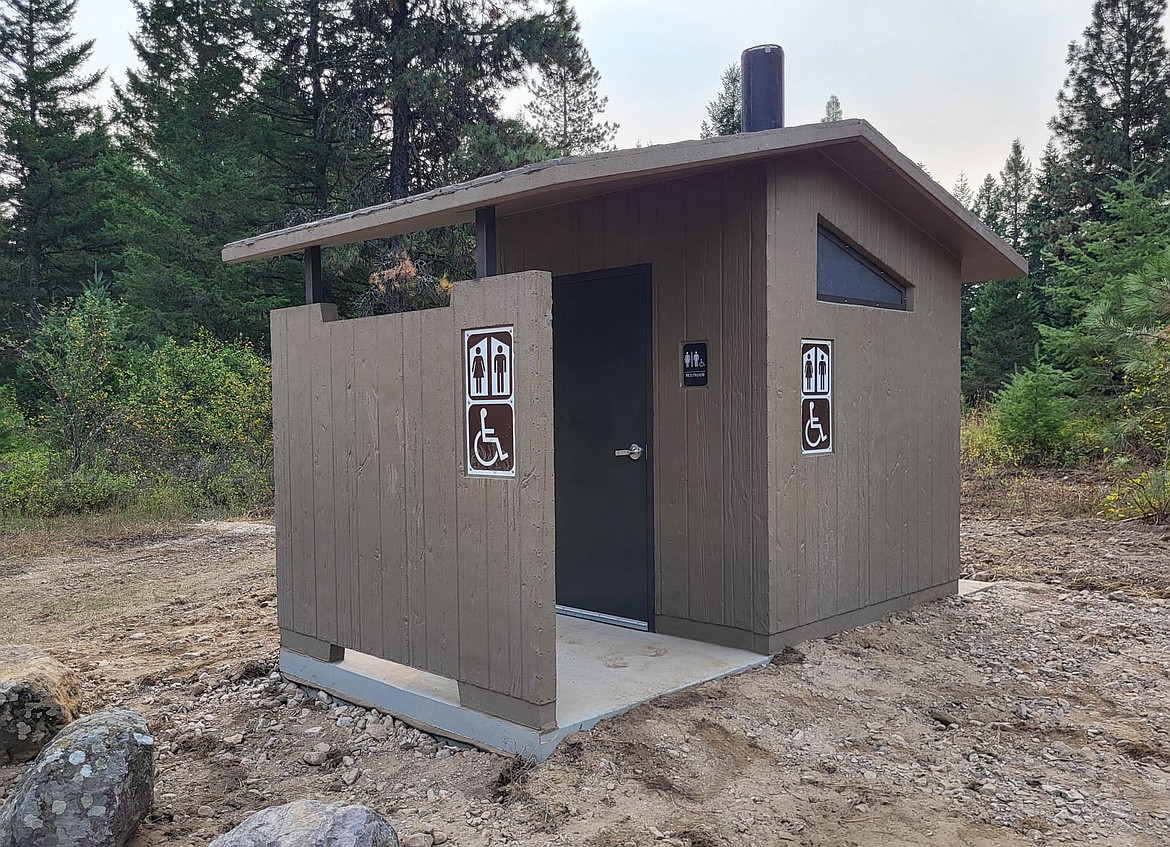
The vault toilets are entirely concrete structures made by Missoula Concrete Construction and are the same vaults used by the U.S. Forest Service. (Courtesy of CSKT Wildland Recreation Program)
Emily Heimark (Messer) joined the Lake County Leader in July of 2025 after earning a B.A. degree in Journalism from the University of Montana. Emily grew up in the rolling hills of southeast Missouri. She's lived in Montana since 2022 and honed her reporting craft through the UM J-School newspaper and internships at the RMEF Bugle Magazine and the Missoulian. At the Leader, she covers government, business, education, agriculture and community news. Contact Emily Heimark at [email protected] or 406.883.4343 | May 7, 2026 12:00 AM
The Confederated Salish and Kootenai Tribes' Wildland Recreation Program is using grant funding to install five vault toilets this year to better manage human waste and expects to receive a total of 30 to install at recreation sites across the reservation.
Todd Espinoza, the recreation program manager, explained that the five pit toilets they are replacing with vault toilets this year are “dangerously close to waterways,” primarily in the Jocko area.
Most restrooms at recreation sites are pit toilets, also known as outhouses, which can leach waste into nearby waterways. Espinoza explained that most were installed 30 to 40 years ago, with little planning beyond being placed in a convenient location.
“Upgrading restroom facilities across the reservation has been a major goal of mine over the past four years,” Espinoza stated in an email to the Leader. “This includes both replacing outdated infrastructure and adding new restrooms where they are most needed, particularly at high-use recreation sites.”
Both pit toilets and vault toilets are non-flushable systems, but vaults have a sealed underground tank that contains waste. According to Espinoza, the recreation program will pump these out yearly or as needed. There will still be areas that cannot be accessed by a pump truck, where pit toilets will still be used.
Espinoza explained that most of the campsite pit toilets are right next to waterways, some being two feet from the water’s edge, with “all that waste going right in that ecosystem.” He said it has been a major push to replace these, and in recent years, several vault toilets have been installed in campgrounds.
The vault toilets are entirely concrete structures made by Missoula Concrete Construction. Espinoza noted their durability and said they should outlast his career, as he has witnessed fallen trees breaking over roofs without damaging the structures. They are also the same structures used by the U.S. Forest Service.
The recreation program received an Indian Tribes and Intertribal Consortia for Nonpoint Source Management Grant, under the Clean Water Act Section 319, totaling $125,000 to purchase the five vaults, which will be installed this year. A vault with one stall costs $25,000 and includes transportation to the site and installation.
“Replacing all those … five of the worst offenders with these vaults – it’s going to be so much better for the environment, so much easier to clean, easy to pump out,” Espinoza said in a later interview.
They maxed out the grant this year and hope to apply for it every year to possibly secure funding for more, slowly chipping away at replacements. The Tribal Lands Department also manages some toilets and purchases some vault toilets under CSKT Tribal Council directive, according to Espinoza.
The recreation program owns about 20 toilets across the reservation at recreation sites, and the lands department owns some as well. Espinoza said by the time this project is complete, they will have over double that.
Some vaults have already been installed this year at Twin Lakes and the Arlee Powwow Grounds. Espinoza said their plan is to start in the Jocko area and gradually move up the reservation. All the skateparks on the reservation will receive one, along with other locations such as Standing Arrow Powwow Grounds in Elmo.
The recreation program will be responsible for upkeep, weekly cleanings and pumping the vaults.
An ongoing challenge
Espinoza said that one ongoing challenge they face is vandalism of the vault toilets. Some of these new facilities have already been damaged by graffiti, gunfire and even fires set inside them.
He noted that one of the newest installs at Vanderburg Cultural Camp was shot 15 times, which is “extremely disappointing to see.”
These units are not only costly but are often purchased with one-time grant funding, meaning repairs come directly out of the recreation program budget, according to Espinoza.
“Overall, these improvements represent a significant investment in protecting water quality, improving public health, and enhancing the experience at our recreation sites,” he stated. “While challenges like vandalism remain, the long-term benefits of these upgraded facilities far outweigh the setbacks.”
He added that they will continue to maintain and expand these facilities, while also encouraging the public to respect and take pride in these shared resources that will be enjoyed for years to come.
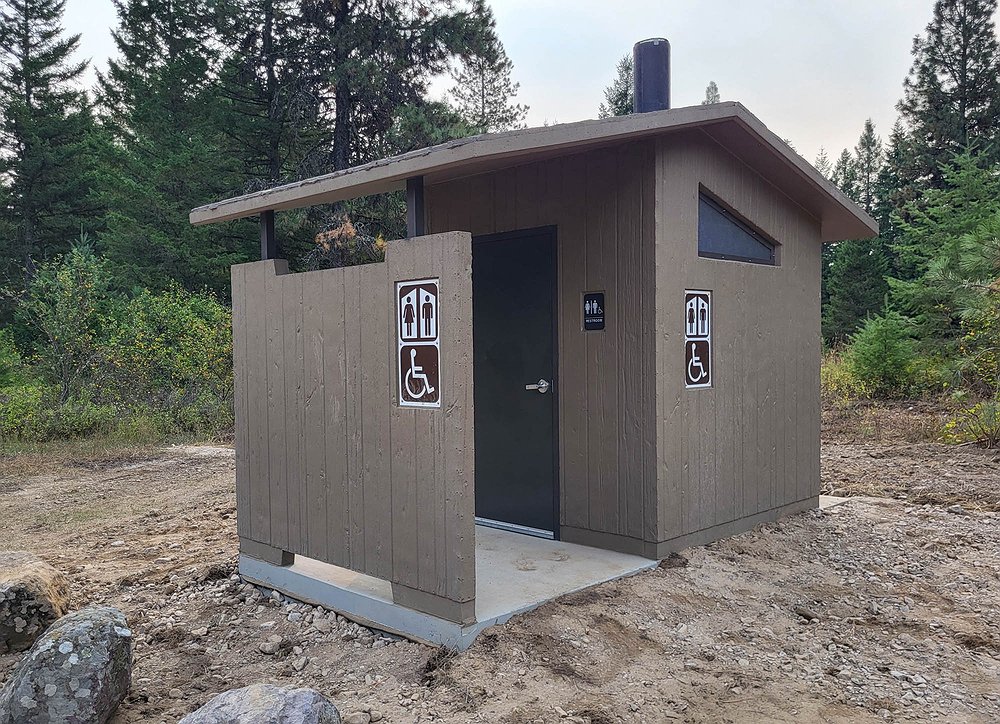 The vault toilets are entirely concrete structures made by Missoula Concrete Construction and are the same vaults used by the U.S. Forest Service. (Courtesy of CSKT Wildland Recreation Program)
ARTICLES BY EMILY HEIMARK
Proposed changes to City of Polson government to appear on ballot
The Polson Local Government Review Study Commission completed its report earlier this year, and the proposed changes to the city charter and supplementary report of action to be taken will appear on the November ballot.

Native cowboy from Mission Valley travels to Kyrgyzstan for Nomad World Games
Reaching down from the back of his horse, he grabs the goat carcass, a total of 80 pounds of dead weight, as dust strikes him in the face; the adrenaline rush is never-ending, and the physical demands on his body are unreal.
Rollins Fire completes community-funded addition and remodel
After outgrowing its space, the Rollins Volunteer Fire Department sought support from the community and raised $2.2 million to fund necessary upgrades and a station addition.