
Limited yield: High costs force Northwest Montana farmers to restrict wheat planting
TAYLOR INMAN | Hagadone News Network | UPDATED 4 months, 3 weeks AGO
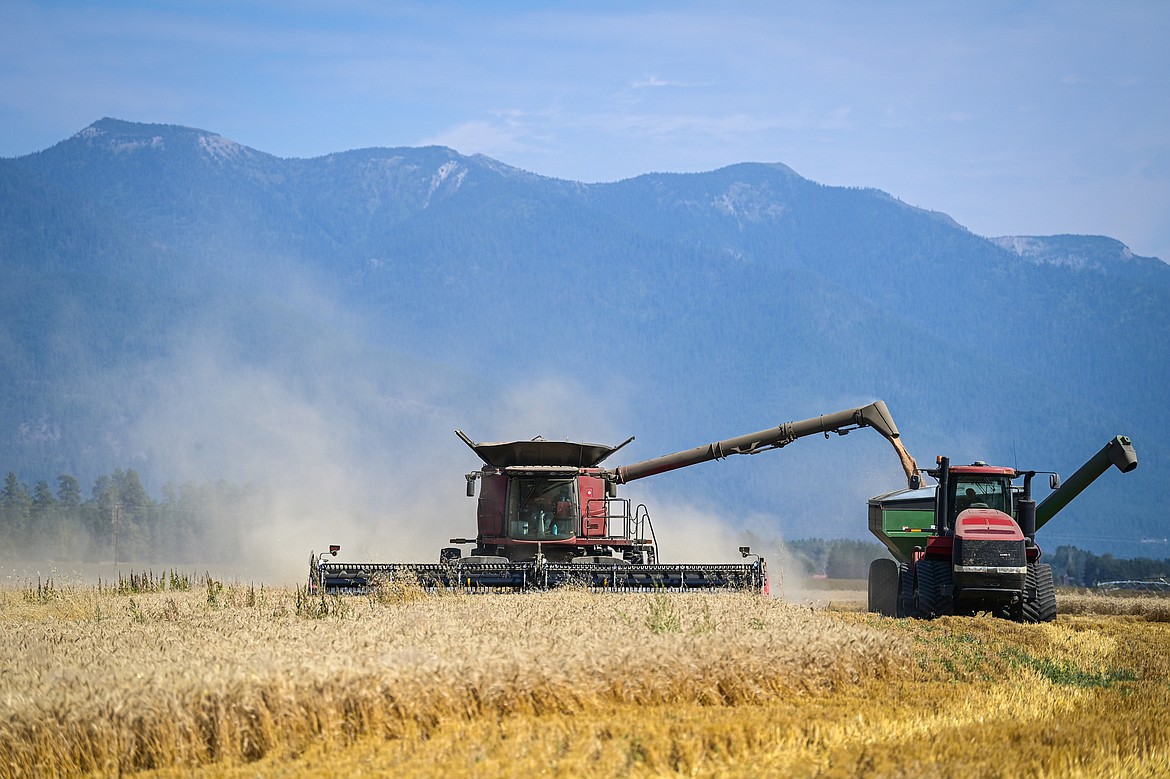
Farmers harvest wheat in farmland along Columbia Falls Stage. (Casey Kreider/Daily Inter Lake FILE)
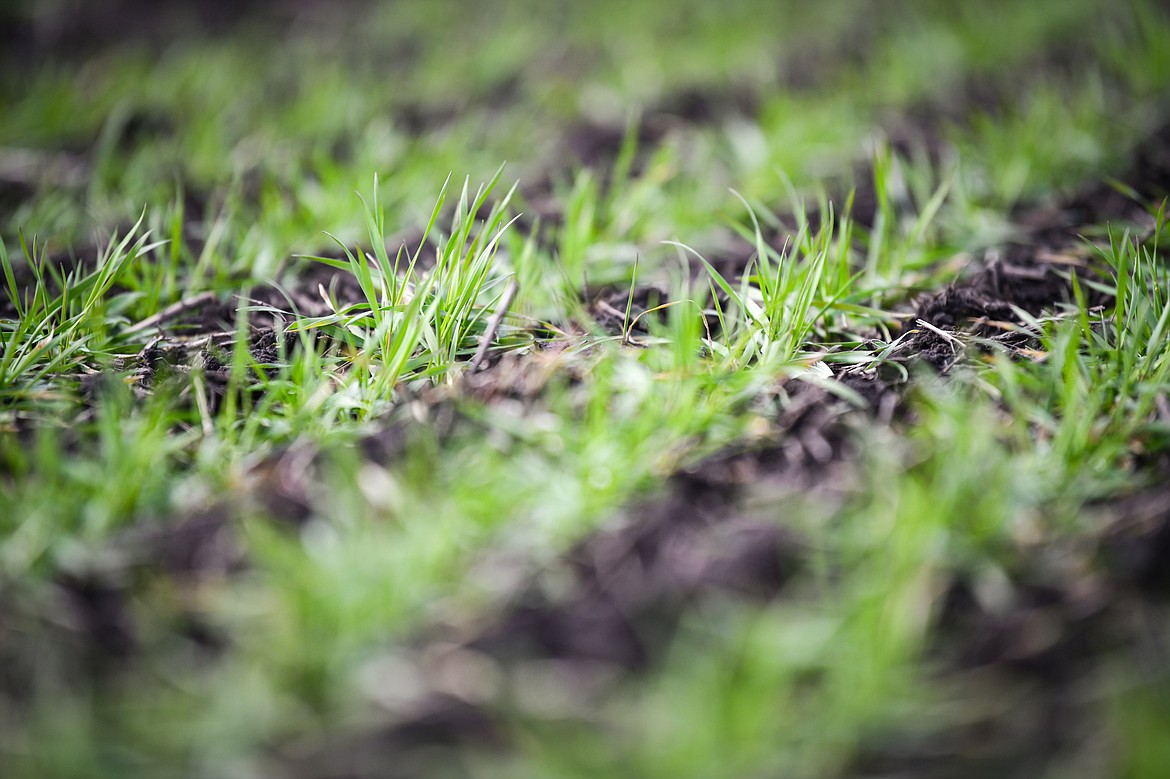
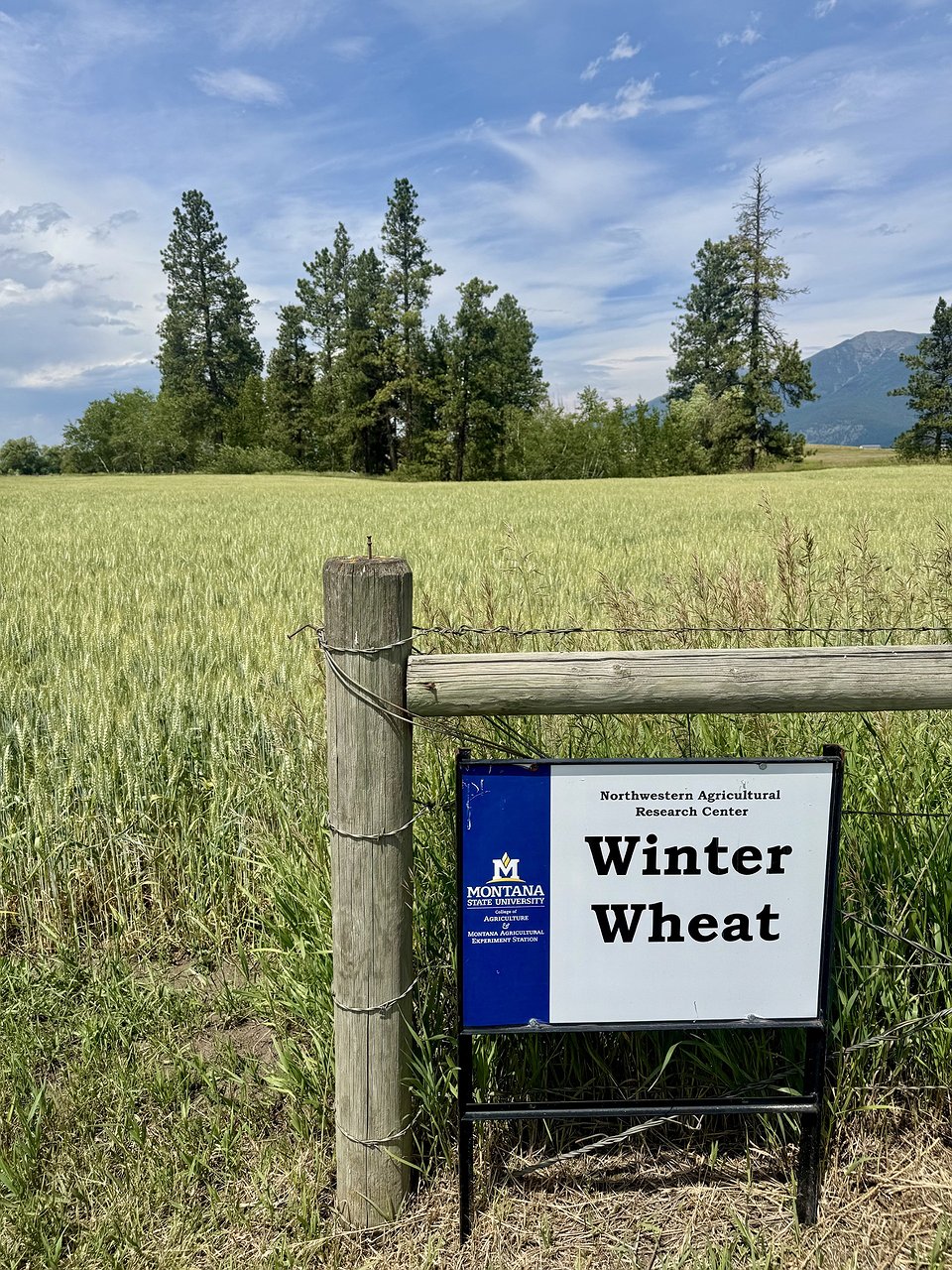
Winter wheat grows in rows at Montana State University's Northwestern Agricultural Research Center in Creston on Wednesday, March 27, 2024. (Casey Kreider/Daily
Casey Kreider
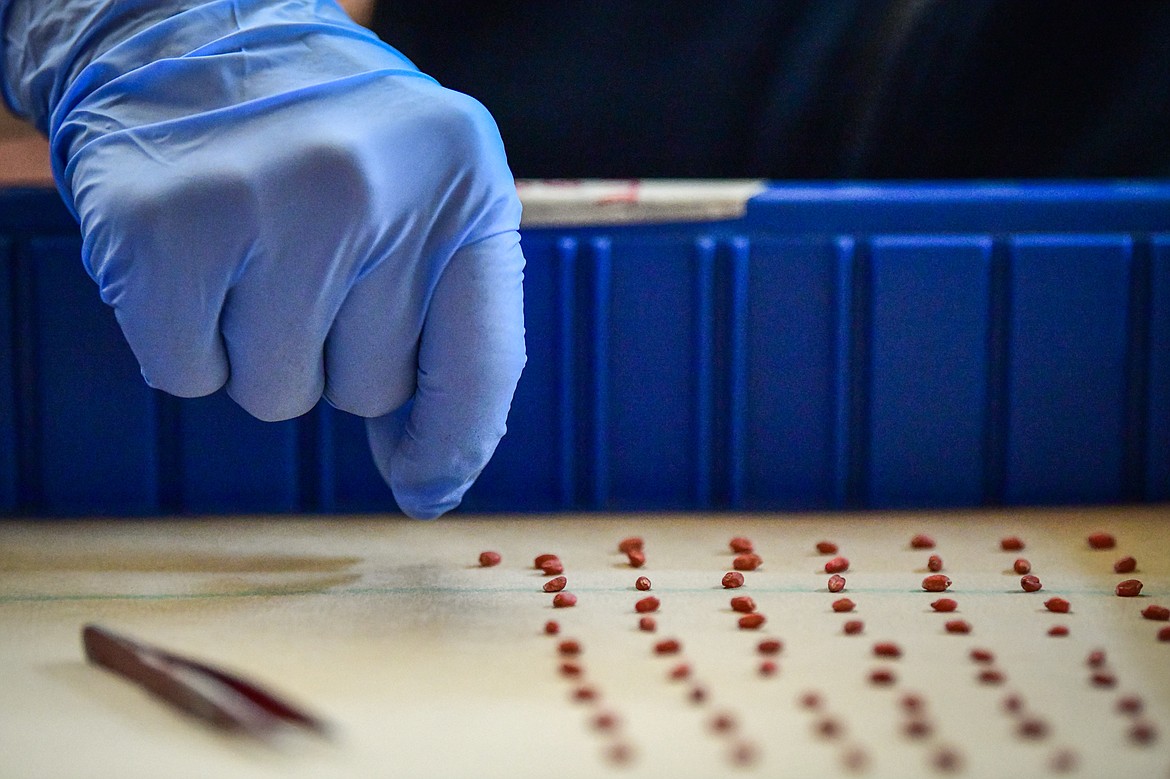
Maggie Sands lays out spring wheat seeds on germination paper while she and research associate Dan Porter perform germination tests at Montana State University's Northwestern Agricultural Research Center in Creston on Wednesday, March 27, 2024. (Casey Kreider/Daily Inter Lake)
Casey Kreider

Malcolm Manning clears wheat from the header of a combine while harvesting along Columbia Falls Stage on Tuesday, Sept. 3, 2024. (Casey Kreider/Daily Inter Lake)
Casey Kreider
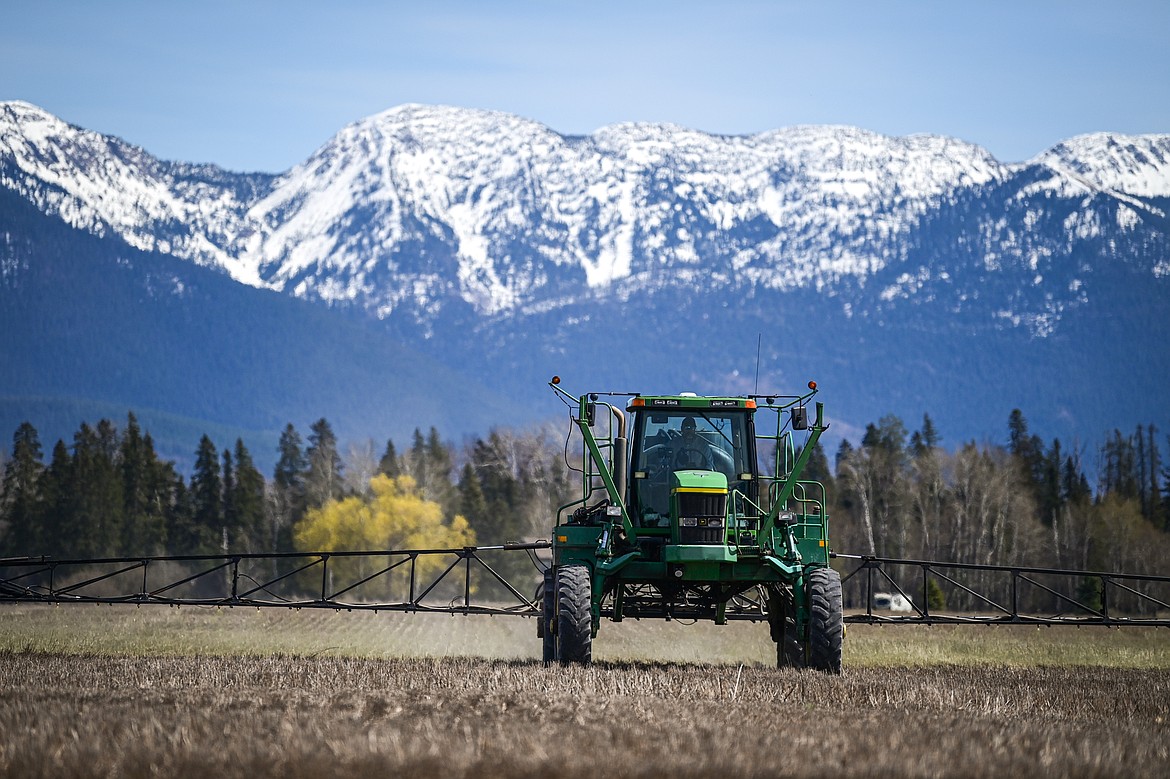
Tryg Koch uses a sprayer to apply a pre-emergent herbicide before planting mustard crops along Sonstelie Road on Monday, April 20. (Casey Kreider/Daily Inter Lake)
Casey Kreider
Tryg Koch uses a sprayer to apply a pre-emergent herbicide before planting mustard crops along Sonstelie Road on Monday, April 20. (Casey Kreider/Daily Inter Lake)
Casey Kreider
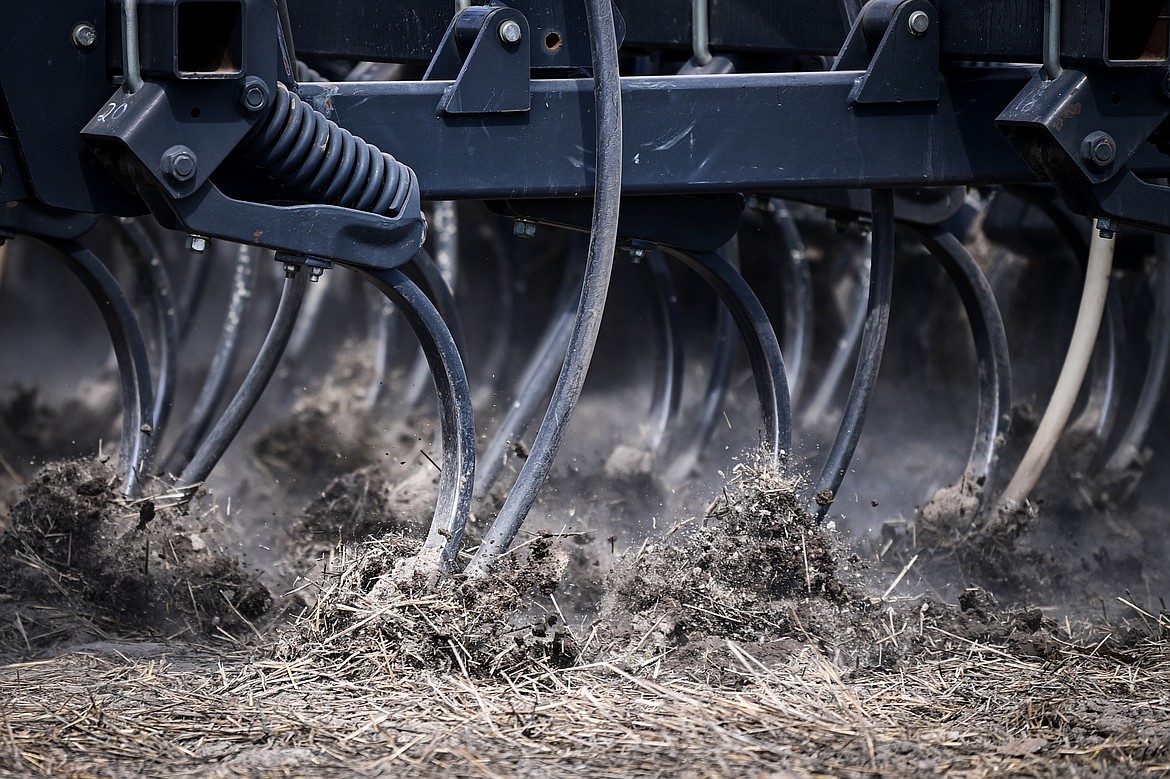
Johnny Burt uses an air seeder to plant rows of mustard crops along Sonstelie Road on Monday, April 20. (Casey Kreider/Daily Inter Lake)
Casey Kreider
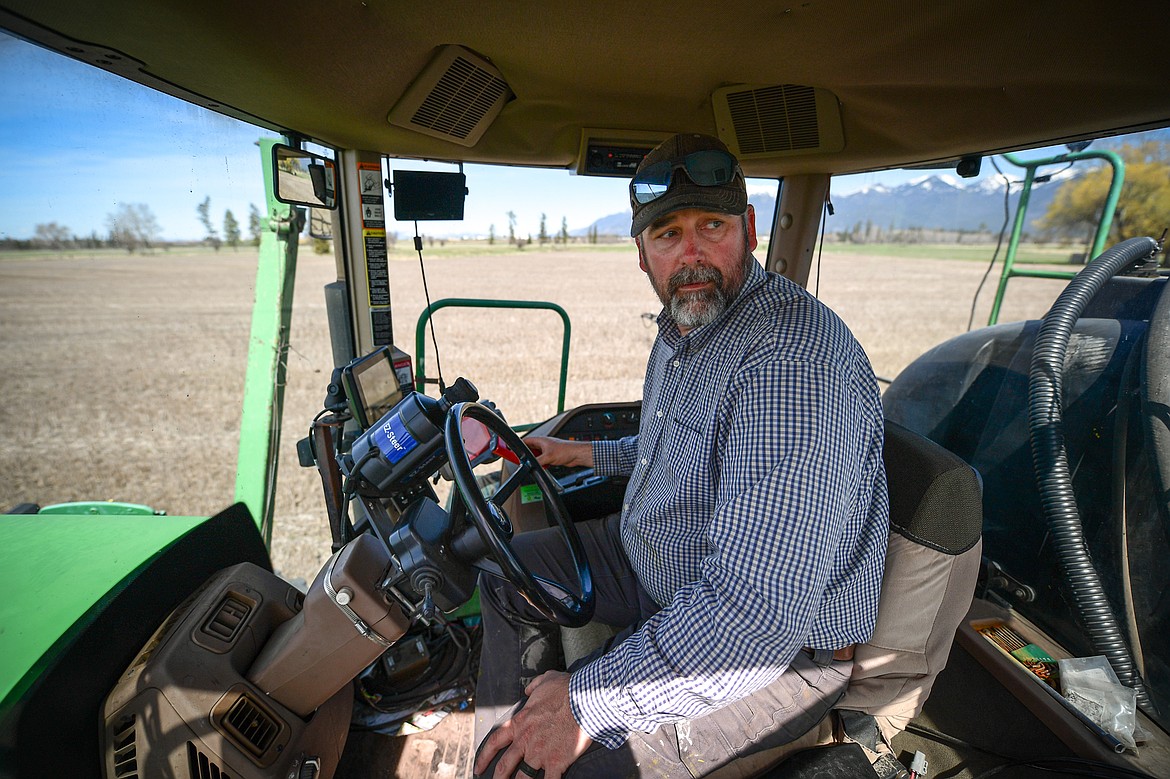
Tryg Koch uses a sprayer to apply a pre-emergent herbicide before planting mustard crops along Sonstelie Road on Monday, April 20. (Casey Kreider/Daily Inter Lake)
Casey Kreider
Tryg Koch uses a sprayer to apply a pre-emergent herbicide before planting mustard crops along Sonstelie Road on Monday, April 20. (Casey Kreider/Daily Inter Lake)
Casey Kreider
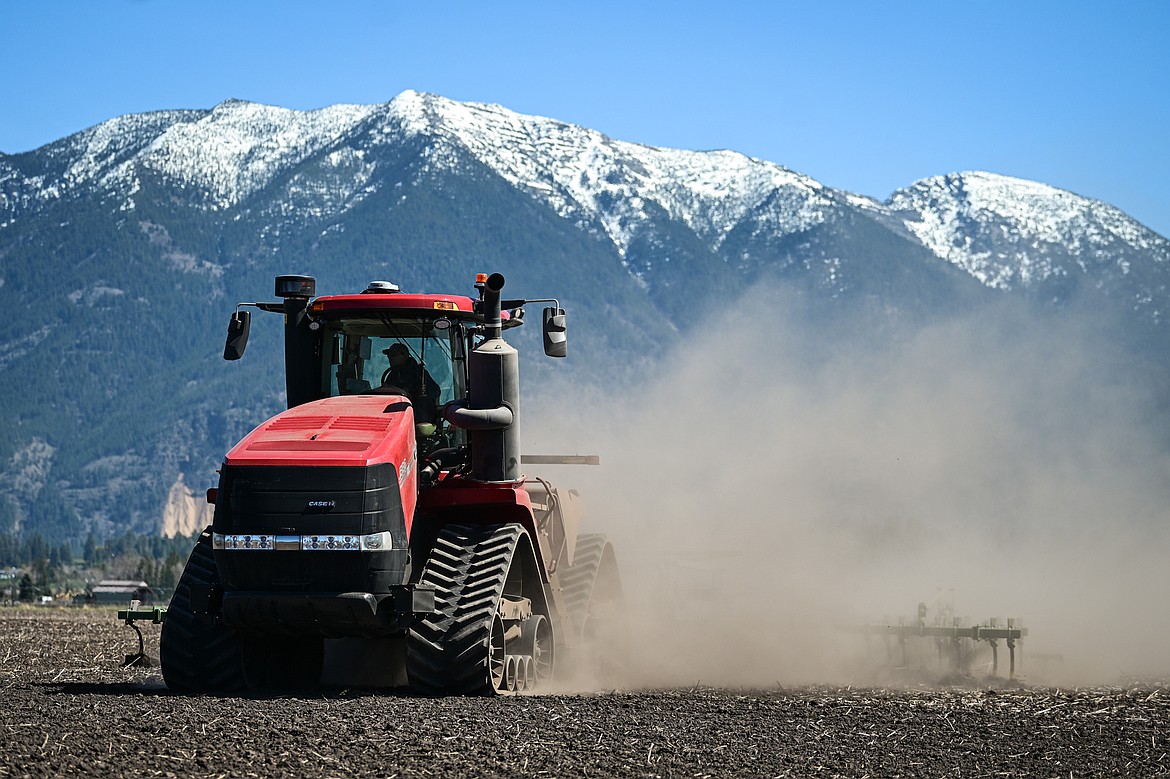
A farmer cultivates a field along Whitefish Stage Road on Tuesday, April 21. (Casey Kreider/Daily Inter Lake)
Casey Kreider
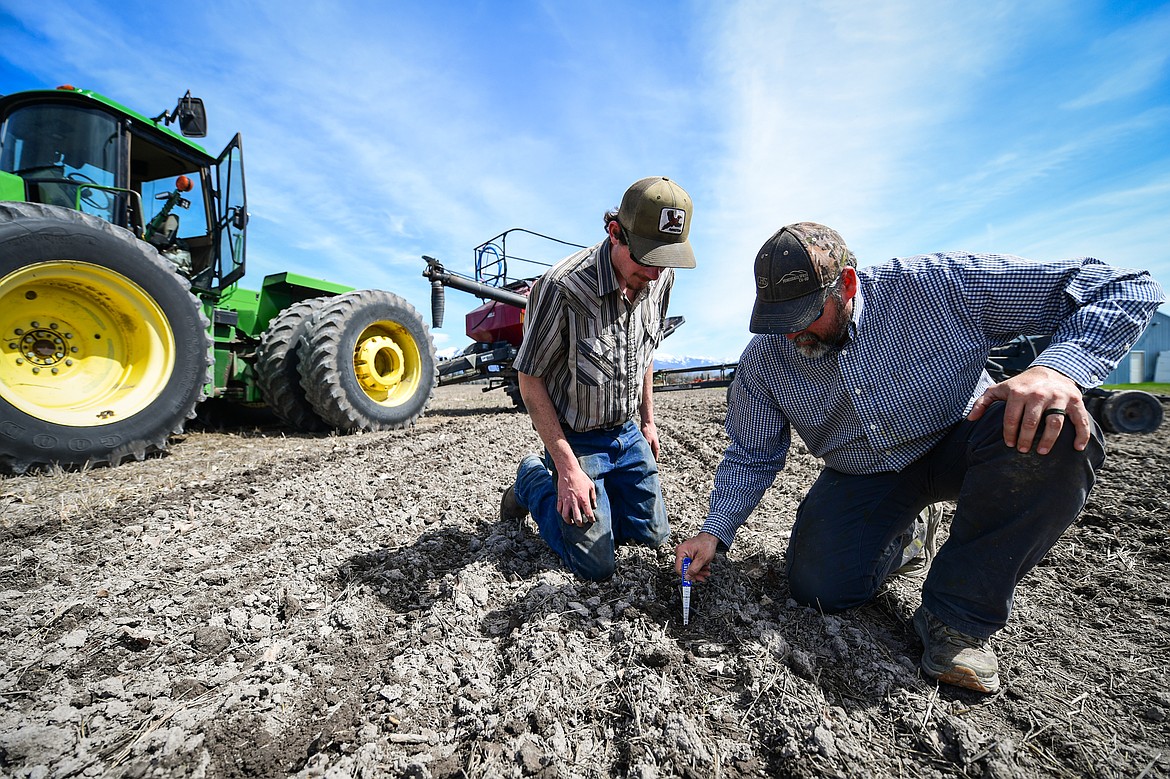
Johnny Burt and Tryg Koch check the seed depth of newly-planted rows of mustard along Sonstelie Road on Monday, April 20. (Casey Kreider/Daily Inter Lake)
Casey Kreider
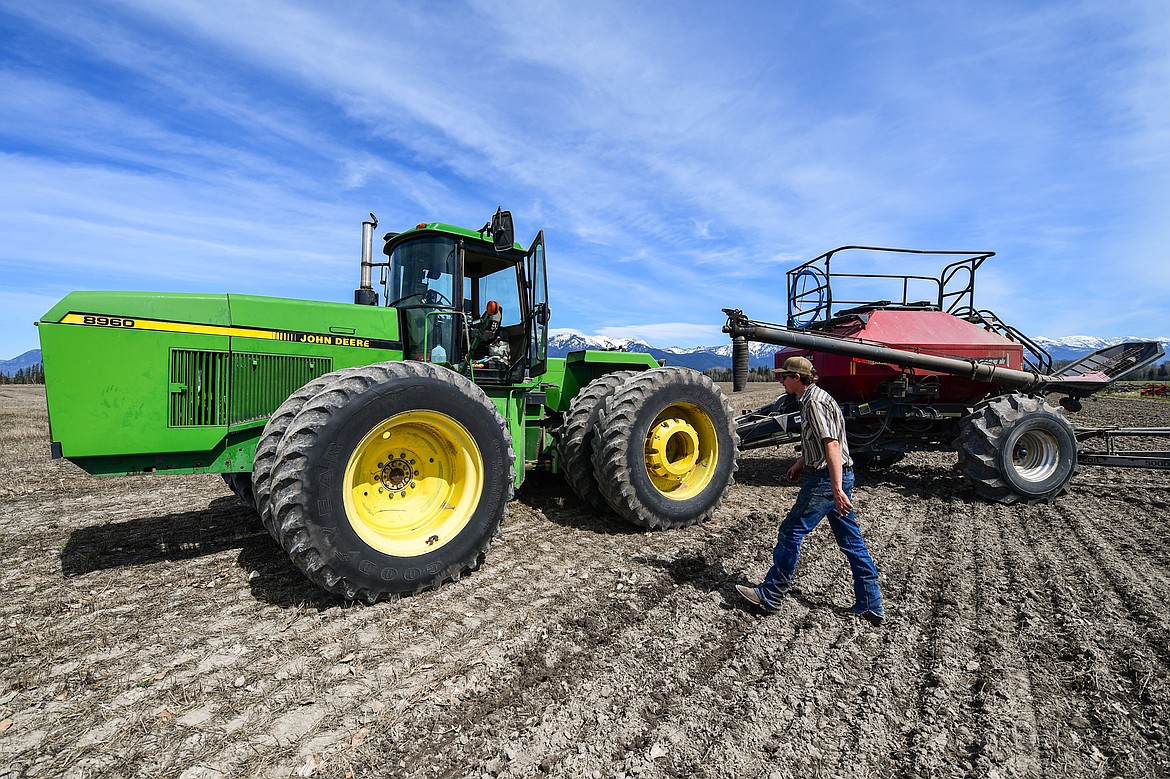
Johnny Burt gets into a tractor to plant mustard seeds along Sonstelie Road on Monday, April 20. (Casey Kreider/Daily Inter Lake)
Casey Kreider
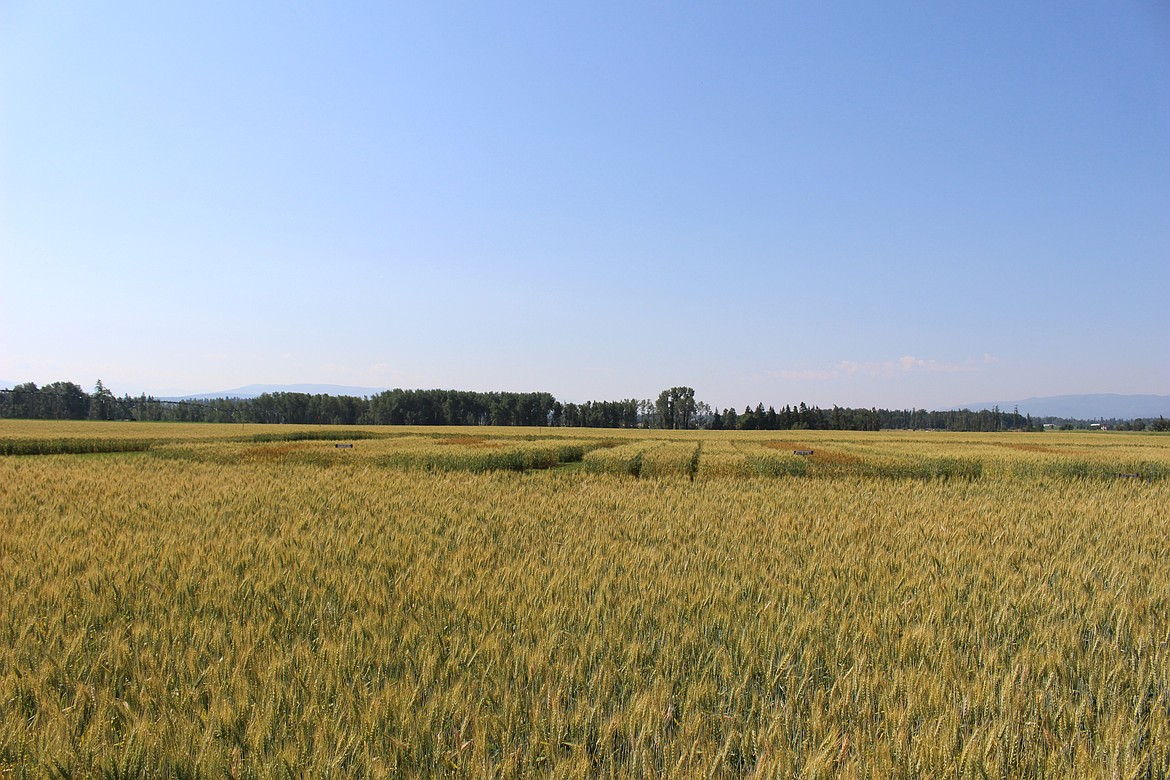
A field of winter wheat is seen at the Northwestern Agriculture Research Center’s Field Day in 2025. (Photo courtesy of the Northwestern Agriculture Research Center)
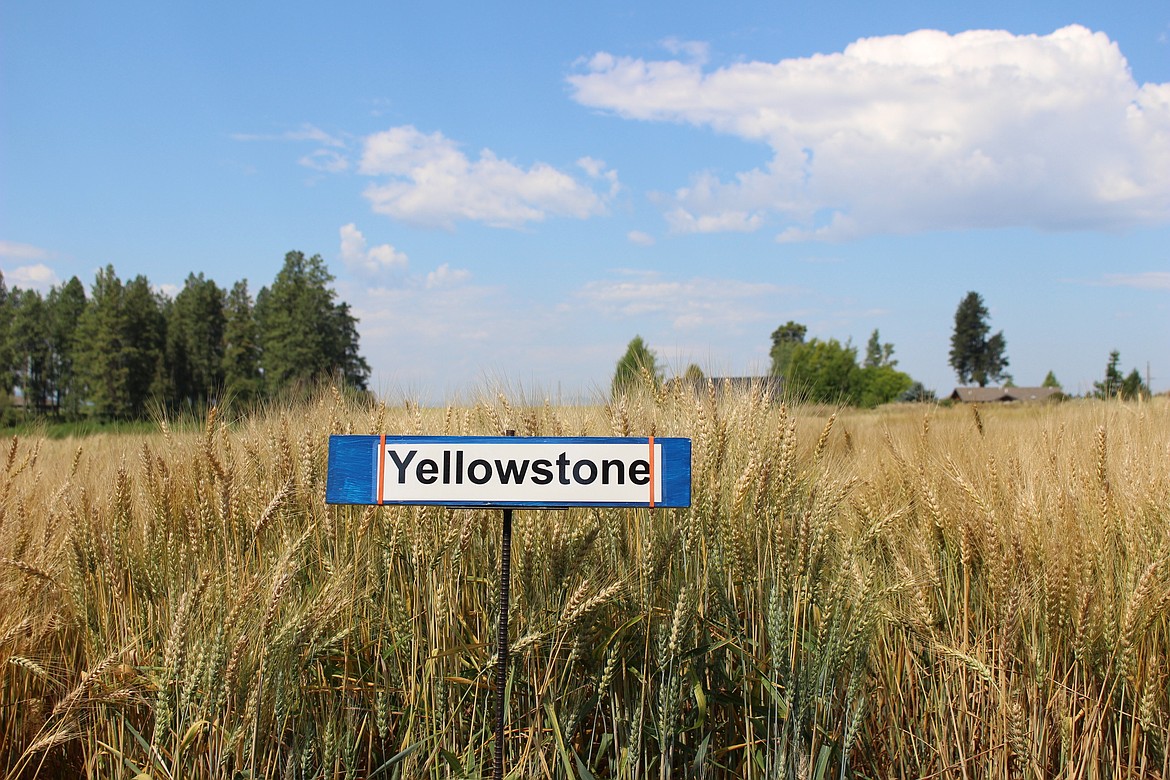
A variety of winter wheat called “Yellowstone” is seen at the Northwestern Agriculture Research Center’s Field Day in 2025. (Photo courtesy of the Northwestern Agriculture Research Center)
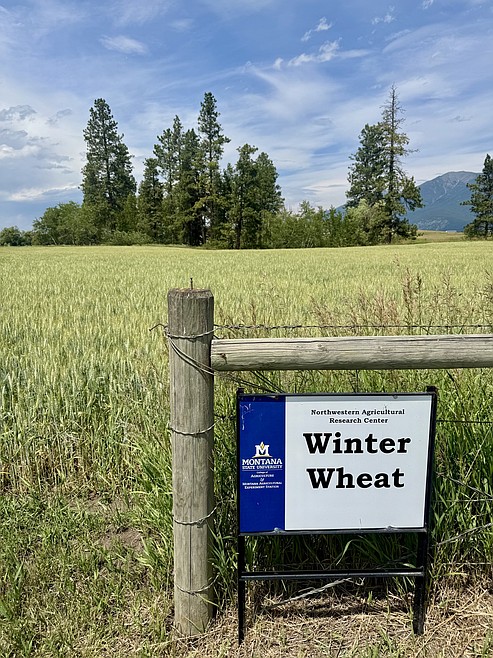
A field of winter wheat is seen at the Northwestern Agriculture Research Center’s Field Day in 2025. (Photo courtesy of the Northwestern Agriculture Research Center)
REPORTER AND PODCAST HOST Taylor Inman covers Bigfork and the north shore of Flathead Lake for the Bigfork Eagle and the Daily Inter Lake. Her reporting focuses on local government, community issues and the people who shape life in Northwest Montana. Inman began her journalism career at Murray State University’s public radio newsroom and later reported for WKMS, where her work aired on National Public Radio. In addition to reporting, she hosts and contributes to Daily Inter Lake podcasts including News Now. Her work connects listeners and readers with the stories shaping communities across the Flathead Valley. IMPACT: Taylor’s work expands local journalism through both traditional reporting and digital storytelling. | May 10, 2026 1:00 AM
Wheat is Montana’s top agricultural crop. Known for its high quality, the state’s wheat makes its way around the world, eventually becoming a variety of baked goods, noodles and pasta.
But turning the grain into staple foods sold at the bakery and served on the dinner table is facing challenges, as market constraints and the high cost to produce a decent yield have led some Flathead farmers to forgo planting this spring.
Tryg Koch is watching his 500 acres of winter wheat come along, but he’s not planting spring varieties this year. For the co-owner of Heritage Custom Farming, the decision has to do with the cost of production.
The crop requires more fertilizer to produce the protein content in hard red spring wheat, which is what makes it so valuable.
“With winter wheat, it doesn't require the same protein. So, you can use less fertilizer and it yields more — there’s still a lot of wheat being grown. It's just right now with hard red spring wheat, it costs more to grow because it needs more fertilizer to get that higher protein, and then it yields less,” he said.
Fertilizer prices have soared globally since the U.S. and Israel attacked Iran in February, leading to a slowdown in shipping through the Strait of Hormuz, a chokepoint for 20% of the world’s oil and natural gas. Besides increasing the price of fuel, which is key in the production of fertilizer, the shipping disruption has also largely stopped the export of nitrogen fertilizers manufactured in the Persian Gulf and limited access to key fertilizer ingredients, according to the Associated Press. Since the escalation of tension in the Middle East, increases in fertilizer and fuel prices have impacted spring planting decisions across the country, according to the American Farm Bureau Federation, which notes that nearly six in 10 farmers report worsening finances because of rising costs.
At Heritage Custom Farming, Koch and Lee Buller since 2005 have been providing serves tailored to small farm operations. After growing up on a farm near Creston, today Koch farms thousands of acres in northwestern Montana, collaborating with dozens of landowners.
Fortunately, Koch prepaid for fertilizer in January, but it’s always his biggest bill. He said in high-production winter wheat areas like Flathead County, farmers can see costs of $100 to $125 per acre in fertilizer.
It’s not the first time Koch has had to pivot.
“We had no choice, we had to cut back on fertilizer. You just can't afford to put all that fertilizer down, and so we use a soil health product called AgriGro. For everybody in the state, fertilizer is the number one expense for all farmers,” Koch said.
ONCE IT’S harvested, there is a variety of uses for Montana wheat. The high protein content of one of the most popular varieties, hard red spring wheat, makes it good for croissants, bagels and crusty breads, according to the Montana Wheat and Barley Committee. Eighty percent of the state’s wheat production is exported to countries along the Pacific Rim, with the majority of the winter wheat crop ending up as different kinds of noodles.
Farmers in the state plant hard white wheat and soft white wheat, which are used in flour for cookies, biscuits and cake, and durum, which is used in various kinds of pasta, according to the Montana Department of Agriculture.
Farmers in Montana harvested 4.9 million acres of wheat in 2025, compared to over 5.1 million acres in 2018, according to data from the U.S. Department of Agriculture’s annual State Agricultural Overview.
In the world market, U.S. wheat is priced higher compared to exporters like Russia because of higher production, freight costs and the need for greater protein. Montana’s sought-after varieties like dark northern spring wheat (a subclass of hard red spring wheat) with its higher protein content keep it on the map.
In late April, wheat futures were hovering around $6 per bushel, according to U.S. Wheat Associates. This is a great price, Koch notes, but global supply and demand dictate the final cash price.
Wheat is primarily sold as a global commodity through cash markets at local grain elevators or through futures contracts for a specific quantity of wheat at a set price.
The difference between cash and futures prices is often a negative value and based on conditions at local grain elevators. These conditions can include transportation, storage and interest costs and local supply and demand, according to the Michigan State University Extension.
THE FLATHEAD is a unique oasis, where there is considerably more moisture than the rest of the state, but the vast majority of Montana is dry land agriculture, according to Assistant Professor of Agronomy Joseph Jensen at the Northwestern Agricultural Research Center in Creston.
“We see limited rainfall, so crops like corn or soybeans, which need a lot of water to be productive, we just don’t have that here. But with wheat and barely, in a relatively short amount of time, with limited water, we can grow highly productive crops,” he said.
What Jensen is most concerned about for the upcoming growing season for wheat is rust, a fungal disease that can affect the leaf or stem of the plant.
Researchers at Washington State University recently sounded the alarm about stripe rust, which appears as long yellow-to-orange linear stripes along wheat leaves and can cause substantial yield and quality losses. Widespread observations of actively sporulating stripe rust infections were found in multiple Washington counties as of early March, according to the university.
“Due to the lack of winter, all of those fungal pathogens were just moving up the coast — California, then up through Oregon, much faster and much earlier than they normally do,” Jensen said. “So, those reports were saying that there might be an extra fungal applicator fungicide application that would be needed to keep rest populations low enough to get a good crop.”
Research center staff have been scouting the fields once a week for rust, and fortunately, haven’t seen anything blow over from Washington.
“Fungicides are really expensive, and with the low price of wheat, there's a lot of people that are going to have to make that decision, is this worth the cost versus the yield that I'm going to lose?” he said.
In line with Koch’s plans, Jensen has heard from other agronomists that farmers in the region are choosing not to plant spring wheat this year. Though things may change, he said they’ve opted to plant winter wheat rather than spring varieties.
In mid-April, Koch’s crop was just starting to grow and “got its butt kicked” in the previous weeks due to cold temperatures at night.
Though it was fighting for its life, Koch said the plant broke its dormancy and had been growing for about a month. Rain and warmer spring days in the forecast gave him hope that it would continue to grow.
Reporter Taylor Inman can be reached at 406-758-4440 or [email protected]. If you value local journalism, pledge your support at dailyinterlake.com/support.
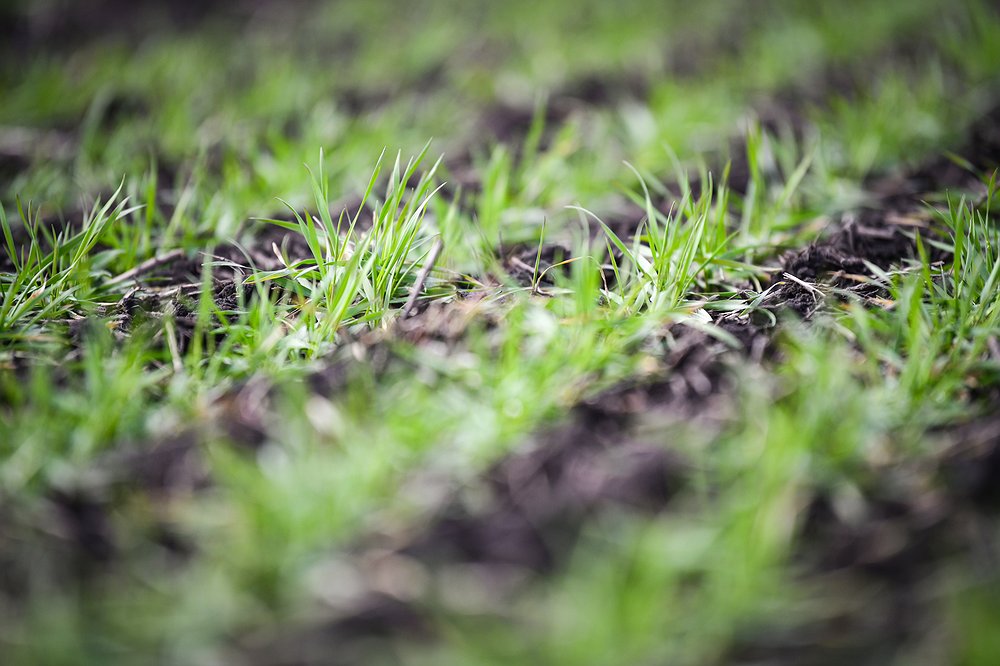 Winter wheat grows in rows at Montana State University's Northwestern Agricultural Research Center in Creston on Wednesday, March 27. (Casey Kreider/Daily
Casey Kreider
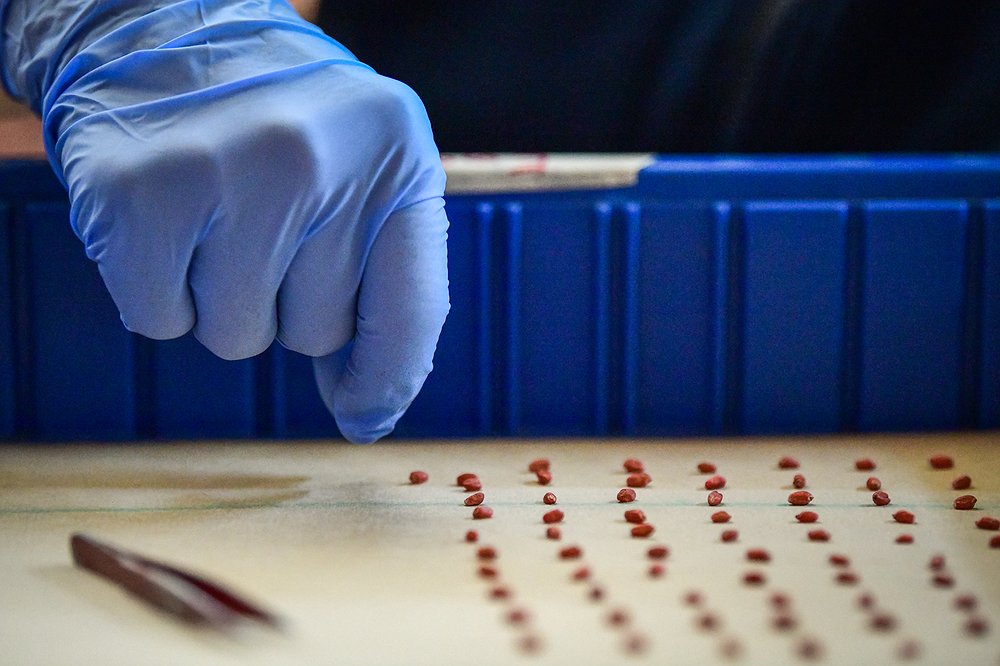 Maggie Sands lays out spring wheat seeds on germination paper while she and research associate Dan Porter perform germination tests at Montana State University's Northwestern Agricultural Research Center in Creston on Wednesday, March 27. (Casey Kreider/Daily Inter Lake)
Casey Kreider
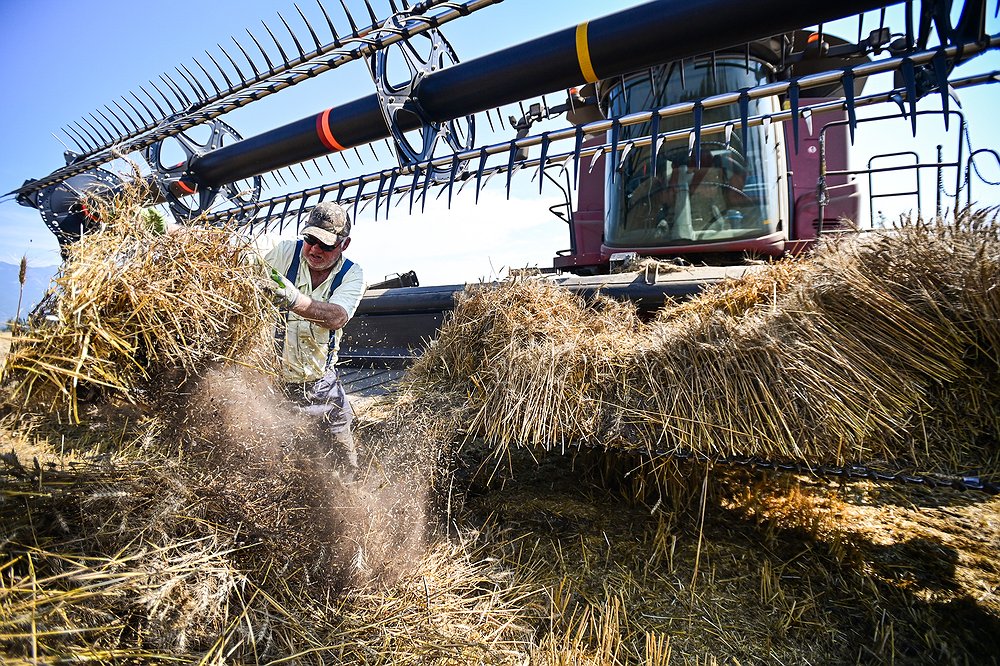 Malcolm Manning clears wheat from the header of a combine while harvesting along Columbia Falls Stage on Tuesday, Sept. 3, 2024. (Casey Kreider/Daily Inter Lake)
Casey Kreider
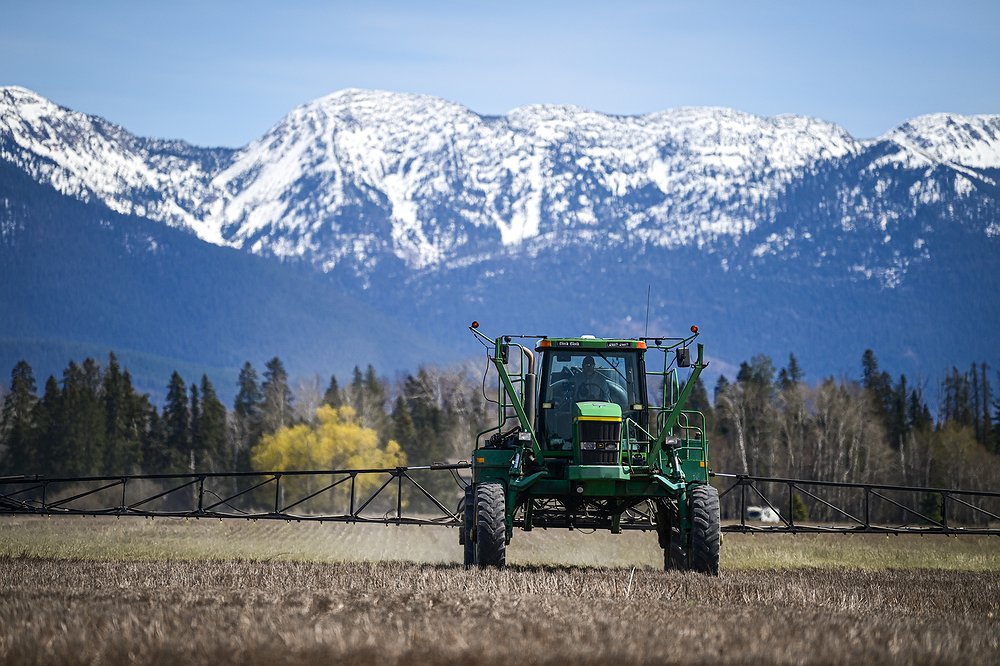 Tryg Koch uses a sprayer to apply a pre-emergent herbicide before planting mustard crops along Sonstelie Road on Monday, April 20. (Casey Kreider/Daily Inter Lake)
Casey Kreider
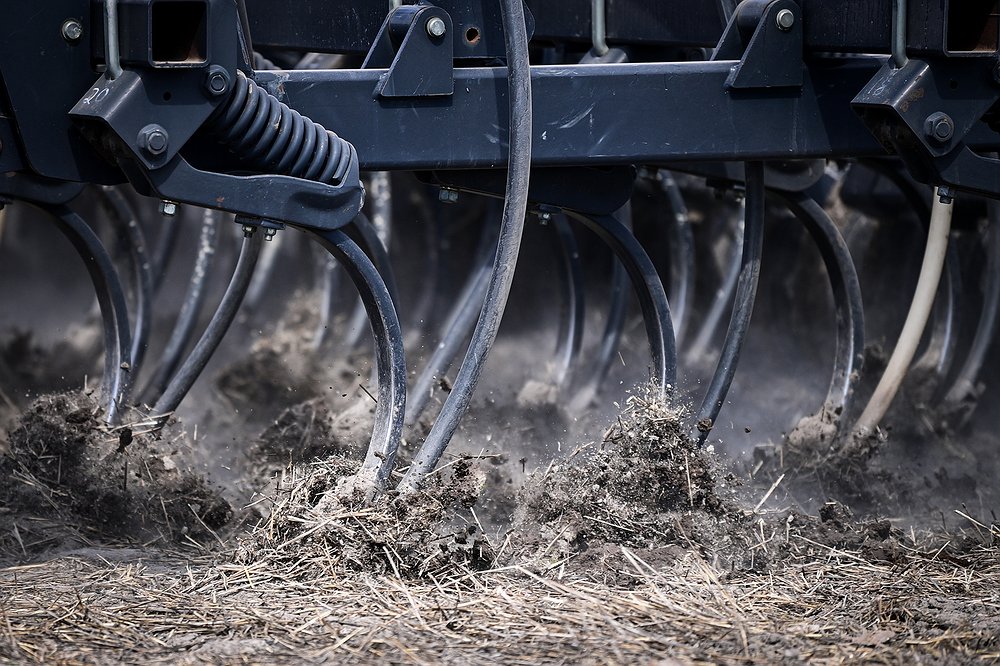 Johnny Burt uses an air seeder to plant rows of mustard crops along Sonstelie Road on Monday, April 20. (Casey Kreider/Daily Inter Lake)
Casey Kreider
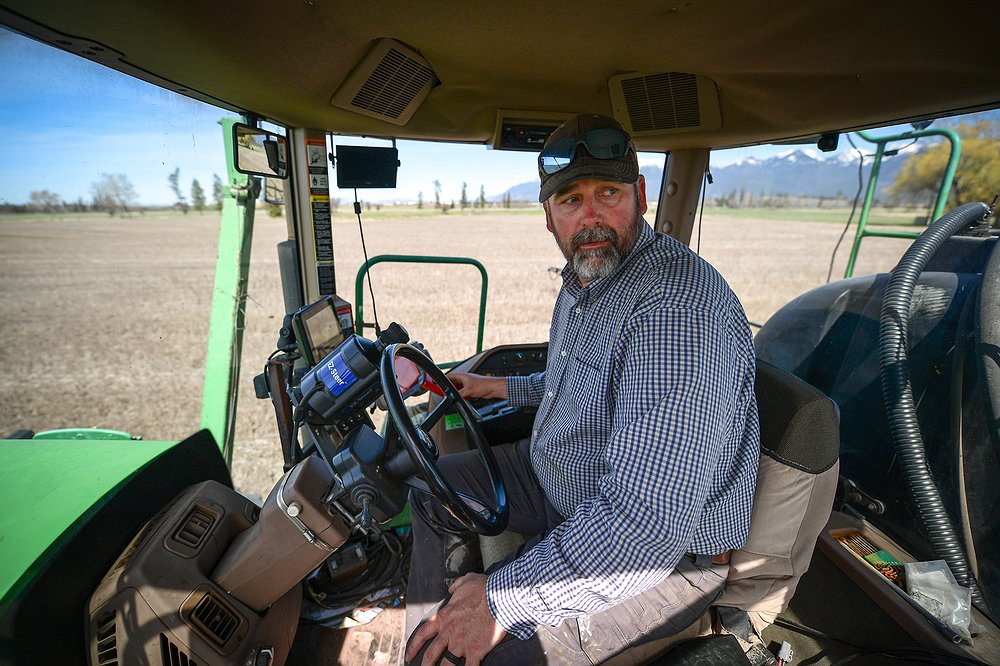 Tryg Koch uses a sprayer to apply a pre-emergent herbicide before planting mustard crops along Sonstelie Road on Monday, April 20. (Casey Kreider/Daily Inter Lake)
Casey Kreider
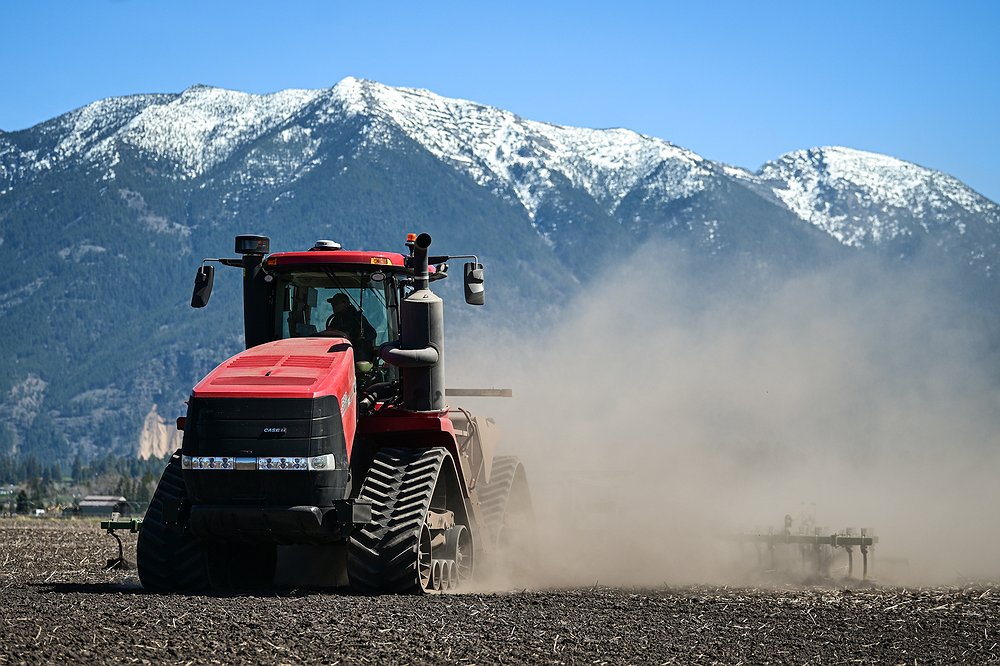 A farmer cultivates a field along Whitefish Stage Road on Tuesday, April 21. (Casey Kreider/Daily Inter Lake)
Casey Kreider
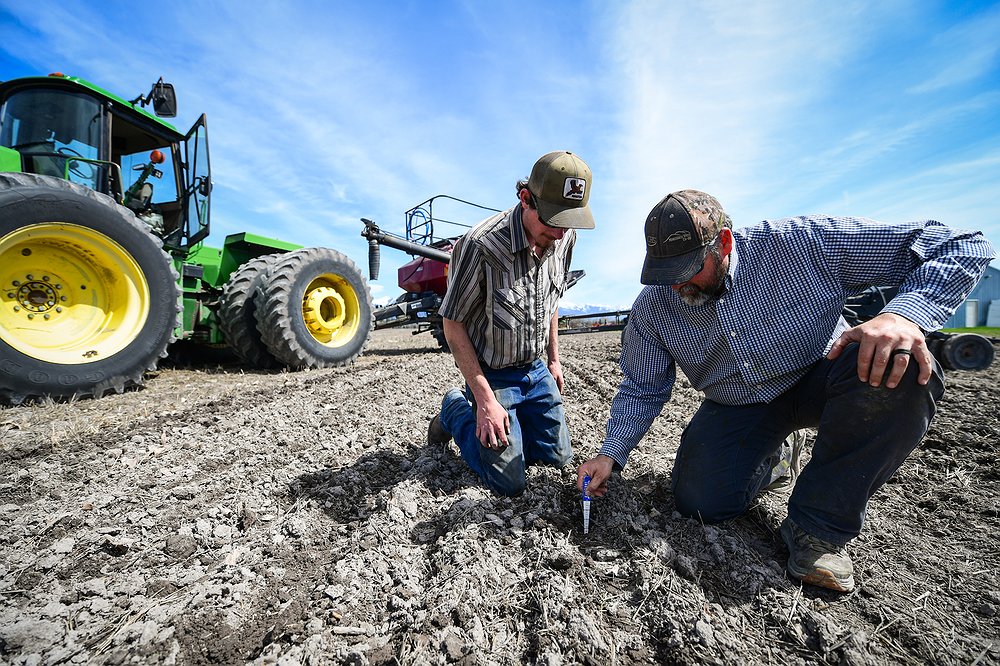 Johnny Burt and Tryg Koch check the seed depth of newly-planted rows of mustard along Sonstelie Road on Monday, April 20. (Casey Kreider/Daily Inter Lake)
Casey Kreider
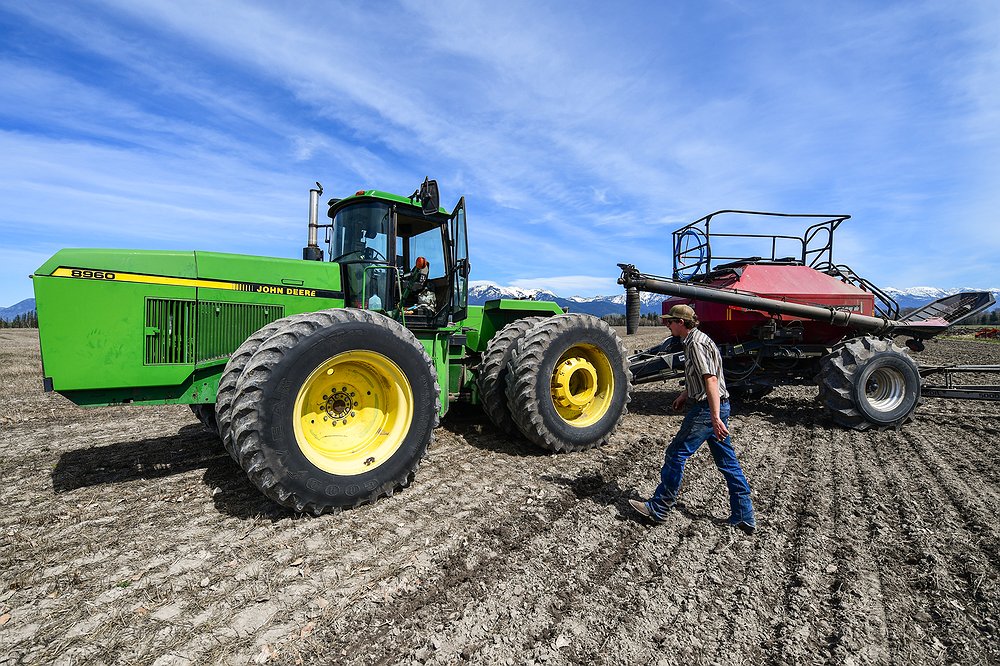 Johnny Burt gets into a tractor to plant mustard seeds along Sonstelie Road on Monday, April 20. (Casey Kreider/Daily Inter Lake)
Casey Kreider
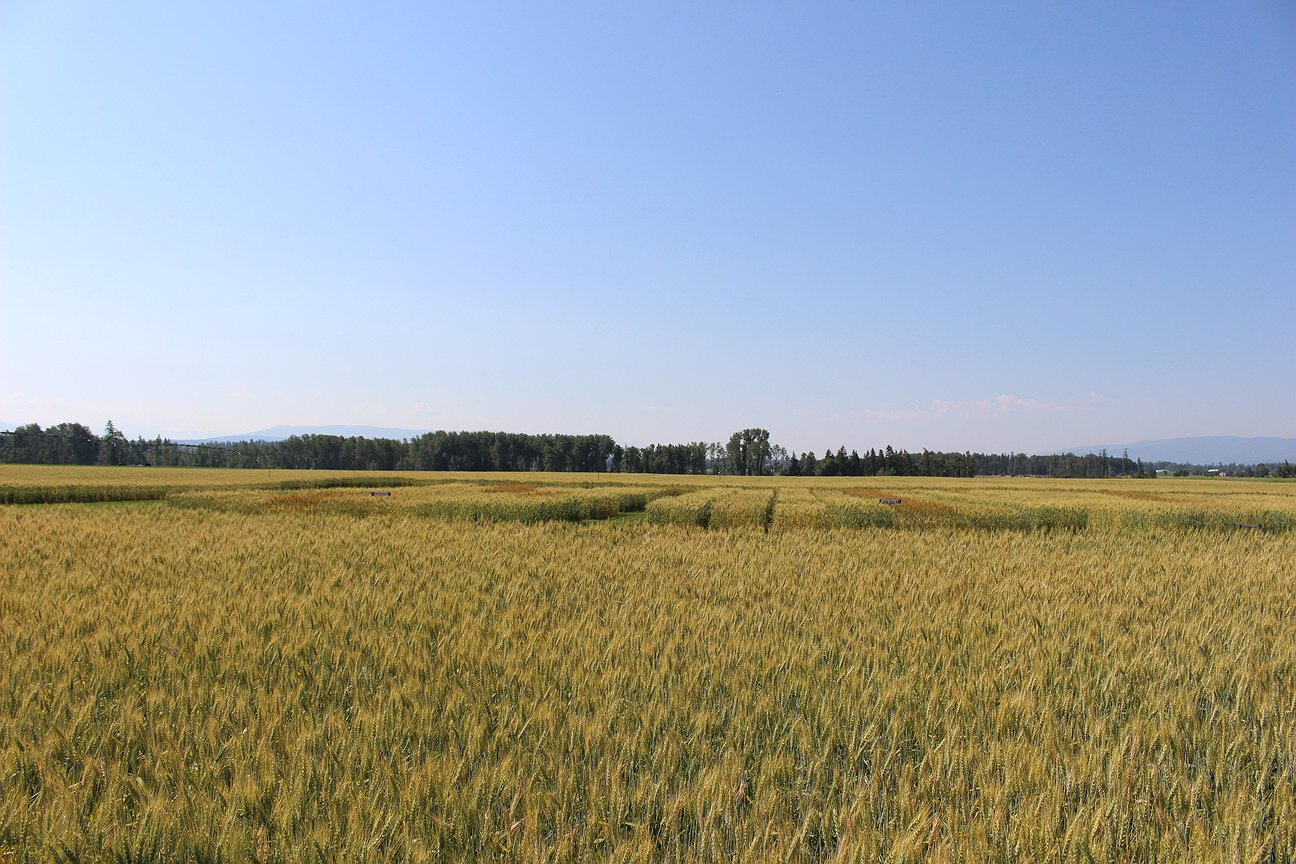 A field of winter wheat is seen at the Northwestern Agriculture Research Center’s Field Day in 2025. (Photo courtesy of the Northwestern Agriculture Research Center)
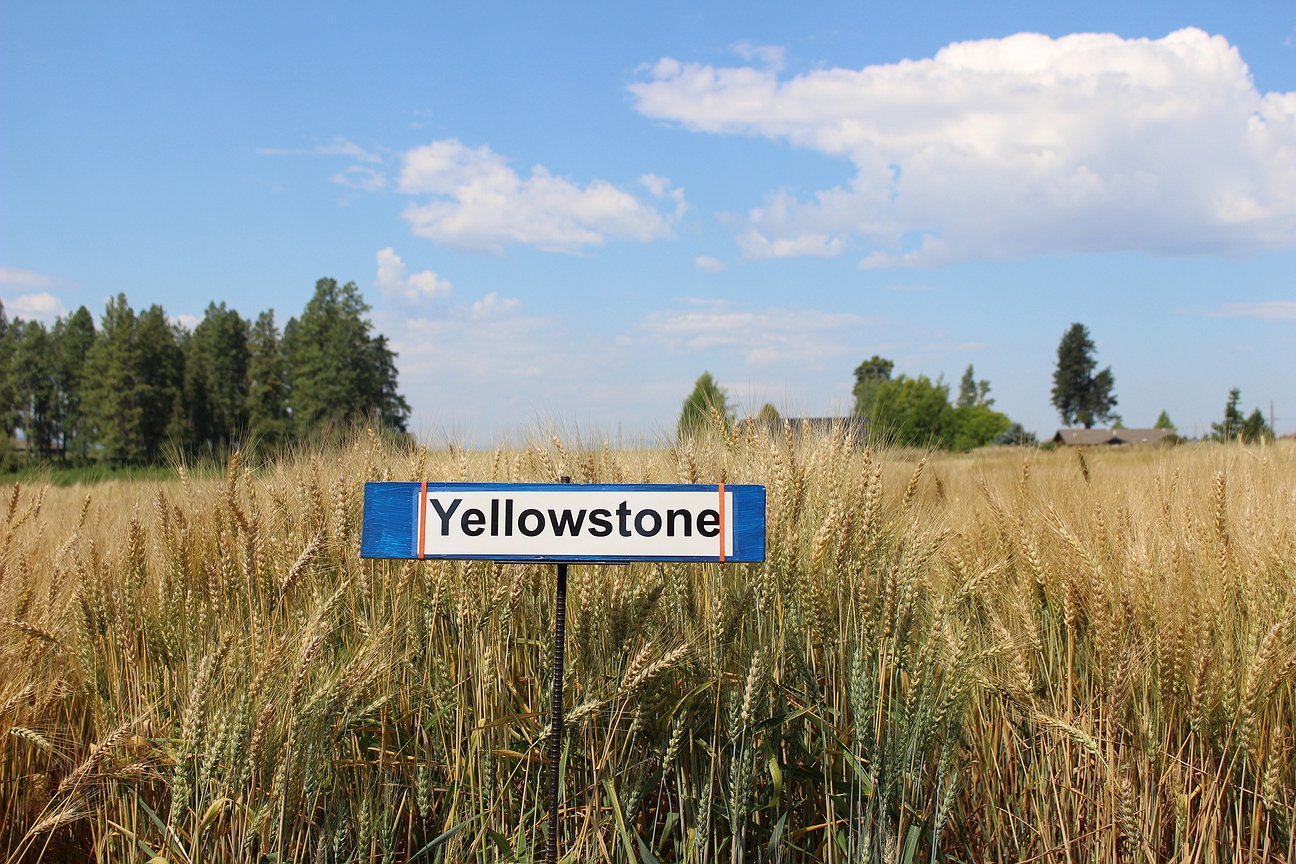 A variety of winter wheat called “Yellowstone” is seen at the Northwestern Agriculture Research Center’s Field Day in 2025. (Photo courtesy of the Northwestern Agriculture Research Center)
 A field of winter wheat is seen at the Northwestern Agriculture Research Center’s Field Day in 2025. (Photo courtesy of the Northwestern Agriculture Research Center)
ARTICLES BY TAYLOR INMAN

No measles cases identified in Flathead County following recent exposure alert
The Flathead City-County Health Department hasn’t identified any measles cases in the county following an exposure alert that originated in the West Glacier area at the beginning of September.

Deep Dive: Outdoor Lab part one, watermelon snow and bumble bee detectives
Daily Inter Lake reporter Hailey Smalley talks with host Taylor Inman about the first of her two stories in her Outdoor Lab series - snow algae at Logan Pass and a bumble bee survey in an alpine meadow.

Logan Health nurses union ratifies new contract with major across-the-board raises
Nurses at Logan Health in Kalispell say their newest union contract includes "life changing" pay raises that benefit both tenured and new nurses.