
Why tub-to-shower conversions are leading budget bathroom remodels
Bonner County Daily Bee | UPDATED 6 months, 1 week AGO
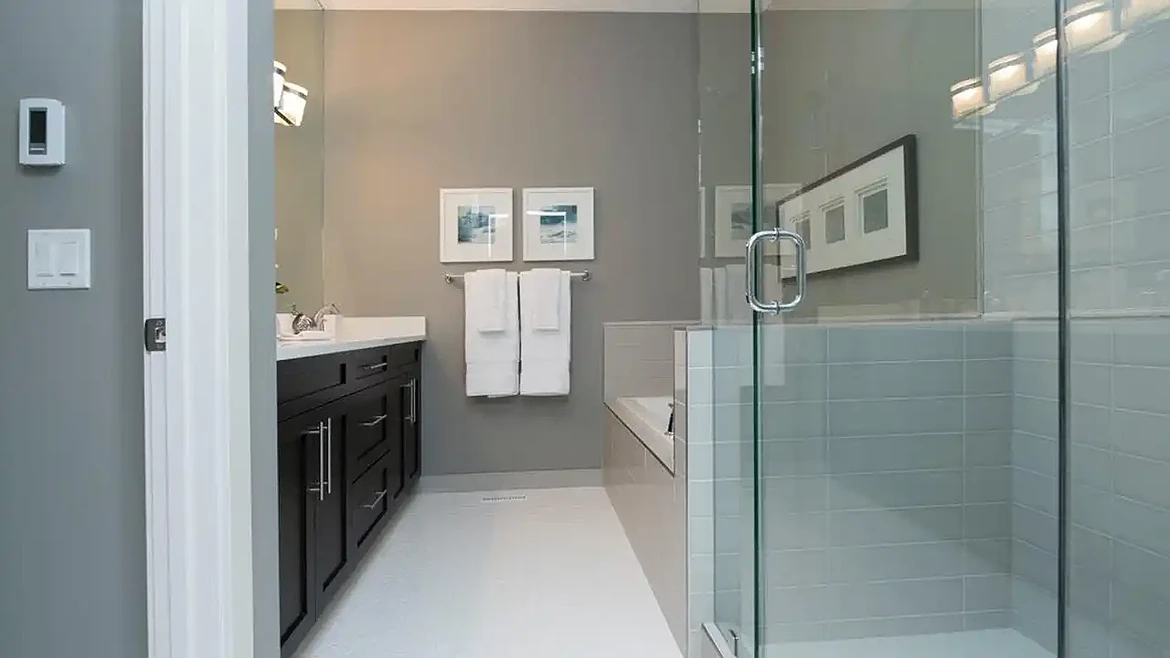
A cramped bathroom with an oversized tub can quietly waste space, increase maintenance, and make daily routines feel less practical. Tub-to-shower conversions have become one of the most popular budget bathroom remodel options because they simplify layouts, improve accessibility, and often cost less than full-scale renovations while still delivering a noticeable visual upgrade.
Homeowners looking for faster remodel timelines, lower material costs, and better functionality are increasingly replacing unused tubs with modern walk-in showers that fit both smaller budgets and changing lifestyles. Many homeowners start considering the switch after realizing the bathtub rarely gets used outside of occasional cleaning days. A dated tub surrounded by worn tile can make the entire bathroom feel older, even if the rest of the home has been updated.
At the same time, rising renovation costs have pushed more people toward remodel choices that create a visible impact without requiring a complete demolition. That growing demand has helped tub-to-shower conversions become one of the most practical ways to modernize a bathroom without taking on the expense of a luxury renovation project.
What Makes Tub-To-Shower Conversions More Affordable?
Many homeowners choose tub-to-shower conversions because the project delivers a noticeable, affordable bathroom upgrade without the cost of a full-scale renovation. Contractors can often focus on replacing a single fixture area while leaving the existing plumbing layout largely intact. That smaller scope helps reduce:
- Labor expenses
- Demolition work
- Material costs
Keeping plumbing connections in the same location is one of the biggest financial advantages. Relocating drains, water lines, and ventilation systems can quickly increase remodeling budgets. Tub-to-shower conversions usually avoid many of those complications, especially when the new shower fits within the original bathtub footprint.
Material flexibility also helps homeowners manage costs more effectively. Some choose custom tile showers, while others select prefabricated wall systems that install faster and require less labor. Modern shower kits now come in a wide range of finishes that mimic stone, tile, and textured surfaces without the same installation expense.
Homeowners can also prioritize upgrades selectively instead of replacing every feature in the bathroom at once. Many projects focus their spending on:
- New shower fixtures
- Glass shower doors
- Waterproof wall panels
- Built-in storage niches
- Slip-resistant flooring
- Updated lighting
- Modern hardware finishes
This targeted approach allows homeowners to modernize the bathroom while maintaining tighter control over the overall remodeling budget.
Can Tub-To-Shower Conversions Increase Home Value?
Bathroom upgrades often play a major role in how buyers view a property, especially when older fixtures make the space feel dated or difficult to maintain. Tub-to-shower conversions can improve a bathroom's appearance and overall flow, which may help the home feel more modern during showings and online listings.
Many buyers now prioritize convenience and practical layouts over oversized tubs that rarely get used. Walk-in showers can make smaller bathrooms appear more spacious while giving the room a cleaner and more updated design.
Features like the following often create a stronger visual impression without requiring a complete bathroom rebuild:
- Frameless doors
- Recessed shelving
- Modern fixures
- Neutral color palettes
- Updated lighting fixtures
Bathroom Remodel Ideas: Saving Space
Older bathrooms often waste valuable square footage on bulky tubs and awkward layouts that make the space feel cramped. Reworking those areas can dramatically improve comfort and functionality.
Walk-in showers immediately open the room visually, especially when paired with clear glass panels and lighter finishes. Removing a traditional tub curtain or large framed enclosure allows natural and artificial light to move more freely across the bathroom, helping smaller spaces feel less confined.
Storage upgrades also play a major role in space-saving remodels. Bathrooms can quickly become cluttered. Many homeowners now incorporate built-in solutions directly into the remodel rather than adding bulky storage furniture afterward.
Increasing Accessibility
Accessibility has become one of the biggest factors influencing modern bathroom remodel decisions. Many homeowners are looking beyond short-term design trends and focusing on upgrades that improve safety, comfort, and ease of use for years to come.
Tub-to-shower conversions fit naturally into that goal because they remove one of the most difficult obstacles in the bathroom: stepping over a high bathtub wall.
Traditional tubs can create mobility challenges for:
- Older adults
- People recovering from injuries
- Anyone dealing with balance limitations
- People managing chronic joint pain
Walk-in showers reduce that risk while making the bathroom easier to navigate. Even homeowners without immediate mobility concerns often choose these upgrades as part of long-term planning for aging in place.
Frequently Asked Questions
How Long Does A Tub-to-Shower Remodel Take?
Many tub-to-shower conversions can be completed within a few days, although the exact timeline depends on the project's complexity, material availability, and condition of the existing bathroom. Simpler installations that keep the original plumbing layout intact generally move faster than remodels involving custom tile work or structural repairs.
Unexpected issues behind the walls can also affect scheduling. Contractors sometimes uncover:
- Water damage
- Outdated plumbing
- Mold
- Subfloor problems
Permit approvals, glass installation timelines, and special order fixtures may extend the process further, depending on the scope of the remodel.
What Are the Most Common Mistakes During Bathroom Remodels?
One of the most common mistakes is focusing only on appearance while overlooking functionality, storage, ventilation, and long-term maintenance needs. Homeowners sometimes choose trendy materials or oversized fixtures that look appealing initially but create cleaning challenges or reduce usable space over time.
Budget planning also creates problems when unexpected expenses are not considered. Rushing contractor decisions, skipping waterproofing steps, and choosing poor lighting layouts are additional issues that can affect the final result long after the remodel is complete.
What Questions Should Homeowners Ask Before Hiring A Bathroom Contractor?
Homeowners should ask contractors about:
- Licensing
- Insurance coverage
- Project timelines
- Payment schedules
- Experience handling tub-to-shower conversions
It is also important to ask:
- Who will complete the work each day
- How unexpected issues will be handled
- What type of warranty is included after installation
Clear communication early in the process often helps prevent delays and misunderstandings later. Homeowners may also want to request references, review past project photos, and confirm what materials are included in the quoted price before signing a contract.
Plan Your Budget Bathroom Remodel Today
A tub-to-shower conversion can be a great option for any budget bathroom remodel.
Are you looking for more home redesign advice? Explore some of our other articles
This article was prepared by an independent contributor which helps us continue delivering quality content to our audiences.