
Muscle aches and pains after exercise: What is normal and what is not?
Nicole Melchionda | Bonner County Daily Bee | UPDATED 5 months, 3 weeks AGO
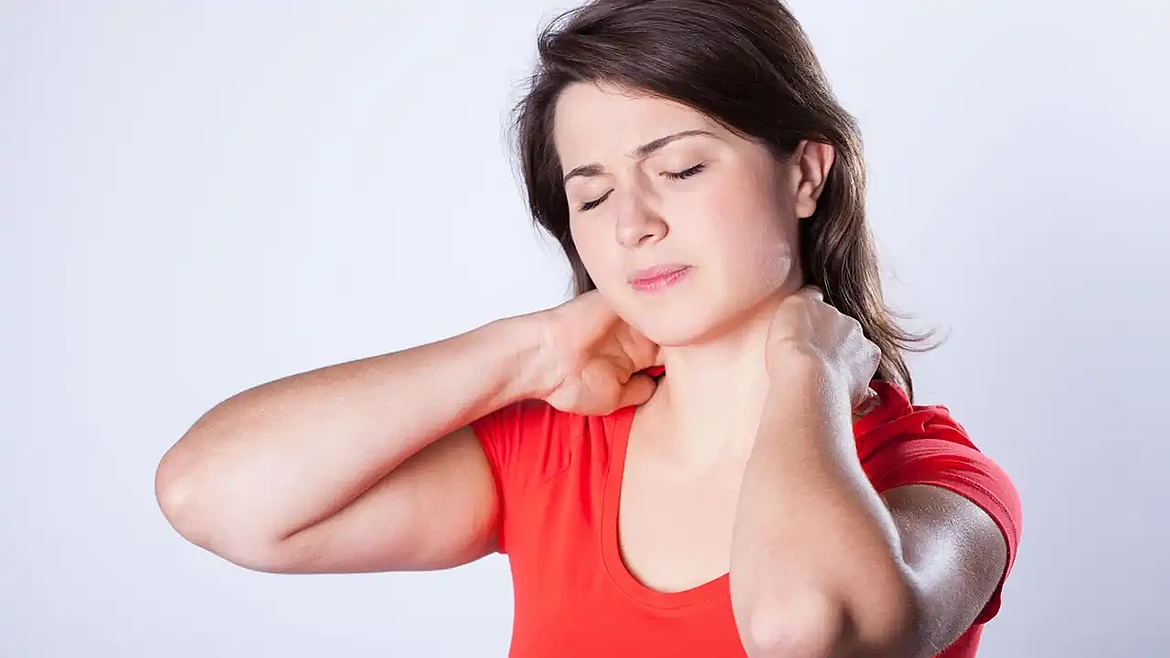
It's normal to feel some degree of soreness in your muscles after a workout, but sharp or intense pain could point to a possible injury. In situations like this, it's best to ignore the adage, "No pain, no gain."
While a sedentary lifestyle is something that you should avoid if you want to be healthy, there's such a thing as overdoing it. It's true that a hard workout can leave most people feeling quite stiff the next day, or even the next several days.
The more you know about muscle aches and pains, the better you can steer clear of long-term problems and recover after exercise safely.
What Causes Muscle Soreness After Exercise?
Most exercise puts some degree of stress on your muscle fibers. This is especially true if you're engaging in strength training or trying out movements that are unfamiliar to your body. The stress can cause tiny tears in the muscle fibers, which causes inflammation and triggers repair.
The recovery often involves delayed onset muscle soreness, or DOMS for short. It means that you won't actually feel this soreness until a day or two after the fact. The soreness tends to peak around the two- or three-day mark.
The following is what can usually lead to DOMS:
- Walking up hill
- Lowering weights slowly
- Sprinting
- Getting back into exercise after a long break
You can expect to feel everything from tenderness and stiffness to fatigue and the sense of an aching body. Don't worry, though, because these symptoms should improve bit by bit as you rest and move around in a less strenuous way.
Instead of trying to power through it, it's best to:
- Take it easy
- Drink plenty of water
- Get quality sleep
Paying attention to your nutrition can also help with recovery. That way, you can reduce your chance of getting an injury or feeling fatigued all the time.
When Is Muscle Pain After Exercise Considered Normal?
In general, soreness tends to feel a bit dull, tight, and tender. It shouldn't feel sharp or sudden. While your day-to-day movement will be uncomfortable as your muscles heal, you should still be able to function fairly normally.
To be clear, healthy post-workout soreness often includes the following:
- Mild stiffness in the worked muscle groups
- Temporary tenderness during movement
- Discomfort that improves each day
- Soreness affecting both sides of the body evenly
- Fatigue without major weakness
Upper-body workouts, such as overhead presses, can lead to temporary tightness in the muscles in the shoulder area. After a leg-day workout, you can expect soreness in your calves and thighs.
Being gentle with your activities after a workout is what helps with recovery. It's also worth taking the time to stretch and use a foam roller. Some walking or light mobility work improves circulation and recovery as well.
Make sure you're eating enough protein, whether from meat or vegetables like broccoli. Recovery supplements can be a dependable way to manage post-workout inflammation. Products such as Thorne Curcumin Phytosome are sometimes included in broader recovery routines alongside the usual hydration and balanced nutrition tips.
What Are Signs That Muscle Pain Isn't Normal?
If the pain is so intense and sharp that it's disabling, then you may have sustained an injury rather than just soreness. Keep in mind that exercise-related injuries tend to affect one specific area, such as an arm or a leg, rather than causing symptoms throughout the body.
Warning signs may include one or more of the following:
- Swelling or bruising
- Sharp pain during movement
- Joint instability
- Severe weakness
- Limited range of motion
- Pain lasting longer than a week
Beyond regular soreness, there's the possibility of a strained muscle. This happens when the fibers are overstretched or torn during an exercise.
Back pain is a particularly serious issue. While a mild sore lower back usually isn't something to worry about, severe or shooting pain is. A medical professional can tell you if there's a problem with the following:
- Muscles
- Discs
- Nerves
There's also the matter of chest discomfort. A muscle strain in the chest sometimes develops after quite heavy pressing exercises or high-intensity upper-body training. If the pain is affecting your breathing or feels severe in general, then you shouldn't delay getting medical attention.
Frequently Asked Questions
How Long Should Muscle Soreness Last After Exercise?
Most soreness should start to feel better within a few days, sometimes five. However, a high-intensity or challenging workout that involves heavy resistance can cause soreness symptoms that linger for as long as a week. Gradual improvement is to be expected in these situations.
If the soreness gets worse in one or more areas or goes on longer than a week, it's time to consult with your doctor.
Why Does My Lower Back Hurt After Working Out?
Pain in your lower back can come about for many different reasons. Some possibilities include the following:
- Improper lifting mechanics
- Weak core muscles
- Over-training
- Lifting too much weight
A mild sore back should start feeling better after several days. If you notice pain that shoots into your legs or causes numbness, then there's likely something more serious going on. This is also true if you find standing difficult afterward.
Proper posture and exercise techniques are crucial for keeping your back safe.
Should I Stretch Sore Muscles?
During recovery, you should take things easy, but delicate stretching a couple of times each day can help. It can encourage circulation and reduce feelings of stiffness.
Try not to overstretch the painful tissue because that can end up making the irritation worse.
Muscle Aches and Pains Are Often Normal, But Not Always
While you're likely to get muscle aches and pains after exercising, intense and localized pain is not something that you should ignore. If the pain gets worse, then you should have a doctor look at it and recommend the next course of action. The sooner you can get the care you need, the sooner you can recover and nip long-term issues in the bud.
From local news to interesting opinions, you can rely on our publication for stimulating content. Subscribe now to avoid missing out.
This article was prepared by an independent contributor which helps us continue delivering quality content to our audiences.