
Why the modern jeep owner is skipping the dealership for replacement parts
Cristal Dyer | Bonner County Daily Bee | UPDATED 4 months AGO
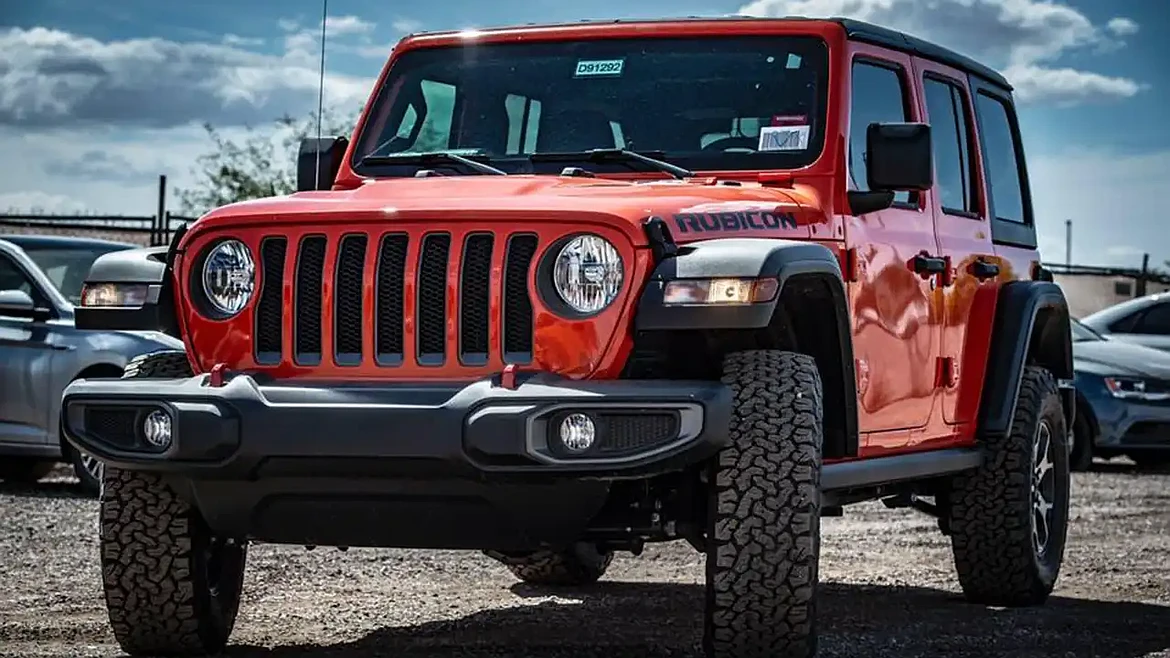
Modern Jeep owners are bypassing dealerships because independent retailers offer lower prices, faster availability, and a broader selection, including aftermarket upgrades that dealer service desks rarely stock. For any jeep owner whose vehicle is out of warranty, the case for going elsewhere is clear.
According to SEMA's 2025 Market Report, U.S. consumers spent around $52.65 billion accessorizing and modifying their vehicles in 2024, and a growing share of that bypassed dealerships entirely. Jeep owners sit at the center of this shift. Armed with online price comparison tools and active in tight-knit enthusiast communities, they know what their parts should cost and where to get them faster.
This article breaks down exactly why and what it means for your approach to cost-effective Jeep replacements.
Why Are Jeep Owners Turning Away from Dealerships?
Online OEM resellers and independent retailers offer cost-effective Jeep replacements at prices noticeably lower than what a dealer service counter quotes. The difference can, in fact, reach hundreds of dollars on parts like suspension components, brake hardware, or axle assemblies, and that gap makes the comparison hard to ignore for budget-conscious owners.
Availability is, frankly, just as significant a concern for most. Dealers regularly place parts on backorder, sometimes for weeks with no guaranteed delivery date. Common parts like engine mounts, body seals, and electronic sensors frequently fall into that backorder category.
Independent suppliers often carry the same components in stock and ship them the next day.
Dealership Frustrations and the Jeep Owner Community
Avoiding Jeep dealerships starts to make practical sense once post-warranty owners weigh the full service experience. High labor rates, long appointment wait times, and rigid repair processes are very common complaints from owners who have moved past their factory coverage. For owners who do their own work or use independent mechanics, these barriers are straightforward to sidestep.
Jeep enthusiast communities naturally speed this shift along. Owners active in forums and social media groups get direct recommendations for trusted mechanics and specialty shops with hands-on experience on specific Jeep models. Peer advice in these communities tends to be practical and direct.
What Do Independent Retailers Offer That Dealerships Don't?
Jeep parts alternatives go well beyond basic replacements. Specialty retailers and online suppliers, for instance, stock performance components, off-road gear, and model-specific upgrades that dealer service departments rarely carry. These options give owners more control over what goes into their vehicle and how much they spend.
Affordable Jeep upgrades, such as lift kits, heavy-duty skid plates, and recovery equipment, are primarily available through the aftermarket. Independent shops specializing in off-road builds typically carry deeper product knowledge on specific Jeep models than a standard dealer service team provides. A local specialty shop focused on Jeep builds often knows your model well enough to catch problems that a general mechanic might miss.
Sourcing original equipment manufacturer parts away from the dealership is, honestly, straightforward. Many owners check these Jeep OEM used parts and new listings on third-party platforms before calling a dealer. The same Mopar-branded components that a dealer sells are quite often available online for less, with faster shipping.
The convenience factor is, really, hard to overlook. Many owners buy online and have parts shipped directly to their home or to an independent installer, skipping the dealer appointment process entirely. That kind of flexibility keeps the repair timeline in the owner's hands.
A little due diligence goes a long way before buying from an independent source, however. These are the key things to confirm before placing an order:
- Fitment data verified for your Jeep's specific year, make, and trim level
- Retailer return and warranty policies are clearly listed on the product page
- Customer ratings specific to your vehicle model and part number
- Brand reputation in Jeep forums or owner groups for that part category
Who Benefits Most and When Should You Still Visit a Dealer?
Modern Jeep maintenance looks seemingly different depending on the type of owner. DIY enthusiasts, regular off-road users, and owners of older, out-of-warranty models are the ones most likely to skip the dealership entirely. These groups tend to prioritize speed, cost, and access to specialty parts, all things the aftermarket delivers reliably.
The dealer still makes sense for certain situations, of course. Warranty-covered repairs, manufacturer recalls, and complex diagnostics tied to newer model software all require a dealer visit. For complex warranty claims, the dealer's certified diagnostic equipment is something most independent shops simply don't carry.
Many owners actually split their approach, using independent sources for everyday parts and upgrades, then heading to the dealer only for covered work. It's a practical way to get the best of both options without locking yourself into one source for every situation.
Frequently Asked Questions
Will Using Aftermarket Parts Void My Jeep's Warranty?
Under the Magnuson-Moss Warranty Act, a manufacturer cannot void your warranty simply for using an aftermarket part. The manufacturer must show clearly that the aftermarket part directly caused the specific problem needing repair.
Keeping receipts and installation records for every part you add is your best protection, and the burden of proof sits with the manufacturer, not you.
Are All Aftermarket Jeep Parts Created Equal?
Quality varies significantly across brands and product types, so research matters before you buy. Safety-critical components like brakes, steering parts, and suspension pieces require extra attention. Reputable brands with strong reviews in Jeep-specific communities are typically a reliable starting point, and checking model-specific forums before ordering can save a costly return.
Can I Use an Independent Mechanic Without Affecting My Dealer Relationship?
You have the right to use any mechanic for repairs outside of warranty-covered work. Independent shops familiar with Jeep platforms are widely available, and many specialize in 4x4 and off-road vehicles.
The Smarter Way to Source Your Jeep Parts
The shift away from dealerships comes down to real, practical advantages: lower prices, faster turnaround, a wider parts selection, and the trust of a knowledgeable enthusiast community. For any jeep owner approaching their next repair or upgrade, the independent market delivers on all three fronts.
Dealerships still hold ground for warranty-covered work and complex diagnostics, but for everything else, the aftermarket wins on both value and convenience. Understanding where each option fits in your ownership approach saves time and money on every job. Explore our website to find more cost-effective alternatives for your Jeep and start sourcing smarter today.
This article was prepared by an independent contributor which helps us continue delivering quality content to our audiences.