
Keep your lawn in shape this summer
JOEL MARTIN | Hagadone News Network | UPDATED 4 months, 3 weeks AGO
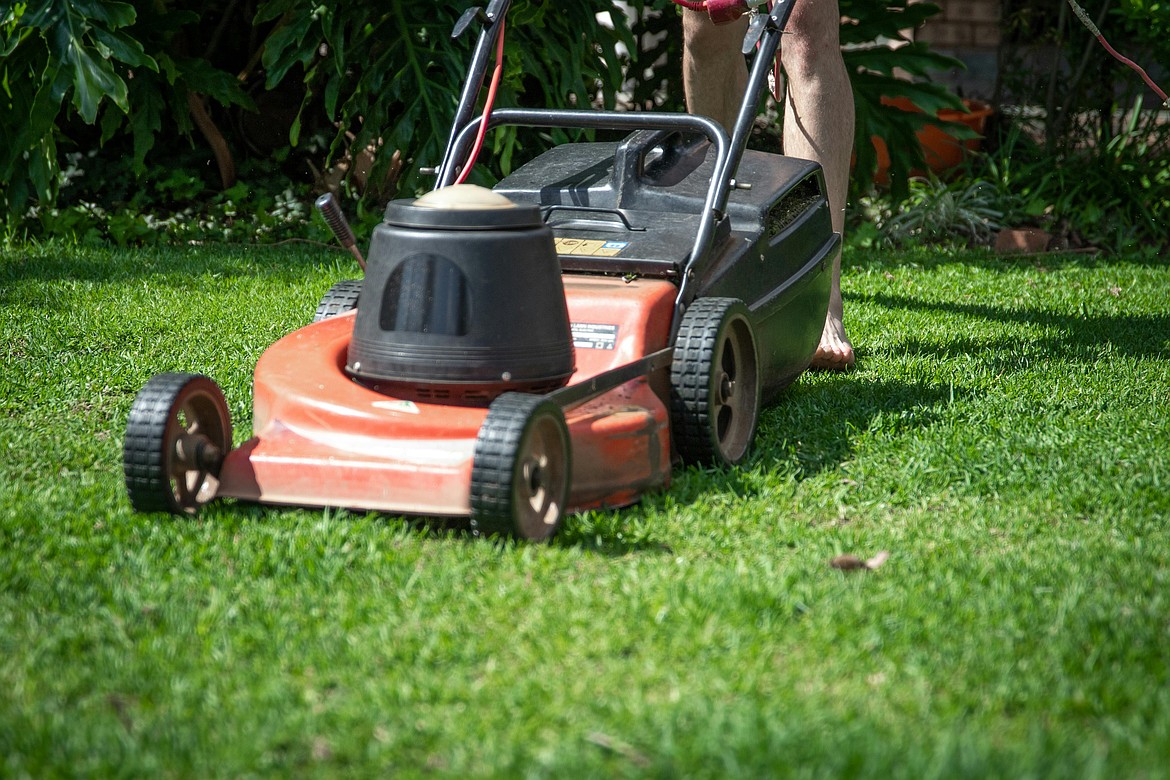
With summer coming on, lots of homeowners will be getting their lawns into shape.
COURTESY PHOTO/MAGDA EHLERS/PEXELS
Joel Martin has been with the Columbia Basin Herald for more than 25 years in a variety of roles and is the most-tenured employee in the building. Martin is a married father of eight and enjoys spending time with his children and his wife, Christina. He is passionate about the paper’s mission of informing the people of the Columbia Basin because he knows it is important to record the history of the communities the publication serves. | May 22, 2026 3:00 AM
MOSES LAKE — It’s getting warmer, and that means it’s time to take a good look at the lawn and get it ready to enjoy.
A major consideration in the Basin will be watering. With the limited water supply, a homeowner needs to get the most out of what water is available. Overwatering causes soggy conditions that encourage weeds, starve the grass roots of oxygen and leach out plant nutrients, according to Washington State University Extension. On the other hand, watering lightly and frequently encourages shallow roots on the grass, which makes it less able to withstand sudden changes in temperature or moisture.
Dig a little way into your soil and see if the top two inches are dry and crumbly. If they are, irrigate to 12 inches deep, assuming your soil is that deep.
The best time to water is in the early hours of the morning, around 4 a.m., according to the WSU Extension. If that’s too early, make it late at night instead, around 11 p.m.
Most cities and towns don’t have specific restrictions on when lawns may be watered, but Moses Lake does. Moses Lake homeowners with odd-numbered addresses can water at night or early in the morning Wednesday, Friday and Sunday, while even numbered homes water Tuesday, Thursday and Saturday, according to the Moses Lake Municipal Code. No watering is allowed on Mondays, or between 10 a.m. and 7 p.m.
Along with watering, lawns need to be mowed regularly. Mower blades should be kept sharp, according to the WSU Extension; a dull mower blade can cause the ends of the grass to be ragged and give the lawn an off-color look. Set the mower blade 1.5-2 inches high. If you want to cut shorter, do it gradually, moving the blade down no more than half an inch per mowing.
Fertilizer is an important consideration for maintaining a lawn. Lawns on the West Side need a mixture of fertilizers, but here in eastern Washington, we only need nitrogen, according to the WSU Extension. A good measurement is four pounds per 1,000 square feet per year, split up into four applications through the year. The Extension recommends applying nitrogen Nov. 1–15, May 1, June 15, and Sept. 1.
Of course, a lawn doesn’t have to be just grass. A paving-stone walkway can make the yard look cozier and create an easy walkway, but it’s important to be careful where those stones go, according to the gardening website Lawnstarter.com. Take a walk through the yard after a rainstorm or a good, thorough watering and see where puddles are forming. Those are exactly where you don’t want to put pavers. Another common mistake is simply laying out the stones on top of the dirt with no preparation. The soil will shift under them and leave them uneven. Take the time to compact the soil and add a gravel foundation under your walkway.
Finally, consider replacing some of the green grass with natural plants that need less water. The Columbia Basin Conservation District’s Heritage Garden Project has helped homeowners in the Basin design attractive, sustainable yards. The CBCD has experts who will come to your home and help plan out the yard and garden, and give tips for maintaining it. More information can be found at www.columbiabasincd.org.
ARTICLES BY JOEL MARTIN

Endless battle
Noxious Weed Control Board works to keep invasive plants under control
MOSES LAKE — Some of the nastiest plants in Grant County were the topic of a class led by Jay Johnson, a consultant with the Grant County Noxious Weed Control Board, Tuesday. The Noxious Weed Control Board, as its name would suggest, is tasked with keeping weeds under control in Grant County. That’s not a small job; the board’s website lists 129 species of noxious weeds that are found around Grant County. A noxious weed is defined as an invasive, non-native plant that threatens agricultural crops, local ecosystems or fish and wildlife habitat, according to the Noxious Weed Control Board. Washington state law requires that these weeds be identified and their spread kept to a minimum, if not completely eradicated. “We’re one of those agencies a lot of people don’t really understand,” Johnson said. “We’re a county office and … our funding is tax-based assessment. When you get your tax bill and you look down at all the expenses that you pay for, there we are.”

BASIN EVENTS: Oct. 16-24
COLUMBIA BASIN — Whether you feel like shopping, crafting, learning or seeing a show, there’s something happening for you this week in the Basin. Oct. 16 ‘My Family (Mi Familia)’ screening Spanning three generations, “My Family (Mi Familia)” is a heartfelt drama that follows the Sánchez family as they build their lives in East Los Angeles. Through love, hardship, triumph, and sacrifice, the film explores the immigrant experience, the strength of family bonds, and the traditions that connect one generation to the next. Lowrider show and taco truck before the screening. Sponsored by Columbia Basin Allied Arts, EDUBS C/S and the Moses Lake Creative District. $12 per person. Doors open at 6 p.m., film begins at 7 p.m. at the Moses Lake Civic Center Auditorium, 401 S. Balsam St. Tickets and info: www.cba-arts.org.

Moses Lake author encourages women to look beyond church culture norms
MOSES LAKE — A Moses Lake author’s book, “A Christian Woman Striving to Live Her Faith in a Man-Controlled World,” takes aim at the role to which many churches relegate the female half of their congregations. “It’s to encourage women in the faith,” Linda Curran said. “A lot of churches say, ‘Teach Sunday school, do this, do that, but don’t (evangelize.)’" In her book, Curran recounts a time when she moved to a new community and joined a church there. She was surprised to learn that, as a new female member, she had been automatically assigned church cleaning duties. When she questioned it, she wrote, she was met with condescension and her objections were brushed aside. In other churches, she said, women who were capable of teaching were relegated to “women’s ministry.”