
Why lead times have become one of the biggest concerns in industrial manufacturing
Amy Kang | Coeur d'Alene Press | UPDATED 4 months, 1 week AGO
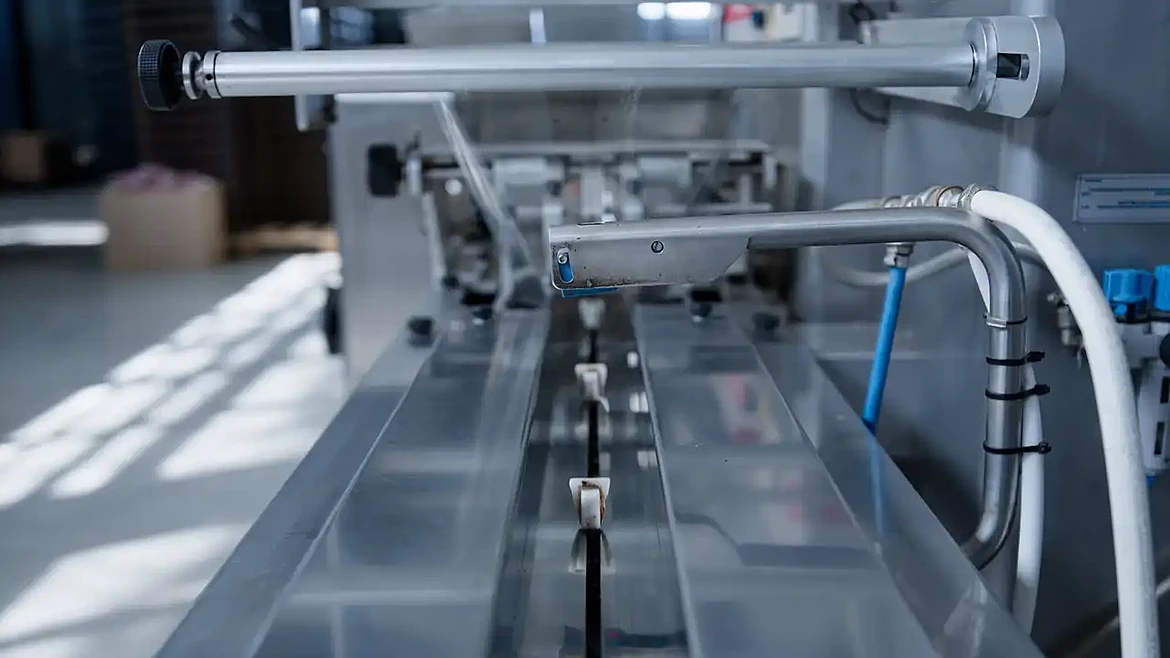
Lead times are becoming a major concern in industrial manufacturing because every delay costs you money, your customers, and your competitive edge. Unplanned downtime, supply chain issues, and labor shortages can stretch your delivery windows from days to months. If you want to win, you have to find ways to shorten lead times without losing the quality of your offerings.
As per iFactory AI, more than 82% of manufacturing companies have faced unplanned downtime in the past three years, with many incidents lasting for about four hours. While four hours may sound small, it can mean production delays, missed shipments, angry customers, and broken contracts for your business.
As a result, lead times matter a lot right now. To succeed in your industry, you have to find ways to reduce these disruptions. It's one way you can shorten your lead times and protect your business.
What Is Lead Time?
Lead time is the total time it takes for a certain process to complete from start to finish. If you're tracking your lead time, you should measure the time between the beginning of a task and its end. In industrial manufacturing, the lead time refers to the period between receiving a customer order and delivering the finished product.
Here are instances that make up your lead time:
- Order processing time
- Production time
- Transportation time
- Receiving and inspection time
- Internal processing time
These different times can create a lot of variance in what it takes to complete your orders. You have to know the complete process and the time elapsed for every stage if you want to optimize your business outcomes.
What Are the Different Types of Lead Times?
Knowing the different lead times can help you set expectations in manufacturing processes. Here are the types of lead times you can expect:
Customer Lead Time
Customer lead time is the duration between when a customer makes an order and when they receive what they ordered. It involves:
- Order confirmation
- Production
- Shipping
- Delivery
Material Lead Time
The material lead time is the duration between when your company knows that they need certain raw materials and when they get the materials. Inventory management systems will alert your company when there are fewer materials and when orders are processed.
Production Lead Time
Once your company gets the materials, the production lead time starts. The duration is between when your company has all the needed resources to manufacture a product and when it completes the manufacturing process. You can internally manage this lead time, dealing with factors such as labor, PPE availability, and equipment efficiency.
Cumulative Lead Time
The lead times above can be added to create a fourth lead time, cumulative lead times. You can measure this to get a holistic view of how long it takes to complete an order, all factors considered.
Why Does Short Lead Time Matter in Industrial Manufacturing?
PR Newswire reports that your company may lose $15,000 per minute because of downtime. If you want to avoid these losses, your major concern should be reducing lead times. Here is why this is a necessary step for your company:
Make Your Customers Happy
Your manufacturing company should always strive to satisfy its customers. When a customer places an order, they expect fast, efficient delivery. Partnering with a trusted Oklahoma Investment Casting partner means you can deliver customer orders on time and improve their buying experience.
Reduces Obsolescence
If you have longer lead times, your goods are likely to become useless. Customers may not want it anymore. When your goods have a short turnaround window, your business runs a smaller risk of the product losing its demand.
Lower Labor Costs
When your company focuses on reviewing its internal manufacturing processes, you can reduce inefficiencies. As a result, you can eliminate needless labor hours. This process lowers your costs and helps you to efficiently use your employees.
Get More Orders
Customers hate to wait. If your company offers shorter lead times, you may get more orders compared to other companies with longer lead times.
Make Capital Deployment Efficient
If your cash is tied to the raw materials, you must wait for it to get processed into a finished good and sell it before you get your money back. The longer this process takes, the longer your business stays without capital that you can use to expand your operations.
Frequently Asked Questions
How Can You Calculate the Lead Time in Industrial Manufacturing?
Calculating lead time involves adding the following times:
- Pre-processing
- Processing
- Post-processing
If you deal with manufacturing, pre-processing time involves the sourcing of raw materials and their delivery to the plant. The processing time is when you start manufacturing. Lastly, post-processing time involves the time you process the order and deliver the final goods to your customer.
What Causes Long Lead Times?
You should know what operational challenges delay your lead time. It gives you a chance to identify areas for improvement. Some things that increase your lead time include:
- Inventory mismanagement
- Wasteful internal processes
- Complex approval workflows
- Bottlenecks in your production
- Poor supplier performance
While manufacturing and distribution can be hard, your business can take steps to reduce lead time. Automating your order intake and approval processes can reduce some of these delays.
How Can You Manage Lead Time in Supply Chain Management?
You can manage lead time in supply internal operations by streamlining internal operations. Make sure you automate your processes. Use enterprise resource planning (ERP) or procure-to-pay platforms to:
- Reduce manual paperwork
- Speed up order approvals
- Reduce data entry errors
Additionally, you can implement the Value Stream Mapping (VSM). It will help your company identify and reduce production bottlenecks. You can also lower the number of components needed to manufacture your product, making assembly quick and less likely to face delays.
Boost Your Industrial Efficiency and Shorten Your Lead Times
If you want to improve your industrial manufacturing efficiency and the competitiveness of your supply chain, you must start thinking about shortening your lead times. This step will help you make your customers happy, boosting your reputation in the industry.
To get more tips on how to gain a competitive advantage in your industry, subscribe to our newsletter.
This article was prepared by an independent contributor which helps us continue delivering quality content to our audiences.