
Integrated pest management harnesses basic bug biology, new tech
CHERYL SCHWEIZER | Hagadone News Network | UPDATED 3 months, 1 week AGO
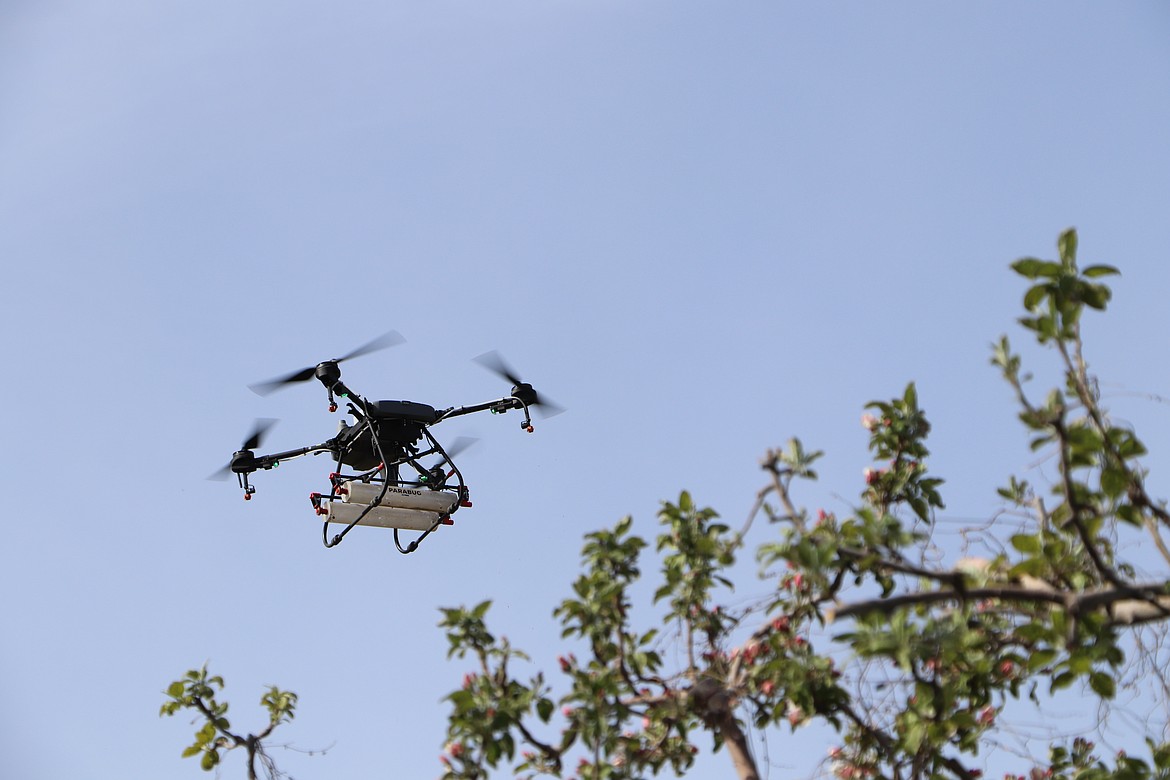
A drone releases lacewings over an orchard. Research into integrated pest management over the last few decades has focused on using techniques and technology that increase effectiveness.
COURTESY PHOTO/WASHINGTON STATE UNIVERSITY EXTENSION
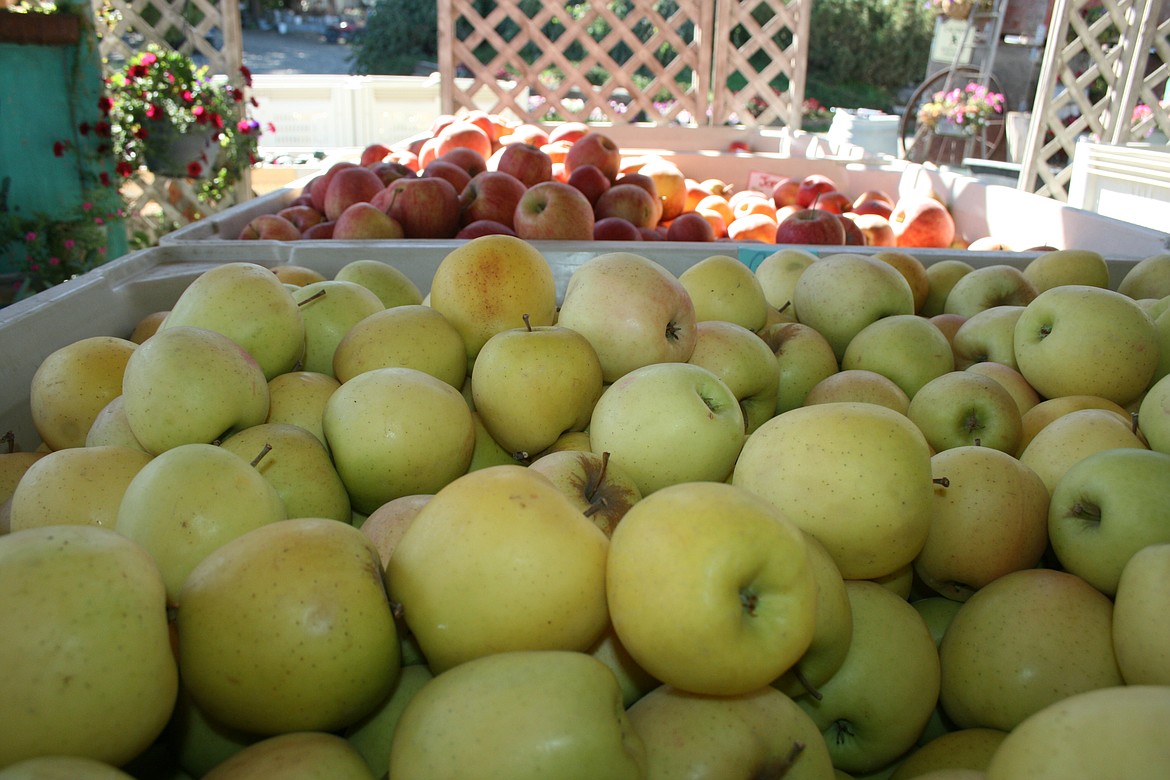
Integrated pest management techniques are designed, among many other things, to help growers and farmers of all crops reduce costs.
FILE PHOTO
Senior Reporter Cheryl Schweizer is a journalist with more than 30 years of experience serving small communities in the Pacific Northwest. She began her post-high-school education at Treasure Valley Community College and enerned her journalism degree at Oregon State University. After working for multiple publications, she has settled down at the Columbia Basin Herald and has been a staple of the newsroom for more than a decade. Schweizer’s dedication to her communities and profession has earned her the nickname “The Baroness of Bylines.” She covers a variety of beats including health, business and various municipalities. | May 29, 2026 4:26 PM
The premise of integrated pest management is basic biology – bugs can, and often do, build immunity to pesticides, but they are never immune to other bugs.
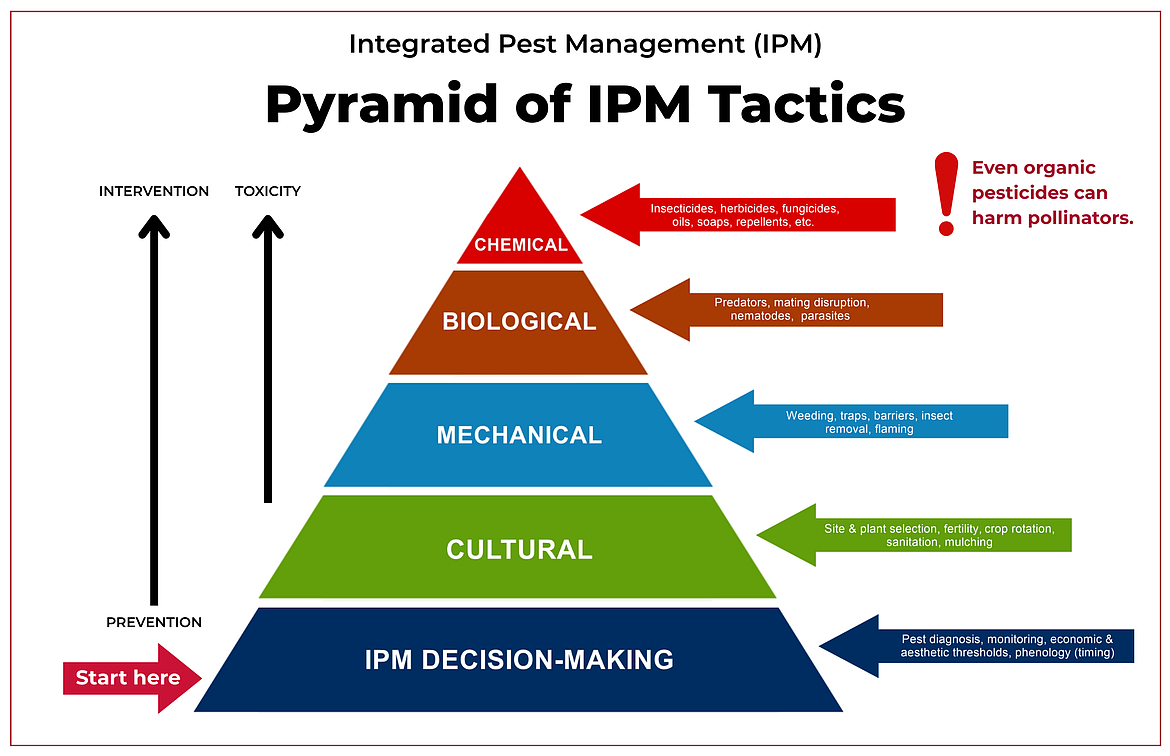
“Integrated pest management has a number of pillars, including using the biology of the insects, using cultural controls, using mating disruption, as well as selective insecticides. Currently, IPM in orchards allows us to reduce our use of broad-spectrum insecticides and encourage natural enemies in the orchard, as well as just improve the success of pest management,” said Tianna DuPont, tree fruit extension specialist for Washington State University Extension in Wenatchee.
Nor is it only tree fruit.
“It’s in everything,” said Steve Norberg, WSU regional forage specialist.
Farmers and growers use IPM because they don’t want a system where pests become resistant to most – if not all – alternatives, he said.
A clinic demonstrating some of the latest IPM research for tree fruits is scheduled for June 24 at three North Central Washington orchards, including one near Royal City. Participants will learn about the results of a three-year trial using lacewings to control mealy bugs and aphids.
Researchers experimented with using drones to release lacewings.
“The focus of this project that we’re really excited about is new technology. We’re focusing on the release of beneficial organisms,” DuPont said. “Biological control in tree fruit has been limited to conservation biological control, where we’re using selective chemistries so that we can encourage those beneficial organisms in the orchard. Biological control with releases has generally been mostly used in the greenhouse environment, but research from this project is going to allow growers to avoid spending money on releases that don’t work, as well as to incorporate releases at those appropriate rates, appropriate timings, so that they can be effective.”
Using biology to boost the crop and protect it from pests has always been part of farming. Research over the past 30 to 40 years has focused on refining those techniques.
“Over the past 30 years, our knowledge of pests and trees and their biology and how to use that information for effective management has increased,” DuPont said. “We’re able to use an information intensive management strategy that allows us to be more effective and. in some cases, reduce chemical inputs.”
That research has had significant impacts on the way orchards are operated.
“I would say IPM is generally the standard in apple orchards. Currently, growers are using a combination of mating disruption, cultural controls as well as selective chemical controls that enhance our conservation biological control,” DuPont said.
Cultural control focuses on orchard management.
“For example, if you want to have good spray coverage, you need to prune really well so that you have good coverage of those sprays and they can reach into the canopy. So pruning is a cultural control where we’re (managing) the culture of the trees,” DuPont said. “Nitrogen management is a cultural control, which also is going to affect the vigor of the trees, which affects the pests as well. Suckering – in pears we will actually physically remove suckers as one of our management tactics. Things that are physically managing the trees and affecting the horticulture of the trees and how that affects the insects.”
Profitability has become a bigger challenge with inflation over the last few years, and one of the goals of IPM is to help growers and farmers control costs.
“It’s adding another tool to the pest management toolbox and helping reduce damage from insects, as well as hopefully increase grower profitability, which is really important in the current economic climate,” DuPont said.
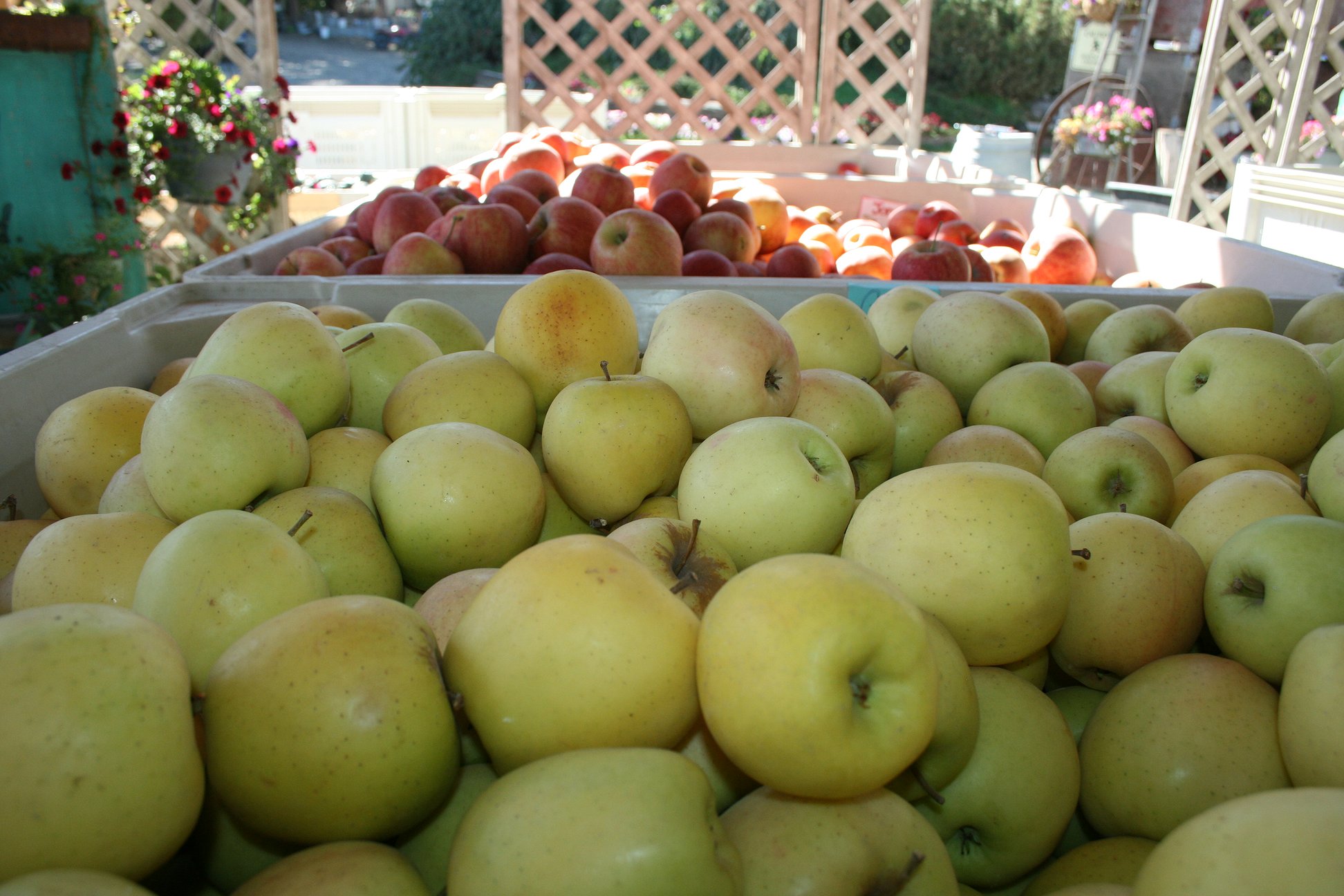 Integrated pest management techniques are designed, among many other things, to help growers and farmers of all crops reduce costs.
FILE PHOTO
ARTICLES BY CHERYL SCHWEIZER
Road projects on hold for Labor Day weekend
MOSES LAKE — With Labor Day weekend dead ahead, drivers will be able to move freely about the state. Most road projects are on hold for the holiday weekend. Nobody will be working on the Hansen Road overpass on Interstate 90, but the lane restrictions that are in effect will continue through the end of the project.

Cost estimates for water source alternatives given to Moses Lake City Council
Protected under the U.S. Endangered Species Act, efforts are ongoing to keep it self-sufficient
MOSES LAKE — It’s going to cost a lot of money to provide alternative water sources for the city of Moses Lake, but some of the possible alternatives will cost more than others. City officials provided the Moses Lake City Council with costs for various alternatives Tuesday.

Dryer vent cleaning is important -- but often overlooked
MOSES LAKE — Not all the maintenance a house needs is visible. Sometimes a potential problem just goes unnoticed until it causes trouble, sometimes serious trouble. But a lot of potential problems give off warning signs. Clothes dryers often do when they need a good cleaning.