
The magic of peonies in the early summer garden
CANDACE GODWIN/Gardening at the Coop | Coeur d'Alene Press | UPDATED 1 month, 1 week AGO

Candace Godwin
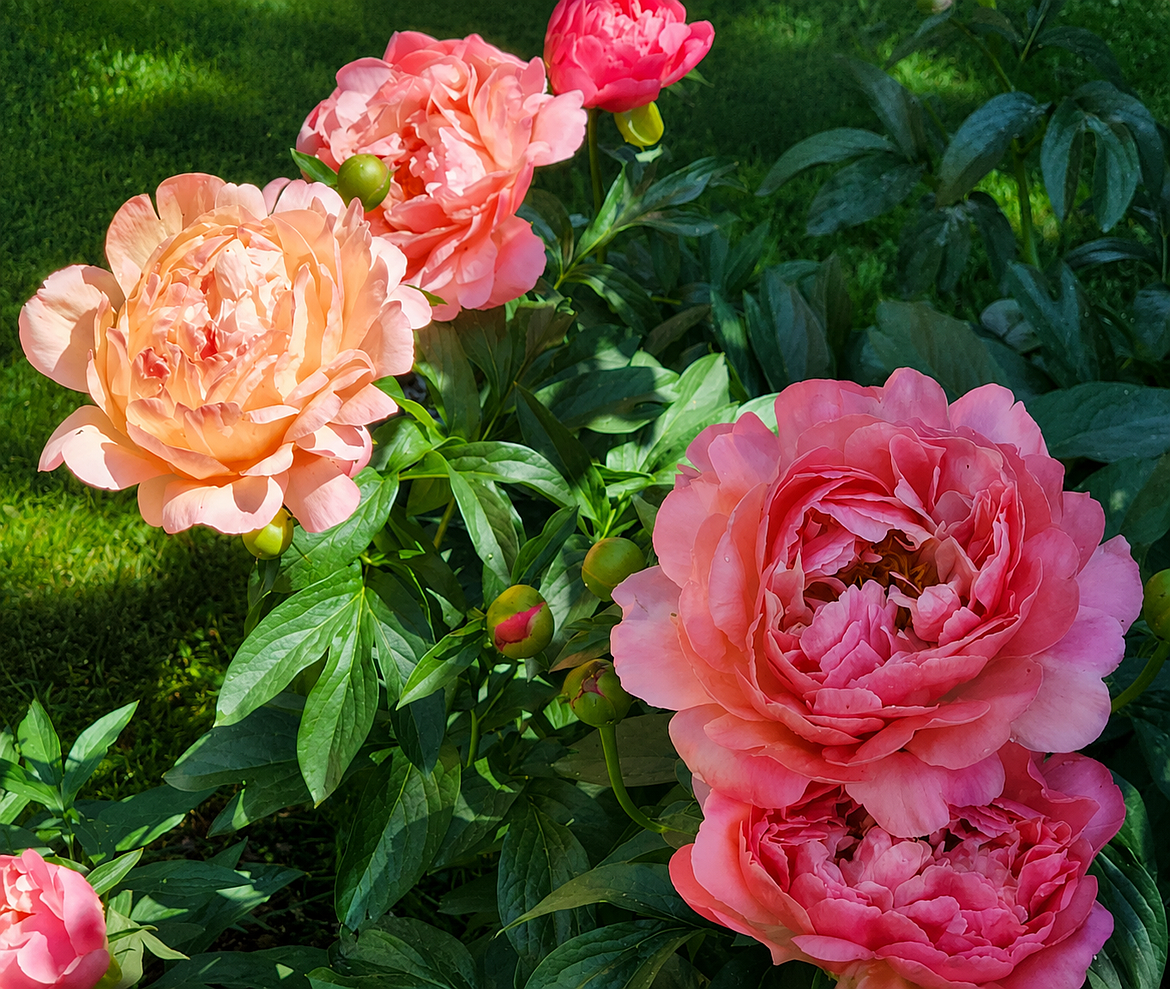
For a flower that blooms for such a short time, these Coral Sunset peonies certainly know how to make a grand entrance.
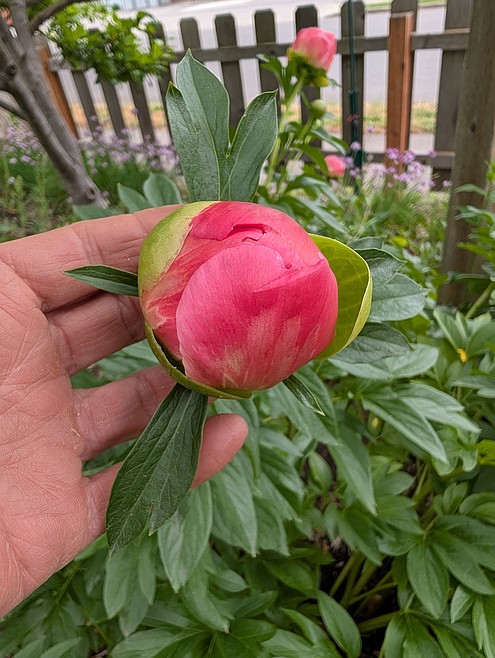
For the longest vase life, cut peony flowers when the buds are still closed, but soft and squishy like a marshmallow.
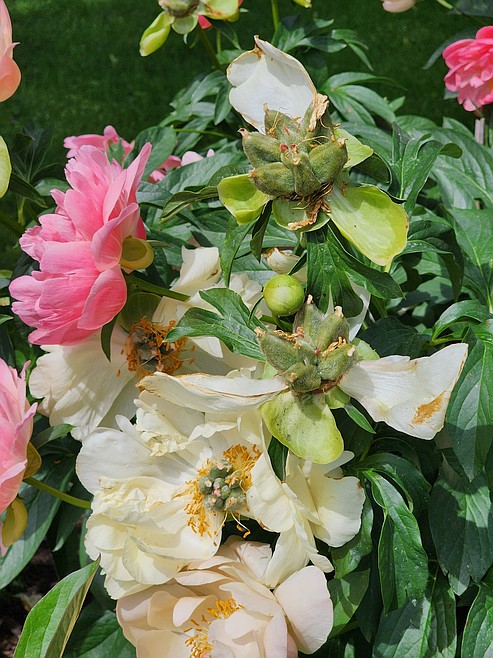
Once blooms begin to fade, remove the spent flowers to prevent seed head formation.
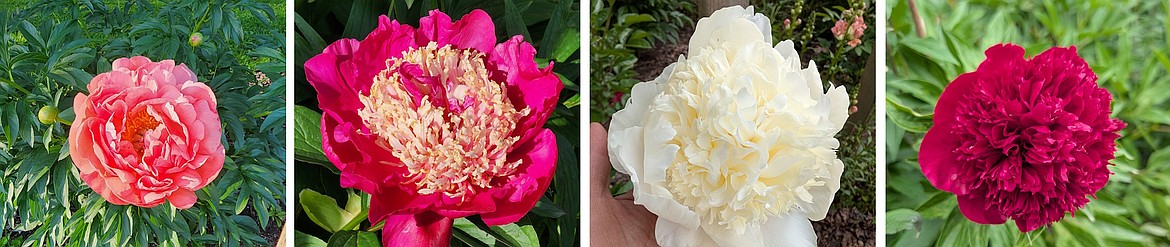
A few of my favorite peonies (from left): Coral Sunset, Tom Cat, Duchesse de Nemours, and Sarah Bernhardt Red.
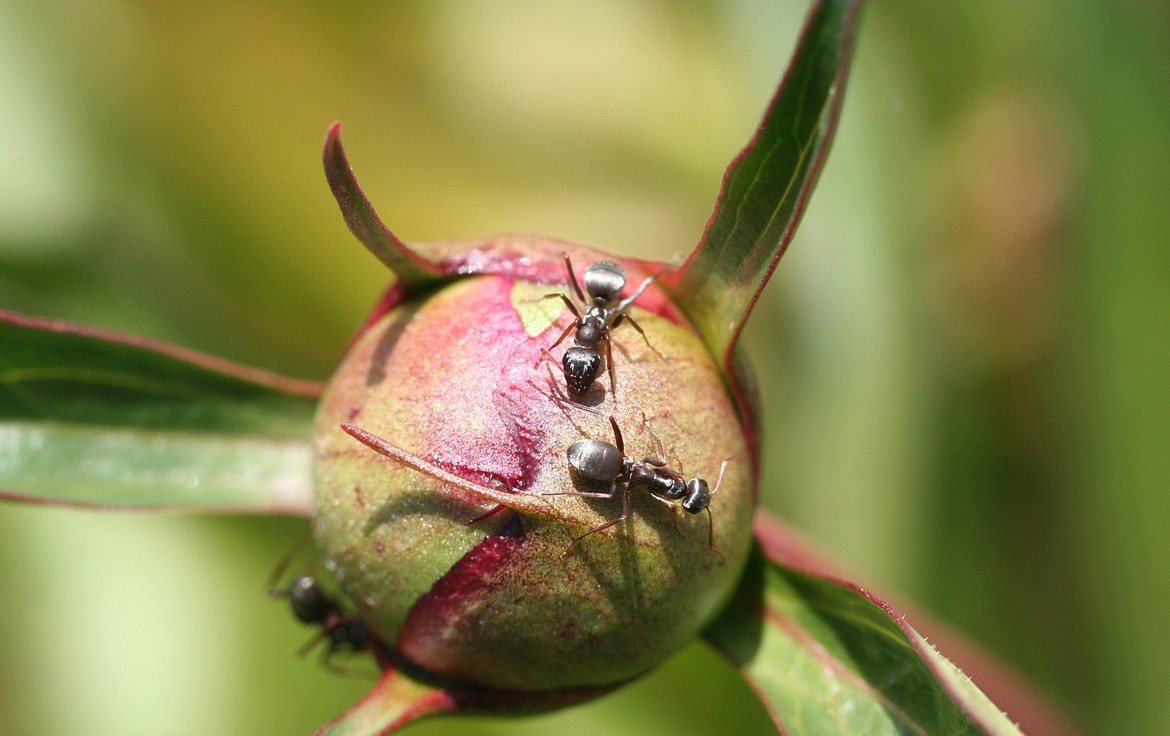
Despite the garden myth, ants do not help peony buds open – they’re only interested in the sweet nectar from the buds and aren’t harmful to the plant.
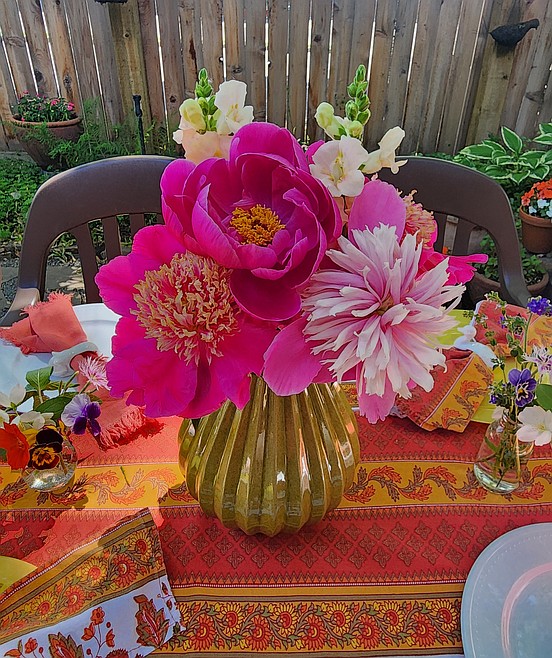
I have a very difficult time cutting my own peony flowers, but for my birthday, I made an exception!
It’s nearly June, and that means two things to me — it’s birthday month (yay!), and my cherished peonies are in bloom. I love growing peonies almost as much as I love growing tomatoes.
Peonies are gardening royalty for their heady fragrance and dramatic bloom size. Yet, their blooms are fleeting, which may explain why some gardeners (me) become emotionally attached to them to a degree that borders on the unreasonable.
Some call them old-fashioned; I call them timeless heirlooms passed through generations.
Peonies are long-lived and surprisingly low-maintenance once established, and they thrive; in fact, they relish the winter chill our 5a-6b zone delivers.
Meet the Peonies
There are three peony varieties based on their growth habits: herbaceous, tree, and intersectional; and many flower types: from elegant singles to romantic doubles to the “bomb” type — huge pom-pom-shaped blooms packed with petals.
• Herbaceous peonies are the most common variety, producing lush, fragrant blooms in late spring and early summer. Herbaceous types die back over winter and thrive in the winter chill our region provides.
• Tree peonies are not trees; they are woody shrubs that do not die back in winter. They often bloom earlier than herbaceous peonies and produce large, dramatic flowers. They grow slowly but become spectacular with age.
• Intersectional or Itoh peonies are hybrids of herbaceous and tree peonies, with a longer bloom period. They have strong stems that support the large flowers they’ve inherited from tree peonies, and they also exhibit the herbaceous trait of dying back in winter.
Over the years, I’ve built quite a collection of peonies (12 and counting), but several varieties have completely stolen my heart.
My favorites are from the “coral” series: Coral Charm, Coral Sunset, and Pink Hawaiian Coral, each with striking blooms that fade from deep coral to shades of peach and cream. Spectacular.
My first peony, Pink Shell, is a delicate single bloom of soft pink. I also love the classic Sarah Bernhardt, with its massive, fragrant blooms, and Tom Cat, a Japanese variety (planted in memory of a beloved feline), with its bold, fragrant carmine-red guard petals surrounding a fluffy, creamy-white center.
Every peony gardener eventually develops favorites—and an inability to walk past a nursery peony display without buying another one!
Planting Peonies Correctly
Peonies are fairly easy to grow and require little maintenance once established. They prefer full sun, though afternoon shade is fine, especially in hot weather. They’re not too picky about soil, as long as it’s well-draining — peonies do not like “wet feet.”
The biggest mistake gardeners make when planting peonies is planting them too deeply. The “eyes” (the small, pink or white growth buds on the top of the root system) or the plant’s crown should be only one to two inches below the soil surface — yes, that shallow.
When peonies are planted too deeply, they produce lovely foliage but no flowers. If you’re experiencing this, you can dig them up and replant them so the crown is no more than a few inches below the soil.
The ideal time to plant peonies is in September or October, as the plants prepare for dormancy. The soil is still warm, allowing the roots to establish before winter dormancy. Spring planting is possible, but the plant may take longer to establish and may skip a year before blooming.
Peonies can grow large and need at least 3 to 4 feet of space between plants — up to 5 feet for tree varieties. This spacing provides room for roots and improves airflow, helping prevent fungal disease.
Heavy-blooming varieties often require support or staking, especially in wet or windy conditions. Peony cages or supports will keep large blooms upright and off the ground.
The Care & Feeding of Peonies
Here’s another thing to love about peonies — they are very low-maintenance and don’t require heavy fertilizer applications.
Well-draining soil enriched with organic compost and a bit of organic, slow-release, low-nitrogen, high-phosphorus, high-potassium fertilizer (5-10-10) is all that is needed. Avoid high-nitrogen fertilizers, as you’ll end up with lots of green foliage and few blooms.
If your soil is healthy and well-amended, fertilizing may not be necessary, but a light feeding in early spring, when shoots begin to emerge, and again after blooming, can help keep the plants vigorous.
Cutting Peonies for Bouquets
This is me: a garden full of peonies — and also me: buying peony bouquets at the Farmer’s Market because I can’t bring myself to cut my own.
If your resolve is stronger than mine, the best time to cut your blooms is when the buds are at the “marshmallow” stage — soft and slightly squishy, not yet fully open. Cutting at this stage will give you longer vase life.
Here’s a pro tip to extend your blooms even further — store them in the refrigerator. Buds at the marshmallow stage can be stored there for up to two months.
Remove all but a few leaves, then wrap the stems completely, from the stem to the bud, in dry newspaper or brown craft paper. Place the wrapped bundle in a loosely tied plastic bag, then lay it on its side in the refrigerator.
When you’re ready for peony blooms later in the summer, bring them out, pop them in a vase, and enjoy!
A quick word on peonies and ants… this is totally normal and nothing to worry about. Ants do not help the blooms open; they’re just there for the sweet nectar in peony buds. They’re not harmful to you, the blooms, or the plant.
What To Do Post-Bloom
Once blooms begin to fade, remove the spent flowers to prevent seed head formation. This allows the plant to redirect energy to the roots rather than to seed production.
Remove flowers at least 8 inches below the bloom, just above a leaf node. Leave the foliage intact, as it continues to feed the plant and next year’s flowers, except for any diseased or damaged leaves.
If your plant is dense with foliage, you can remove a few leaves to improve airflow. Keep your peony well-watered, especially during hot, dry summers.
Fall & Winter Care
Peonies don’t require much care going into fall and winter. After a hard frost, cut the foliage of herbaceous and Itoh peonies to the ground and discard it to prevent overwintering disease. Tree peonies should not be cut back.
Provide a thin layer of mulch around newly planted peonies for the first winter, but be careful not to bury the plant crowns.
Peonies require a winter chill — about 6 weeks of temperatures between 32°F and 40°F – to break winter dormancy. This chilling period sends a chemical signal to the plant to grow in spring, ensuring abundant blooms and healthy plants.
Fortunately, that isn’t an issue in our region, but those in warmer growing zones (8 or higher) may have difficulty getting plants to bloom.
Hello, Fleeting Beauties
Peonies hold a special place in my heart and garden. When it comes to the full perennial package, they’re hard to beat: low-maintenance, long-lived, fragrant, and stunningly beautiful.
Their blooms arrive in a dramatic burst of color and fragrance, linger briefly, and then disappear almost overnight. Perhaps that’s the secret to their charm — they never overstay their welcome.
Peonies don’t bloom all summer long. They bloom just long enough to remind us to slow down, admire them, and maybe — just maybe — cut a few stems for the table rather than guard them like a floral treasure.
By the time the last petals fall, we’re already looking forward to next June.
• • •
Candace Godwin is a certified Idaho Master Gardener, garden consultant, writer, and owner of The Coeur d’Alene Coop (thecoeurdalenecoop.com), a licensed nursery offering seasonal online plant sales.
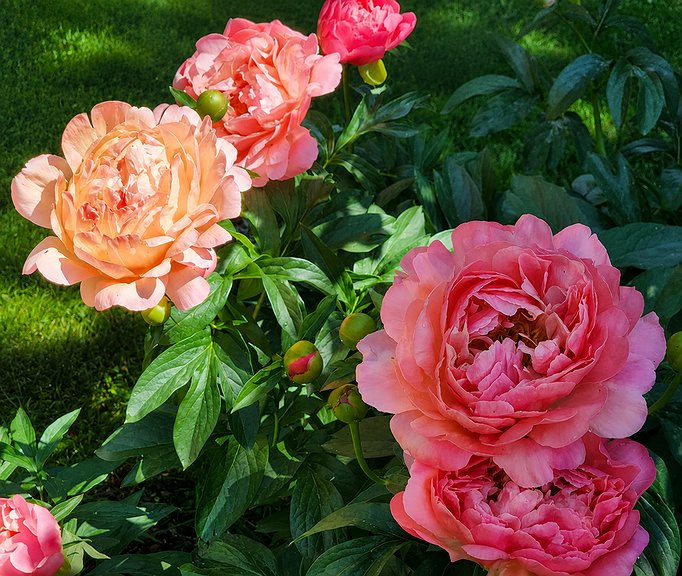 For a flower that blooms for such a short time, these Coral Sunset peonies certainly know how to make a grand entrance.
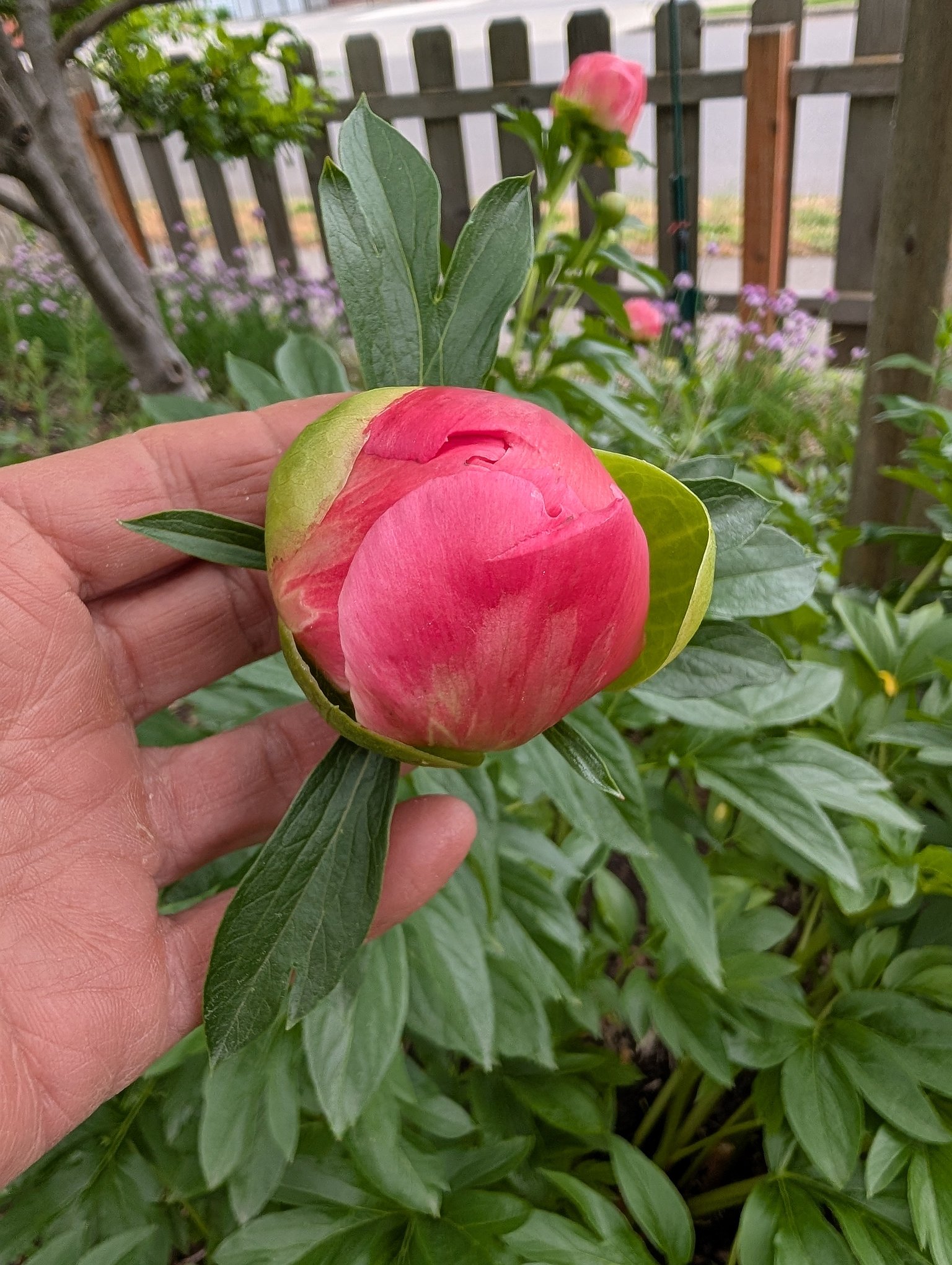 For the longest vase life, cut peony flowers when the buds are still closed, but soft and squishy like a marshmallow.
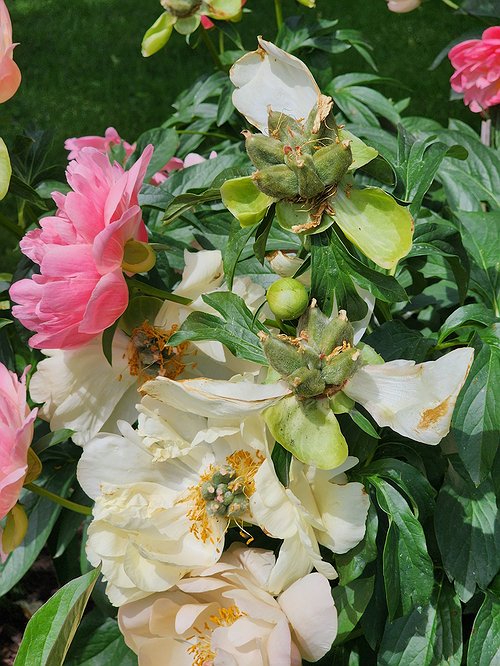 Once blooms begin to fade, remove the spent flowers to prevent seed head formation.
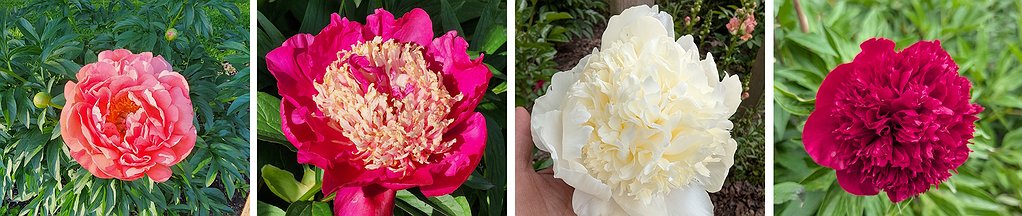 A few of my favorite peonies (from left): Coral Sunset, Tom Cat, Duchesse de Nemours, and Sarah Bernhardt Red.
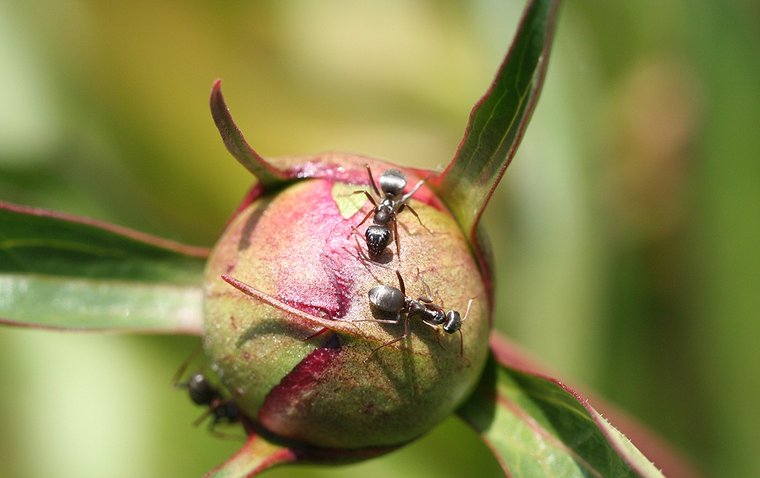 Despite the garden myth, ants do not help peony buds open – they’re only interested in the sweet nectar from the buds and aren’t harmful to the plant.
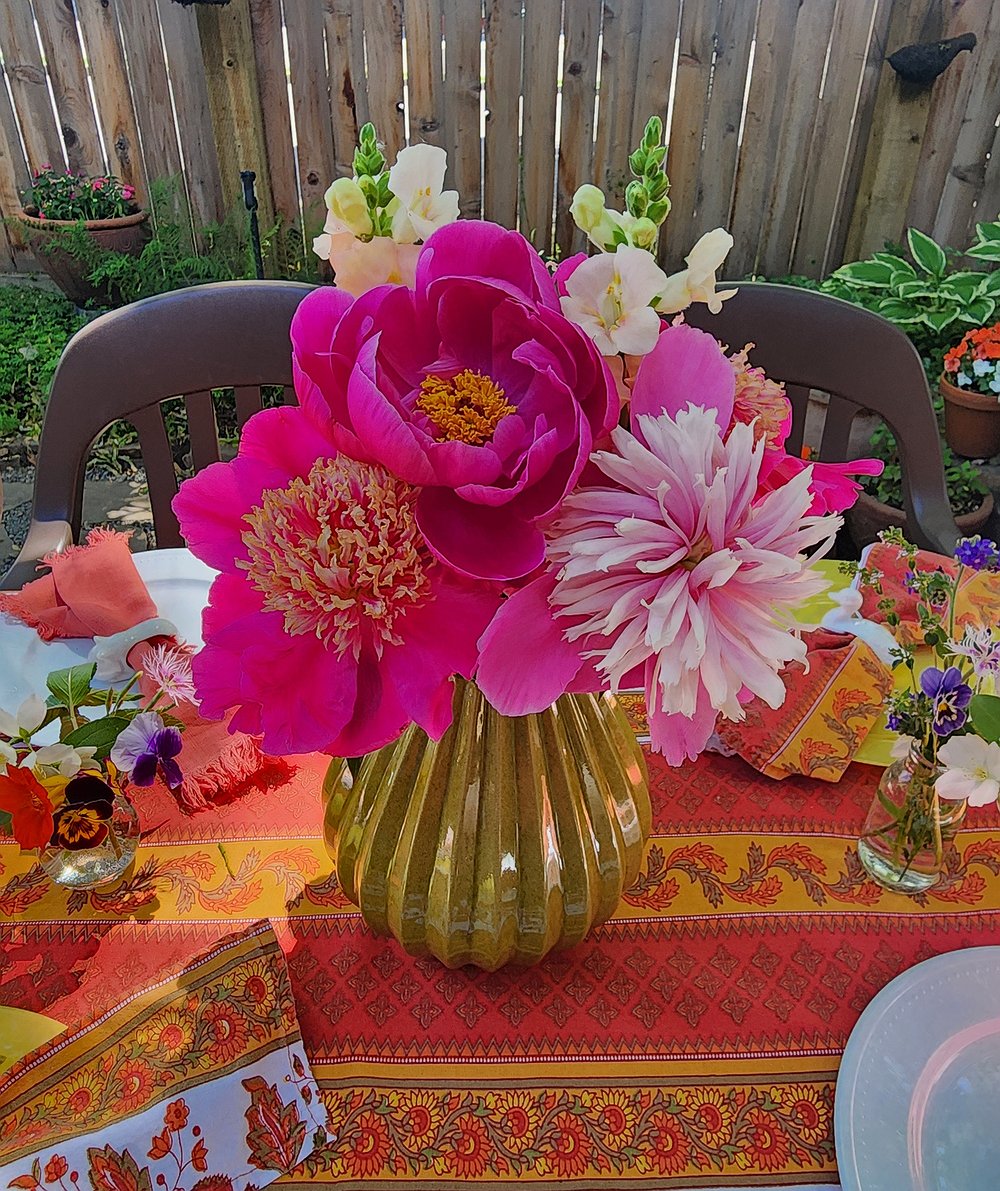 I have a very difficult time cutting my own peony flowers, but for my birthday, I made an exception!